Brick NFC device introduces physical friction to smartphone screen time limits
Co-founders Zach Nasgowitz and TJ Driver say the $59 gadget is designed to reclaim user agency and reduce reliance on willpower in an era of digital fatigue.
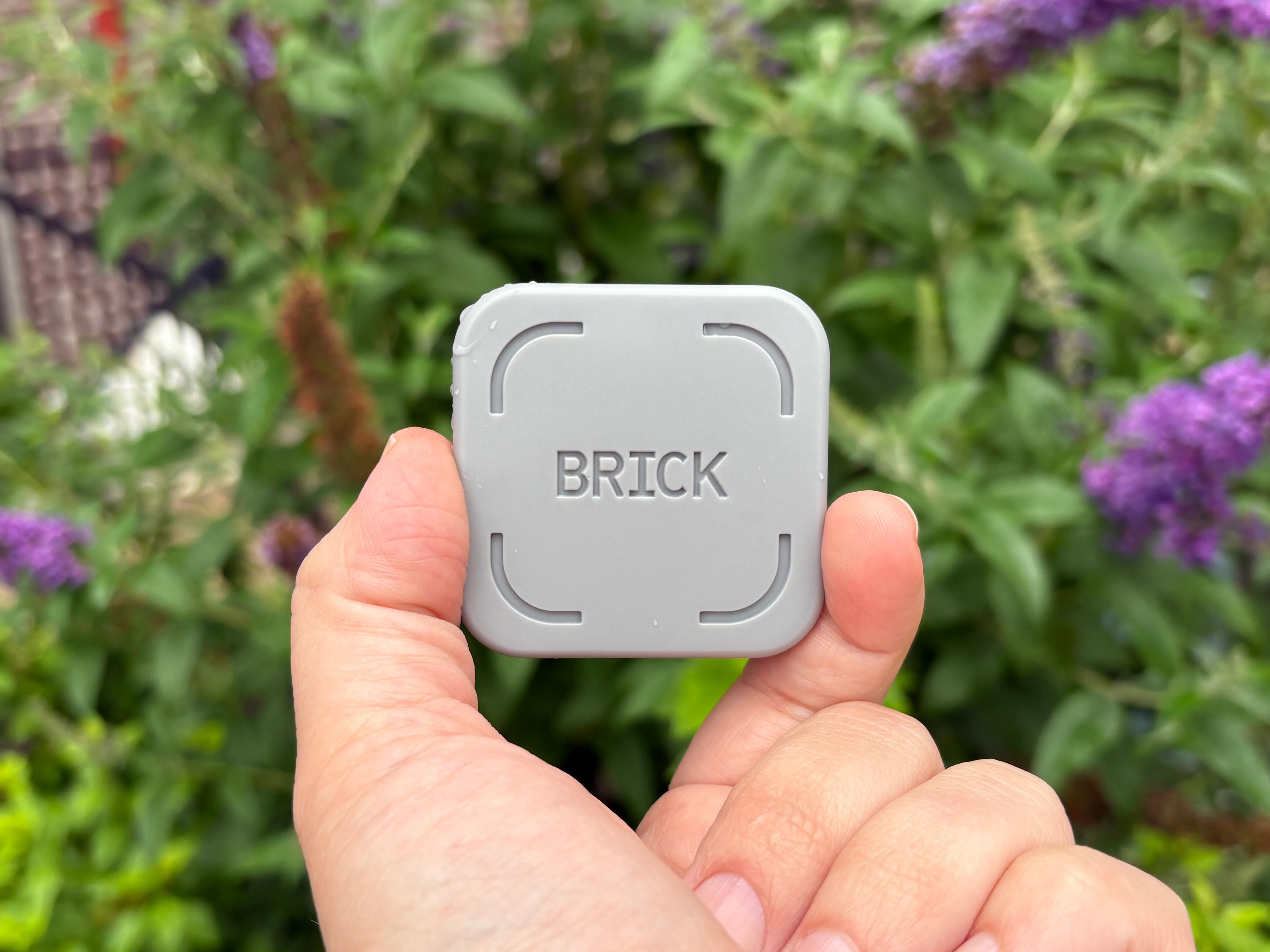
A new NFC-enabled hardware device called Brick has entered the market, offering a physical solution to the persistent problem of smartphone addiction. Priced at $59, the matchbox-sized grey plastic square requires users to physically tap their phone against it to deactivate custom screen time limits. This mechanism adds tangible friction to digital interactions, effectively preventing the unconscious reflexes that often lead to mindless scrolling.
The product was developed by co-founders Zach Nasgowitz and TJ Driver after they found existing software-only solutions, such as Apple’s Screen Time and Google’s Digital Wellbeing, to be insufficient for their own needs. These standard applications are widely considered easy to bypass, allowing users to dismiss notifications and continue using apps without consequence. Brick aims to bridge the gap between unrestricted smartphone use and the drastic step of switching to a "dumb phone" or flip phone.
Brick allows for personalised modes, including a "Sleep" setting that blocks most applications except for messaging and audio services. This feature is designed to improve sleep hygiene by preventing late-night scrolling. Users must physically leave their bedroom and tap the device to access blocked apps, creating a deliberate barrier that encourages intentional technology use rather than passive consumption.
The device is positioned as a practical alternative for individuals who require modern smartphone functionalities for work or daily tasks, such as two-factor authentication and contactless payments. While the market for modified flip phones from companies like Dumb.Co and Commodore exists, it may not suit users who need to retain essential apps like authenticators or messaging services such as KakaoTalk. Brick offers a middle ground, allowing users to retain their primary devices while significantly reducing screen time.
In testing, the device has demonstrated effectiveness in altering user behaviour, with reviewers reporting improved sleep habits and reduced engagement with social media. The company provides a limited number of "emergency unbricks" for critical situations, though this feature is rarely utilised. The approach aligns with the broader screen time movement, which focuses on reclaiming user agency and designing digital environments that do not rely solely on willpower.
