Brent crude oil prices surge past $126 as Middle East tensions escalate
Energy markets react sharply to supply constraints and unconfirmed reports of a US Central Command strike plan intended to break a diplomatic deadlock with Tehran.

Brent crude oil prices have climbed to their highest levels since mid-2022, surpassing the $126 per barrel threshold according to data from the London Stock Exchange Group. The sharp increase, which represents a rise of almost seven per cent, is being driven by supply constraints resulting from ongoing conflict in the Middle East.
Market volatility mirrors the conditions seen in 2022, with investors closely monitoring security developments in the region. Concerns regarding potential extended blockades or direct military intervention are weighing heavily on energy costs, prompting a broader strategic review of troop numbers in Germany that suggests a recalibration of American military posture.
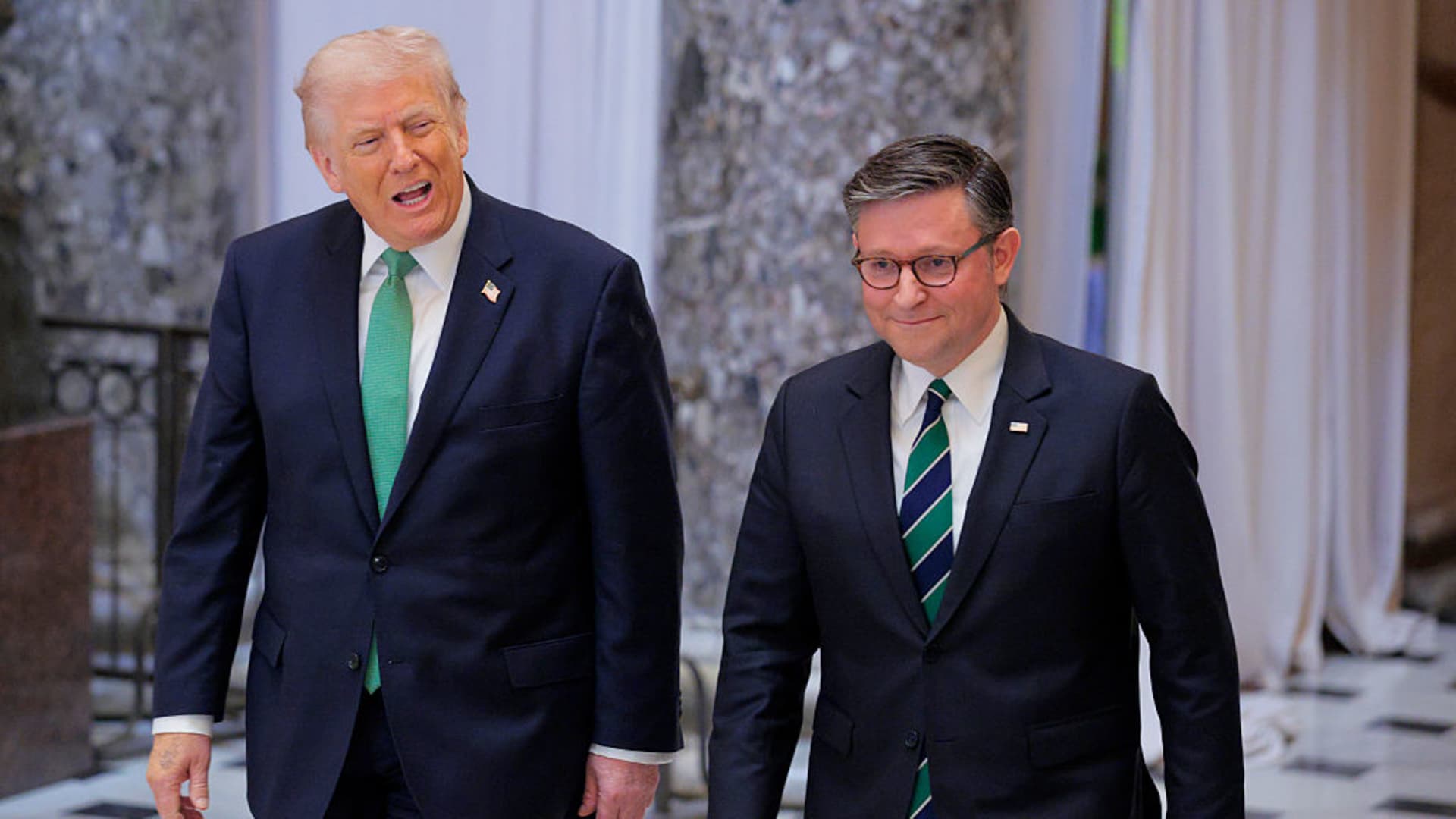
Adding to the uncertainty, reports indicate that the US military is set to brief President Trump on potential actions against Iran. While specific details regarding the timing and nature of this briefing remain unconfirmed, the prospect of military escalation has sent shockwaves through global commodity markets.
Further complicating the geopolitical landscape, US Central Command is reportedly formulating a plan for a series of short, powerful strikes on Iran. The objective of this proposed strategy is to break a negotiation deadlock with Tehran, though the exact nature of the plan remains unverified in public detail.
Amidst these developments, energy executives have reportedly met with President Trump to discuss limiting the impact of the conflict on US consumers. The extent to which these discussions will influence immediate policy decisions remains unclear, highlighting the complex interplay between diplomatic efforts and military options.
As the situation evolves, the sensitivity of energy costs to regional security developments continues to underscore the risks facing global trade and investment. Until further clarification is provided regarding the military briefing and the proposed strike plan, market participants are expected to remain cautious.