Brent crude drops below US$76 as Trump pressures oil firms on fuel costs
US President intensifies calls for lower gasoline prices as crude falls below US$76 per barrel, marking a significant decline from recent levels.
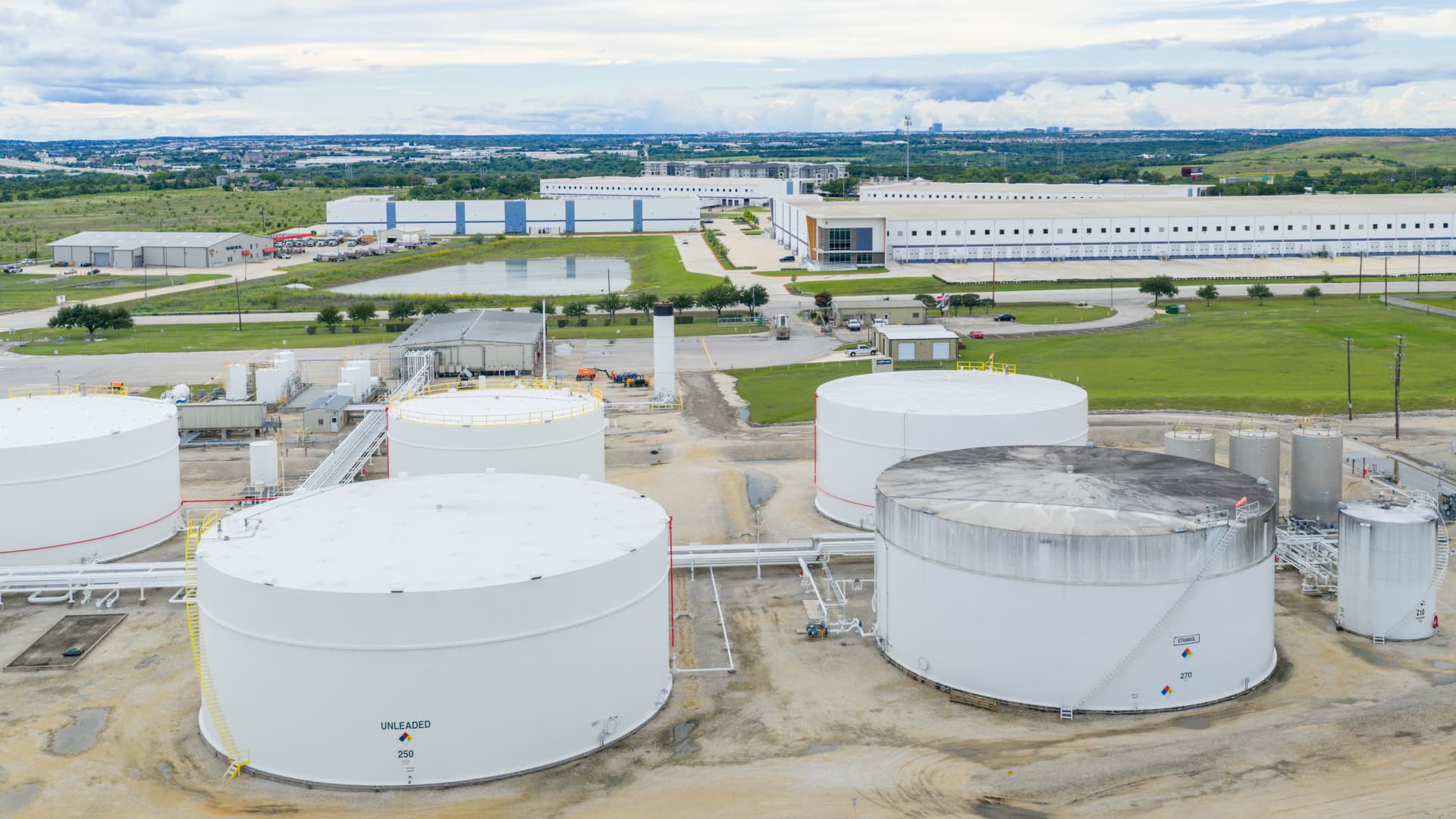
Brent crude oil prices have fallen below US$76 per barrel, reaching their lowest level since the day before the US-Iran war. The decline in the global benchmark comes as US President Donald Trump has intensified pressure on oil companies to reduce gasoline prices in response to the drop in crude costs.
The move to sub-$76 pricing represents a notable shift from recent trading sessions. On Friday, Brent crude futures had settled lower by 3.38 per cent to US$77.90 a barrel. That previous decline was driven by market optimism regarding eased sanctions and improved transit through the Strait of Hormuz, factors that have continued to weigh on prices.
The geopolitical backdrop to this price movement includes recent diplomatic developments. US Vice President JD Vance announced in Switzerland that Iran has agreed to permit nuclear negotiations. This announcement contributed to a broader sense of optimism that has clashed with a hawkish US Federal Reserve outlook, leaving global equities largely flat on Monday.
Further complicating the landscape, a recent Beijing summit featured discussions on trade, artificial intelligence, and Strait of Hormuz security. The event was attended by prominent US business leaders including Elon Musk, Tim Cook, and Jensen Huang, highlighting the intersection of technology, trade, and energy security.
The economic climate in Iran remains characterised by hyperinflation and military uncertainty, adding volatility to the region’s stability. Meanwhile, other market events have drawn attention, such as the debut of SpaceX’s IPO at $135 per share, which raised approximately $75 billion and achieved a valuation of around $1.77 trillion.
Despite these broader market movements, the immediate focus for policymakers and consumers remains on the retail impact of falling crude. President Trump’s intensified pressure on oil firms suggests that the administration expects downstream fuel prices to reflect the recent reductions in wholesale crude costs.