Box founder Levie warns of 'AI psychosis' as tech sector layoffs accelerate
Aaron Levie argues that leaders replacing roles with artificial intelligence often lack understanding of the jobs themselves, a trend underscored by recent workforce cuts at ClickUp and a surge in privacy-focused search usage.
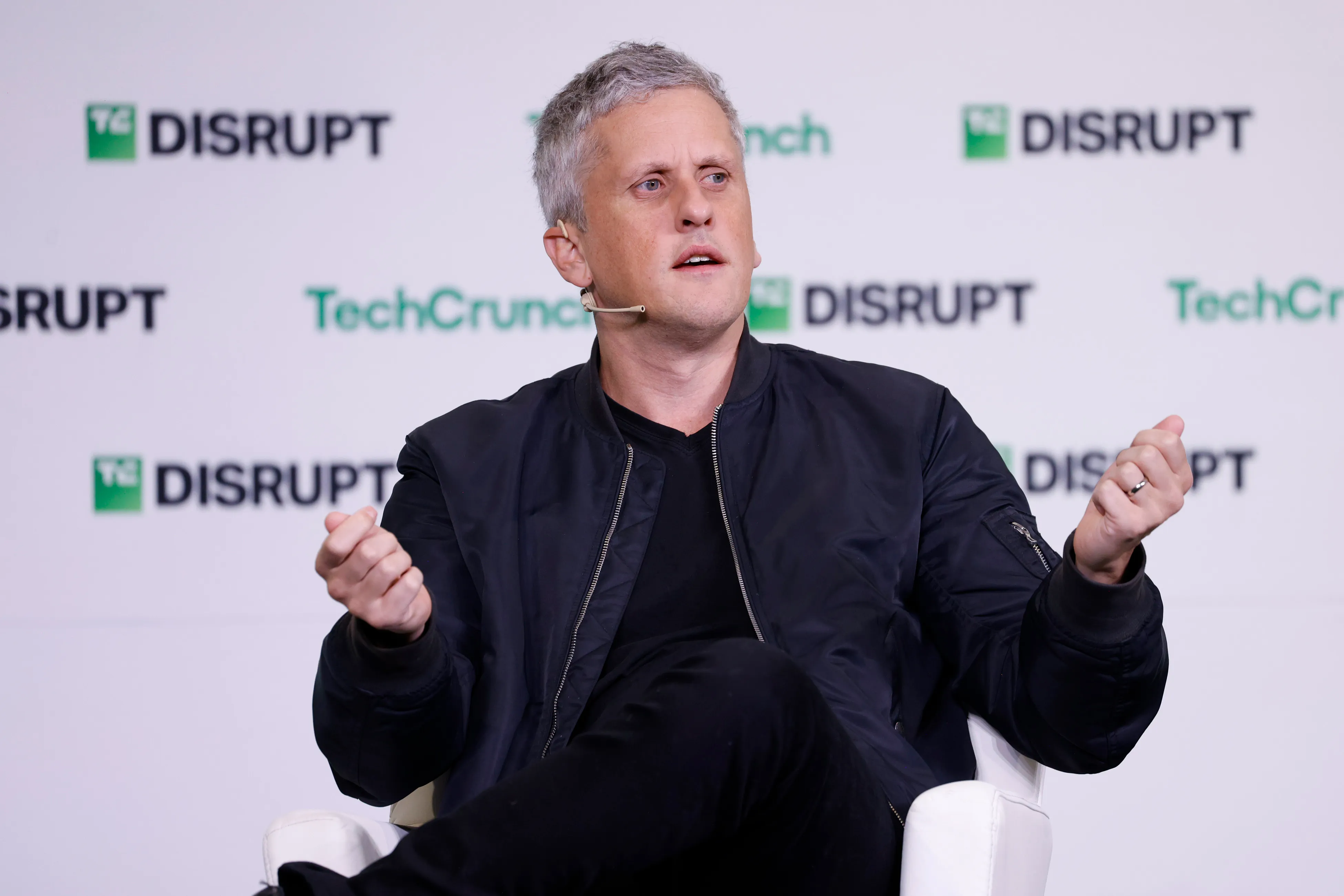
Box founder Aaron Levie has introduced the term "AI psychosis" to describe a growing disconnect in corporate decision-making, arguing that executives who determine which roles can be replaced by artificial intelligence are often the least likely to understand the nuances of those positions. This commentary emerged during an analysis by TechCrunch’s Equity podcast, where hosts Kirsten Korosec, Anthony Ha, and Sean O’Kane examined the tension between proponents of aggressive AI adoption and those who remain skeptical of its immediate practicality.
The discussion coincides with significant workforce restructuring across the technology sector. Reports indicate that ClickUp recently reduced its workforce by 22 per cent to implement AI agents, a move that exemplifies the rapid integration of automation tools into operational workflows. Such cuts are part of a broader trend, with data suggesting that the volume of tech layoffs in 2026 is already nearing the total recorded for all of 2025, signalling an acceleration in labour market adjustments driven by technological shifts.
Levie’s critique focuses on the strategic blind spots that can arise when automation is prioritised without deep operational insight. According to the Box founder, the individuals making these high-level decisions frequently lack the granular knowledge required to assess the true value and complexity of the roles being automated. This perspective was highlighted as the podcast hosts explored scenarios where both AI advocates and skeptics may be partially correct, reflecting a complex market environment where efficiency gains clash with institutional knowledge loss.
Concurrent with these corporate shifts, consumer behaviour is reflecting a counter-movement towards privacy and simplicity in digital services. Installations of DuckDuckGo are rising as users seek alternatives to Google’s search results, which have been increasingly integrated with AI-generated content. This trend suggests that while enterprises are pushing for AI-driven efficiency, end-users are actively resisting the perceived clutter and opacity introduced by automated search features.
The broader market context also includes developments such as Waymo’s launch of a new robotaxi service and various other business deals, situating Levie’s comments within a wider industry trajectory. As technology companies continue to balance the promise of AI with the realities of workforce reduction and user sentiment, the debate over the appropriate pace and depth of automation remains a critical focus for investors and industry observers alike.
