Boeing shares drop as Trump-China summit outcomes fail to satisfy markets
The US president declared that Beijing would increase purchases of American agriculture and oil, yet market sentiment remained subdued following the summit.
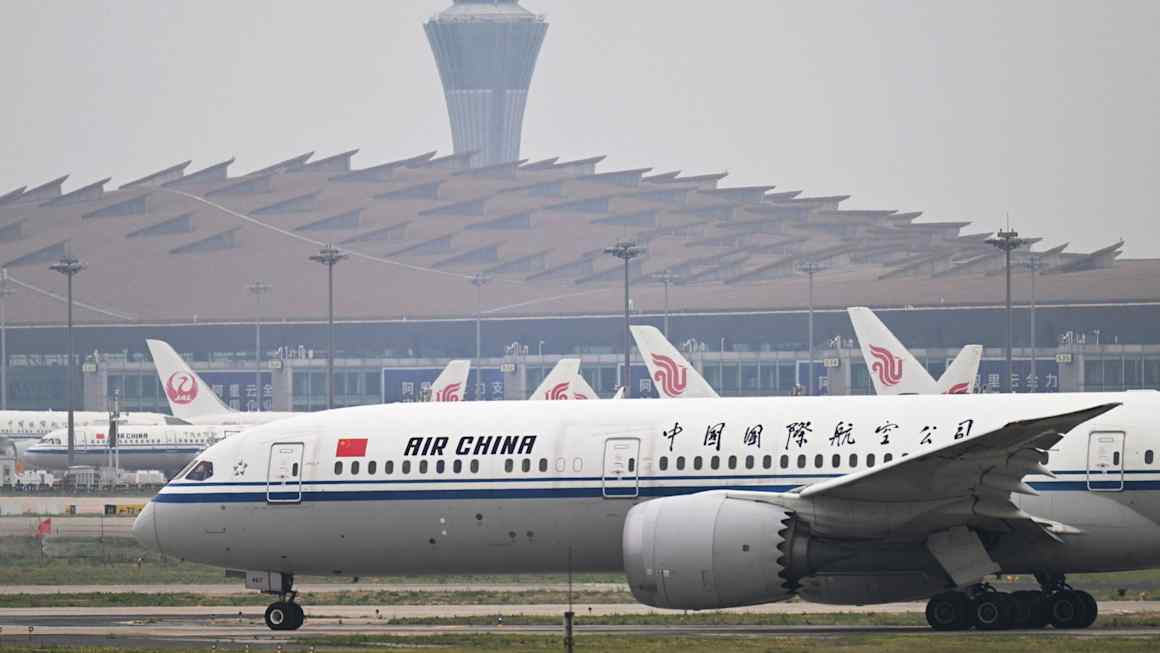
Boeing shares declined following the conclusion of a two-day summit in Beijing between US President Donald Trump and Chinese President Xi Jinping, as market participants expressed disappointment with the specific outcomes of the meeting. The downturn in the aerospace manufacturer’s stock highlights the gap between diplomatic announcements and investor expectations regarding tangible commercial agreements.
Prior to the summit’s conclusion, US stock markets had posted gains on Thursday, buoyed by optimism surrounding the talks. The Dow Jones Industrial Average rose 0.8%, the S&P 500 increased by 0.3%, and the Nasdaq Composite climbed 0.2%. Nvidia shares also surged more than 2% earlier in the session following news that the US had approved the sale of H200 chips to Chinese firms, suggesting that initial sentiment was positive before the final announcements were made.
During the summit, which covered trade relations, artificial intelligence, and geopolitical tensions regarding the Strait of Hormuz, President Trump stated that Beijing had agreed to expand its purchases of American agriculture and oil products. This declaration was presented as a key result of the negotiations, aiming to strengthen bilateral trade flows in energy and food commodities.
However, the immediate market reaction to the summit’s conclusion was negative, particularly for Boeing. The decline suggests that investors were seeking more concrete details or broader deals than those outlined in the president’s statement. The specific volume and implementation timeline of the claimed Chinese purchases of US oil and agriculture products remain unconfirmed, leaving the market to weigh the long-term impact of these statements.
The summit represents a significant moment in the ongoing trade and geopolitical relationship between the two nations. While the approval of H200 chip sales and the promise of increased commodity purchases were highlighted as positive developments, the lack of detailed deal structures appears to have tempered enthusiasm among investors, leading to the observed sell-off in Boeing shares.