Boeing CEO signals delay in 737 MAX successor as firm prioritises financial repair
The US manufacturer is shifting focus from rapid innovation to operational stability, acknowledging the financial pressures that have followed recent crises in its commercial aviation division.
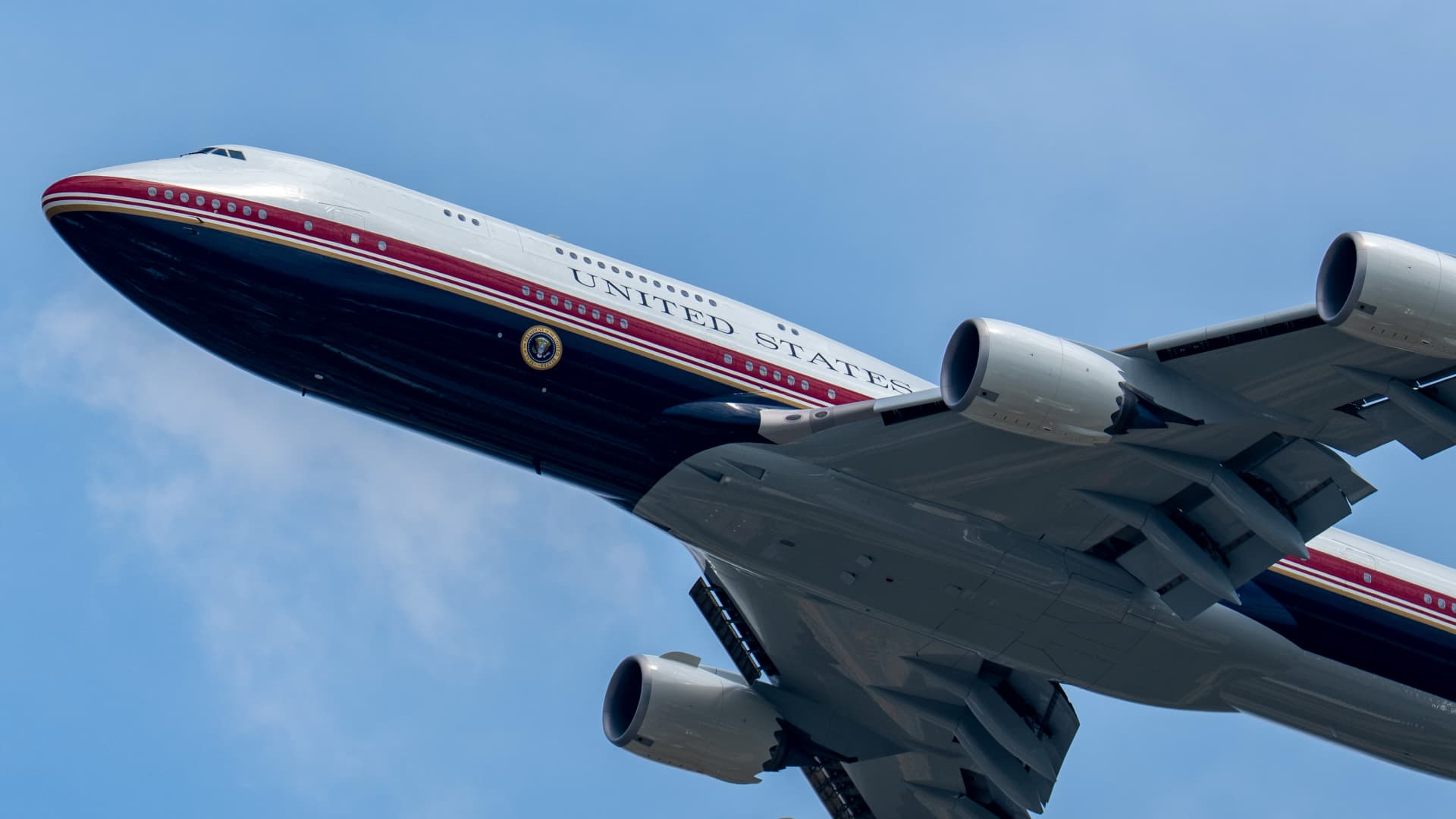
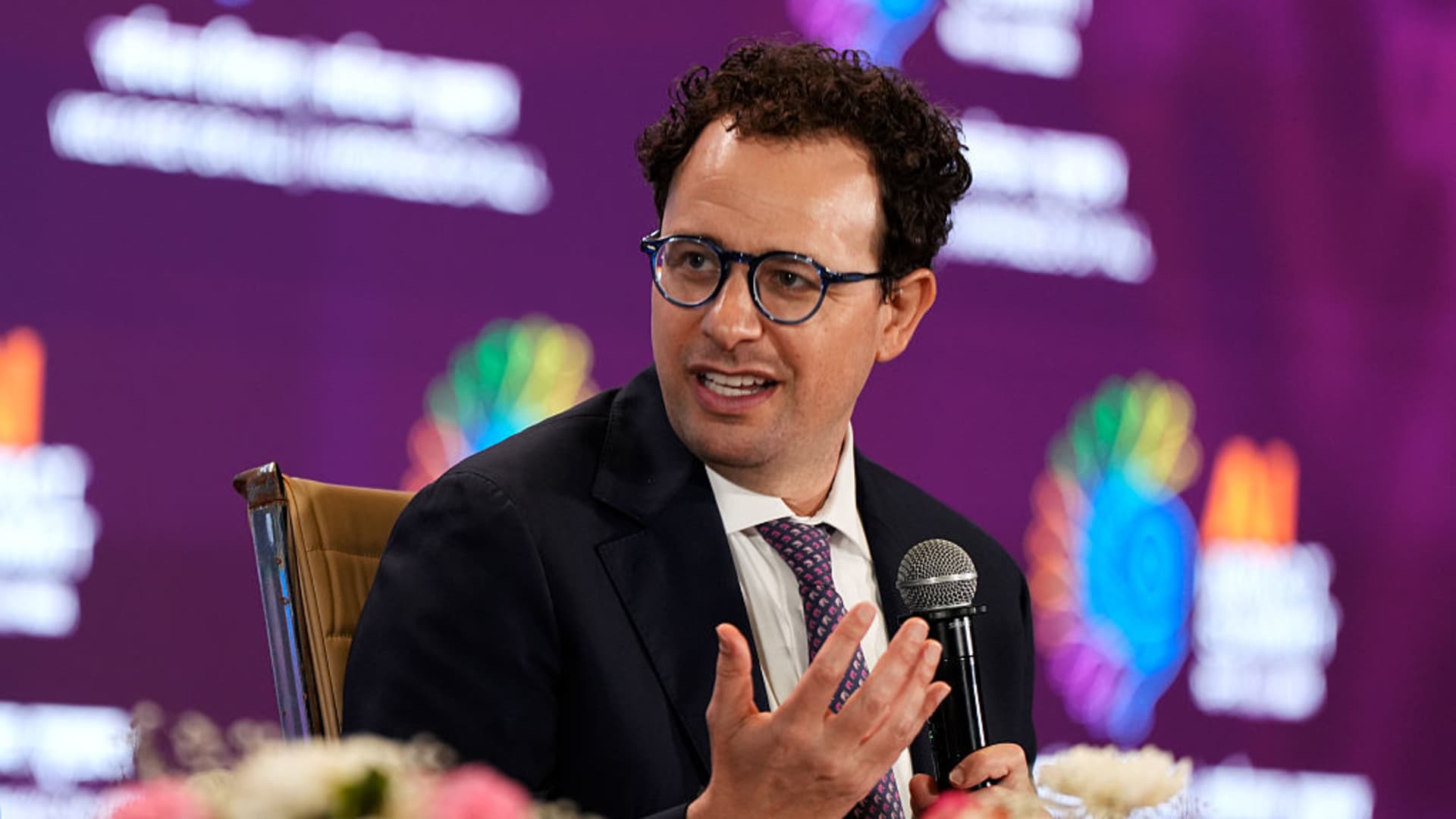
Boeing chief executive Kelly Ortberg has indicated that the company requires additional time to repair its finances before it can commit to developing a successor to its best-selling 737 MAX aircraft. Speaking at the Farnborough International Airshow, Ortberg signalled a strategic pivot away from rushing new jet development, emphasising instead the need to stabilise the company’s existing business operations.
The comments highlight a cautious approach to capital allocation at the US aerospace giant. Rather than immediately pursuing a next-generation model to compete with Airbus, Boeing is prioritising the consolidation of its current portfolio. Ortberg described the timeline for financial recovery as requiring "a couple more years," a qualitative estimate that suggests a medium-term focus on operational health over immediate product expansion.
This strategic pause comes as Boeing navigates ongoing financial pressures and operational challenges in the wake of previous crises involving the 737 MAX. The CEO’s remarks reflect a broader industry reality where manufacturers are balancing the demand for new aircraft with the imperative to restore investor confidence and manage debt levels effectively.
The announcement was delivered against a backdrop of significant activity in the global markets. Recent volatility has been influenced by major events such as the debut of SpaceX on the Nasdaq and shifting geopolitical dynamics involving Iran and the United States. While these macroeconomic factors have impacted investor sentiment, the focus at Farnborough remained squarely on Boeing’s internal restructuring and its immediate competitive position against European rival Airbus.
Ortberg’s statement does not suggest an abandonment of future innovation but rather a reprioritisation of resources. By deferring the launch of a successor program, Boeing aims to ensure that its financial foundation is robust enough to support the substantial investment required for next-generation aviation technology. The company now faces the challenge of maintaining market share in the interim while it works to stabilise its core business.