BoE Governor Bailey Signals Rate Cuts Hinge on Stability Amid Middle East Risks
Andrew Bailey insists policymakers must be 'much more confident' in economic stability before proceeding with interest rate reductions, tempering market expectations for immediate monetary easing.
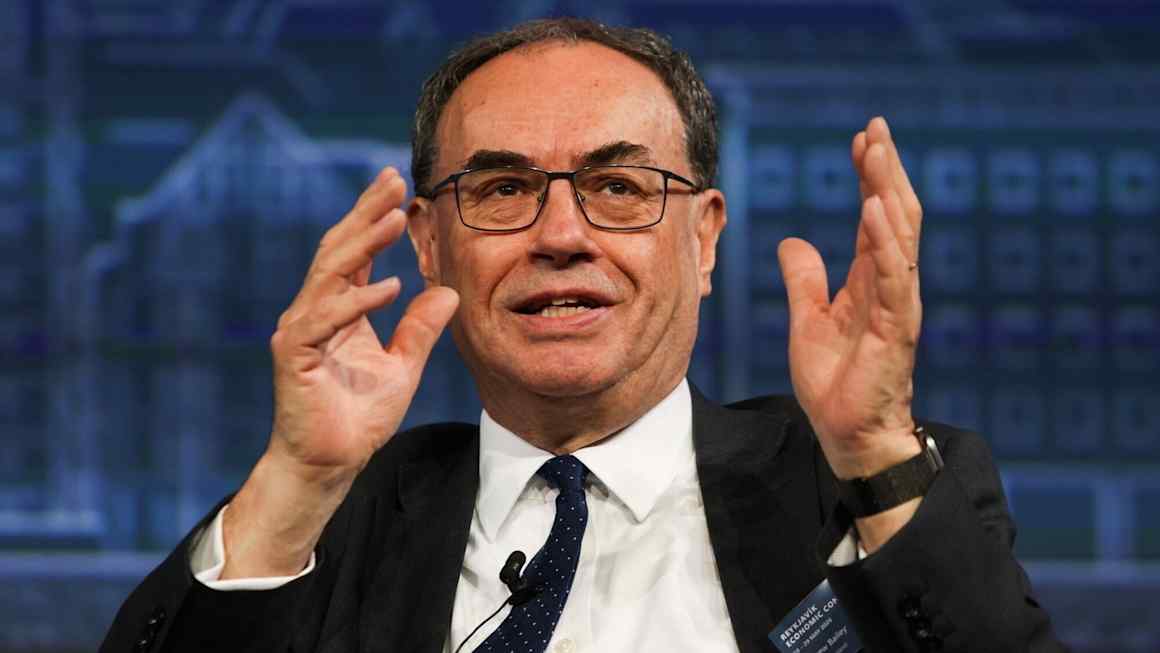
Bank of England Governor Andrew Bailey has cautioned that the central bank will not proceed with interest rate cuts until policymakers are significantly more confident in the stability of the economic outlook. Speaking to the Financial Times, Bailey emphasised that the path to monetary easing remains conditional on clearer signals of sustained stability, rather than immediate geopolitical developments.
The governor’s comments come as global markets weigh the potential economic impacts of ongoing conflicts in the Middle East. Bailey noted that even if a ceasefire were to be reached in the region, it would not immediately dispel the uncertainty plaguing the broader economy. This assessment suggests that the Bank of England is looking for deeper, more structural indicators of stability before adjusting its monetary policy stance.
By highlighting the persistent uncertainty associated with geopolitical events, Bailey has effectively lowered the threshold for immediate rate cuts. His statement implies that the central bank is prioritising a thorough assessment of economic resilience over rapid responses to external shocks. Investors and institutions will likely interpret this as a signal that the timeline for further easing remains open-ended and dependent on data that has yet to fully materialise.
The governor’s remarks underscore the complexity facing the Bank of England as it navigates between domestic economic pressures and global instability. While a ceasefire might alleviate some immediate tensions, Bailey’s warning indicates that the financial sector must prepare for a period of continued volatility. This perspective aligns with a cautious approach to monetary policy, where the central bank seeks to avoid premature moves that could undermine long-term stability.
As the Bank of England continues to monitor these developing situations, market participants are advised to look for concrete evidence of improved economic confidence before anticipating any shifts in interest rates. Bailey’s stance reinforces the central bank’s commitment to a measured and data-dependent approach, ensuring that any policy adjustments are grounded in robust assessments of the economic landscape.