BNPL sector growth stalls as regulation curbs boom and players exit
Annual spending growth halves to $1.5bn, new account applications fall 35%, and at least eight platforms have left the market since 2022 as the industry pivots to subscription fees and merchant expansion.
Australia’s buy now pay later (BNPL) sector is experiencing a pronounced slowdown in growth, with annual spending growth halving from $3bn in the late 2010s to $1.5bn in 2025, according to the Reserve Bank. The contraction follows 2025 regulatory reforms that classified BNPL as credit, mandating affordability checks and credit reporting, which has led to a 35% drop in new account applications in the three months to June 2026. At least eight platforms have exited the Australian market since 2022, leaving four major operators: Afterpay, Klarna, Zip, and PayPal.
New credit checks have reduced the frictionless appeal that drove early adoption. Kevin James, an analyst at Equifax, noted that the removal of instant approvals has pushed some consumers toward traditional credit cards and personal loans. While BNPL promised to disrupt the credit market, Australians spent 20 times more via credit cards last year than through BNPL, with total credit card spending reaching $22bn compared to BNPL’s significantly lower volume.
The remaining major players are navigating reduced uptake through diversification and new revenue streams. Afterpay, which has never turned a profit in Australia and reported a $741m pre-tax loss in the local market, is expanding its merchant base to include Uber and Amazon, alongside categories such as petrol and groceries. The company also launched Afterpay Plus, a subscription product that saw revenue surge from $22.8m in 2024 to $42.5m in 2025, charging users $9.99 a month to pay in instalments anywhere that accepts mobile phone payments.
Zip is adapting its model by charging monthly fees and interest on some products unless specific conditions are met, contrasting with the traditional fee-free approach. Meanwhile, PayPal’s Pay-in-4 service has seen no customer growth since 2023, and Zip has experienced a 7% year-on-year fall in users, prompting its exit from the New Zealand market. Afterpay reported that 2.9% of customers were three months late on repayments in June 2025, compared with 2.1% for credit cards, while earning $123m in late fee revenue annually in 2024 and 2025.
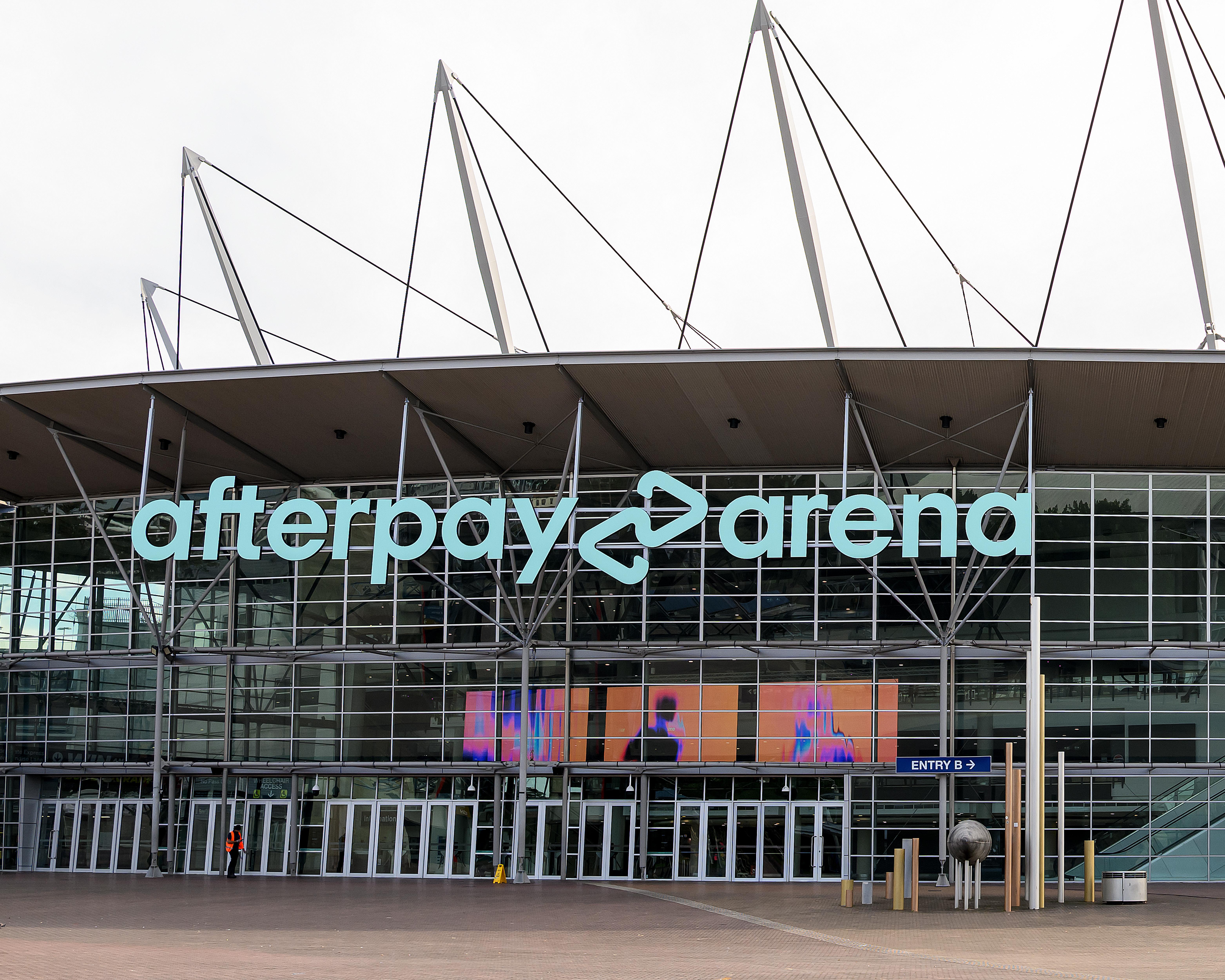
The competitive landscape is further complicated by the Reserve Bank’s ban on card surcharging, which is set to make card transactions cheaper for businesses. Angel Zhong, a professor of finance at RMIT, warned that merchants may find higher BNPL fees less palatable as card costs drop, potentially slowing the acquisition of new business partners. Despite the slowdown, Afterpay’s co-founder Anthony Eisen maintains the platform is growing rapidly, pointing to the company’s acquisition of naming rights to the Sydney Olympic Park arena as evidence of its integration into the financial establishment.