BMW Q1 Earnings Drop 25% as China Weakness and Tariffs Bite
Shares rise on resilient core performance despite headwinds in China and US trade policy; Nedeljkovic set to succeed Zipse
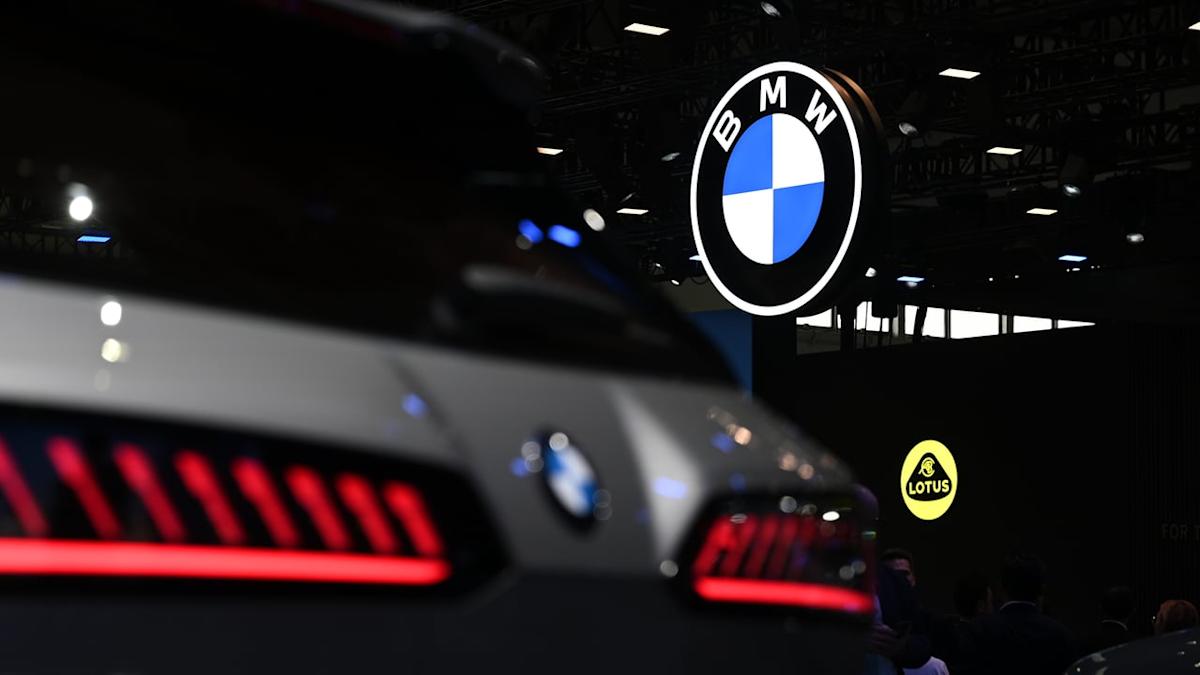
BMW Group has reported a significant contraction in first-quarter 2026 pretax earnings, with the figure falling 25 per cent to €2.35 billion. The decline is primarily attributed to a challenging pricing environment in China and the financial impact of US tariffs. Consequently, group revenue dropped 8.1 per cent to €31 billion, while net profit fell 23.1 per cent to €1.67 billion.
Despite the broader downturn in profitability, the company's core automotive segment demonstrated resilience. The segment achieved an EBIT margin of 5.0 per cent, surpassing analyst forecasts of 4.7 per cent. This stronger-than-expected performance on the margin front helped drive BMW shares up by approximately 5 per cent following the announcement of the results.
The pressure from US trade policy remains a significant factor in the group's financials. BMW noted that the combined weight of tariffs shaved 1.25 percentage points off the automotive segment's EBIT margin during the quarter. CEO Oliver Zipse characterised potential further tariff hikes on EU auto imports as a pressure tactic rather than a firm policy, estimating that raising rates to 15–25 per cent would cost the company an additional €540 million.
In response to the prevailing headwinds, BMW has adopted a more conservative approach to spending. The company reduced capital expenditure by 38.9 per cent to €1.72 billion and cut research and development spending by 11.5 per cent to €1.76 billion for the quarter. Nevertheless, cash generation remains robust, with free cash flow in the automotive segment surging 88.1 per cent to €777 million for the period.
Looking ahead, BMW has confirmed its full-year guidance for 2026, projecting an automotive EBIT margin between 4 per cent and 6 per cent. The company anticipates a moderate decline in group pretax earnings for the year. CFO Walter Mertl indicated that improvement is expected in the second half of the year as the firm rolls out its next-generation Neue Klasse electric vehicle lineup.
Leadership changes are also underway at the helm of the German manufacturer. Nedeljkovic, who currently oversees manufacturing operations, is set to succeed outgoing CEO Oliver Zipse later this month. This transition marks the end of Zipse's tenure, which has lasted close to seven years, as the company navigates its current market challenges.