Blue Origin targets late 2026 return for New Glenn after Cape Canaveral explosion
The company has accelerated its recovery timeline to before year-end, defying industry expectations of a 2027 return, while pausing tourism operations to prioritise NASA’s Artemis programme.
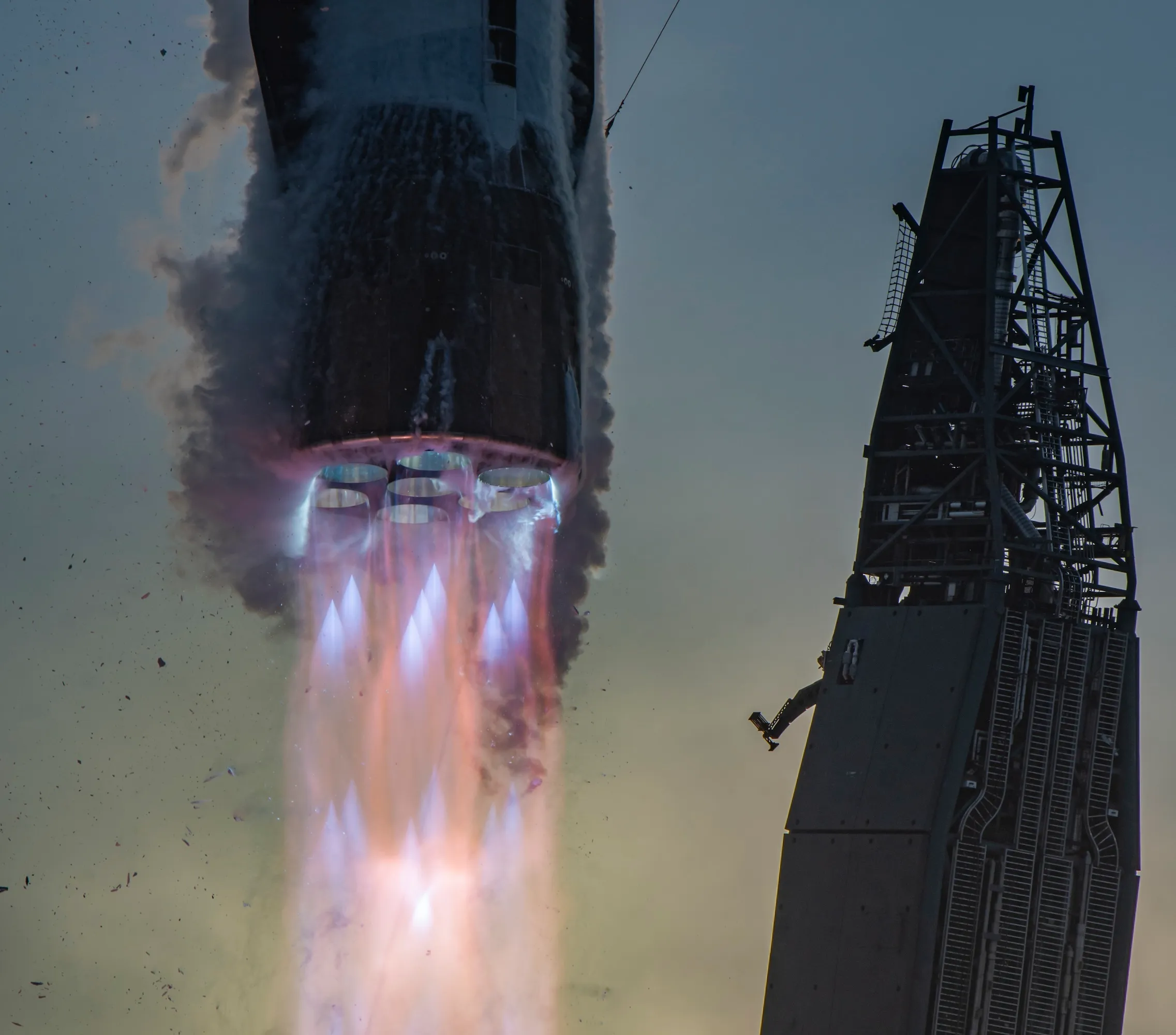
Blue Origin chief executive Dave Limp has confirmed the company intends to relaunch its New Glenn rocket before the end of 2026, following a significant explosion at its Cape Canaveral, Florida, launchpad last week. Limp stated that the damage to the launch infrastructure was less severe than anticipated, with a previously flown booster and three upper stages remaining undamaged. The company has not yet disclosed the cause of the explosion.
This timeline is considered aggressive, as industry observers expected a return to flight no earlier than 2027. Blue Origin is currently focused on supporting NASA’s Artemis missions, having paused New Shepard space tourism flights for at least two years starting in January. The company is building a second launchpad at Cape Canaveral, but the project is in very early stages, unlike SpaceX’s situation in 2016 when a second pad was nearly ready.
Limp specified that a previously flown New Glenn rocket booster and three of the rocket’s upper stages, which were at the launch complex, “also look good.” The upcoming launch is intended to carry a batch of satellites for Amazon, Bezos’ other company; these satellites were not on board during the explosion and were not destroyed.
Blue Origin will alter how it transports rockets to the launchpad and how it stands them up, moving away from the previous “transporter-erector” method, though details of the new solution were not provided. Limp dismissed speculation that Blue Origin would proceed directly to a larger and more powerful New Glenn variant for the next flight.
New Glenn’s inaugural launch in January 2025 was largely successful, though the booster exploded during re-entry. The second launch in November successfully deployed Mars-bound spacecraft and landed the first booster on a drone ship. The third mission in April saw a successful booster reuse, but an upper stage failure resulted in the loss of an AST SpaceMobile satellite payload.
