Blue Origin targets 2026 return as NASA pivots Blue Moon lander to SpaceX
Following a catastrophic explosion at Cape Canaveral, NASA identifies Falcon Heavy as the primary alternative for the Artemis III test mission, while Blue Origin faces skepticism over its ambitious rebuild schedule.
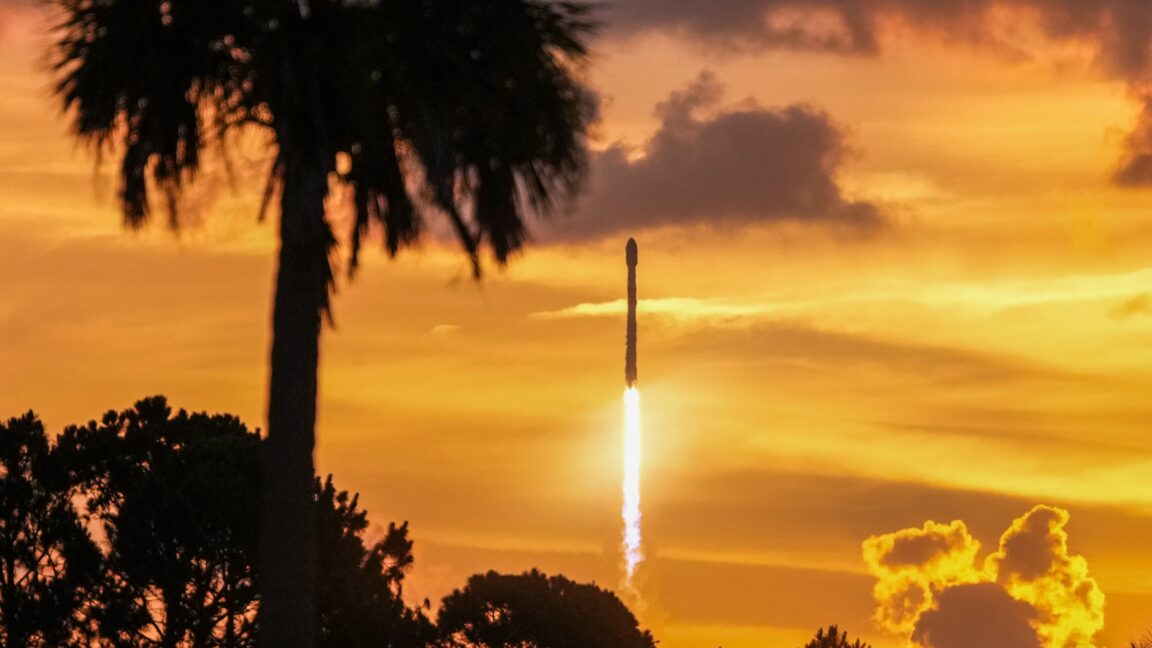
Blue Origin has set a target to resume launches from its damaged LC-36A launch site by the end of 2026, following the explosion of its New Glenn heavy-lift rocket on May 28. Chief Executive Dave Limp confirmed that preliminary surveys indicate the propellant farm, oxygen, liquid hydrogen, and LNG tanks remain intact, although the transporter-erector required to move the rocket to the pad was destroyed. The company intends to proceed with rebuilding the facility, which is designed for the 7x2 variant of the vehicle, rather than constructing a new pad for the larger 9x4 variant.
Despite the company’s optimism, industry veterans view the seven-month recovery timeline as unrealistic. Following the 2016 explosion of a SpaceX Falcon 9 at a nearby launch complex, experts estimate that a 12 to 18-month period is required to rebuild infrastructure and restore flight operations. The New Glenn incident has provided the US Space Force with real-world data on methalox blast waves, potentially allowing for the reduction of keep-out zones at Cape Canaveral as safety protocols for methane-fuelled rockets are refined.
The grounding of New Glenn has prompted NASA Administrator Jared Isaacman to decouple the Blue Moon lunar lander from the launch vehicle. With a launch on the New Glenn this year now unachievable, NASA is seeking an alternative launcher for the Blue Moon Mark 1 cargo lander, which serves as a precursor to the human-rated lander for the Artemis program. Isaacman stated that the agency is laser-focused on keeping the lander in development for the Artemis III test mission in March 2027.
SpaceX’s Falcon Heavy has been identified as the primary alternative for launching the Blue Moon Mark 1, though technical hurdles remain. Concurrently, NASA is preparing for the Artemis III mission itself, with Northrop Grumman shipping the remaining solid rocket booster segments for the Space Launch System (SLS) from Utah to Kennedy Space Center. Stacking of the SLS is scheduled to begin this summer, with a target launch window of March 2027.
In broader space sector developments, Canada has committed $200 million to lease a launch pad at Spaceport Nova Scotia for national defence purposes, supporting the development of a sovereign launch capability by Maritime Launch Services. China successfully launched its Long March 12B reusable rocket, the largest of its new crop of candidates, while Impulse Space raised $500 million in Series D funding, bringing its total capital raised to over $1 billion. United Launch Alliance also launched the penultimate batch of Amazon’s broadband satellites on an Atlas V rocket on May 29.
