Blue Origin setback, China’s Tiangong expansion and NASA’s SpaceX pivot
A catastrophic static fire test grounds Blue Origin’s New Glenn, while NASA secures further SpaceX contracts amid Boeing delays and China extends its orbital presence.
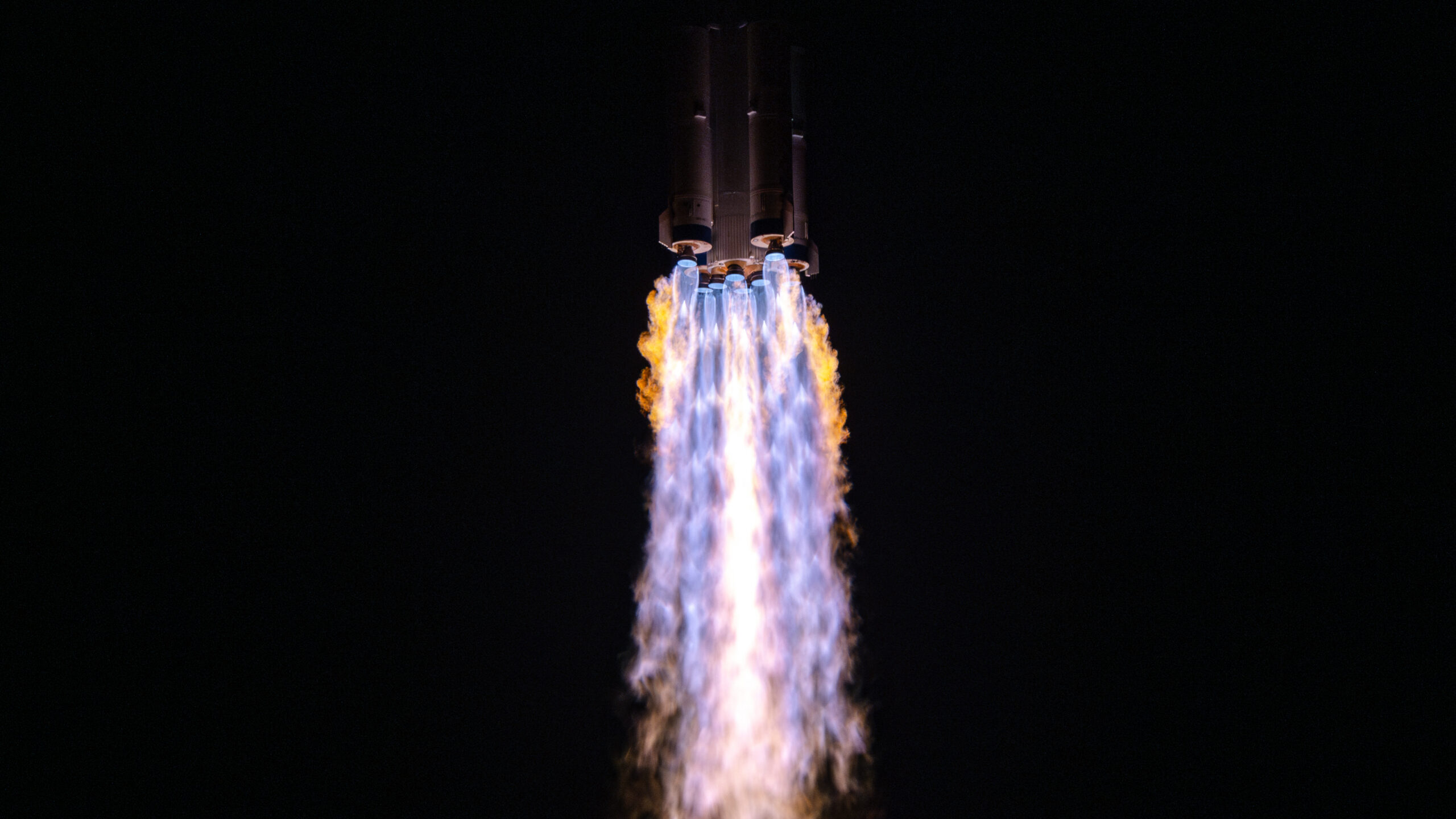
Blue Origin suffered a significant setback on Thursday evening when its New Glenn rocket exploded during a static fire test at Launch Complex 36A in Cape Canaveral, Florida. The incident destroyed much of the launch pad infrastructure, including a lightning protection tower, and grounded the vehicle for an extended period. The explosion occurred approximately 21:00 local time, causing extensive damage to the sole orbital-class launch pad designated for the vehicle.
The blast jeopardises the scheduled launch of Amazon’s Leo broadband satellites, which were undamaged in a nearby hangar. As the only facility capable of launching New Glenn, the destruction of the pad impacts Blue Origin’s immediate launch cadence and has broader implications for NASA’s lunar ambitions. The company, founded in 2000, faces a critical juncture as it attempts to establish reliability for its super heavy-lift vehicle.
In parallel developments, NASA has announced plans to add six additional Crew Dragon missions to SpaceX’s commercial crew contract, extending through Crew-14. The agency cited ongoing certification delays with Boeing’s Starliner as a primary driver for the decision. With Boeing’s crew capsule still lacking approval for regular rotation flights following technical issues in a 2024 test, the extension ensures continuity for International Space Station crew transport.
Meanwhile, China successfully launched the Shenzhou-23 spacecraft to the Tiangong space station, carrying three astronauts. The crew, comprising commander Zhu Yangzhu, Zhang Zhiyuan, and Lai Ka-ying, docked with the station less than four hours after launch. Lai, from Hong Kong, is the first astronaut from the region to fly in space. The new crew joins three others who have remained on Tiangong for over 200 days, bringing the total complement to six.
One of the Shenzhou-23 astronauts is scheduled to remain in orbit for a year, marking one of the longest single stays in space history. The outgoing crew is set to return to Earth on Friday. This mission underscores China’s expanding orbital presence, though analysts note concerns regarding the accumulation of space debris from upper stages as the country deploys satellite megaconstellations.
