Blue Origin New Glenn Rocket Explodes During Static Fire Test in Florida
Founder Jeff Bezos confirms all personnel safe following explosion at Cape Canaveral, marking the latest setback for the heavy-lift programme ahead of Amazon’s satellite deployment.
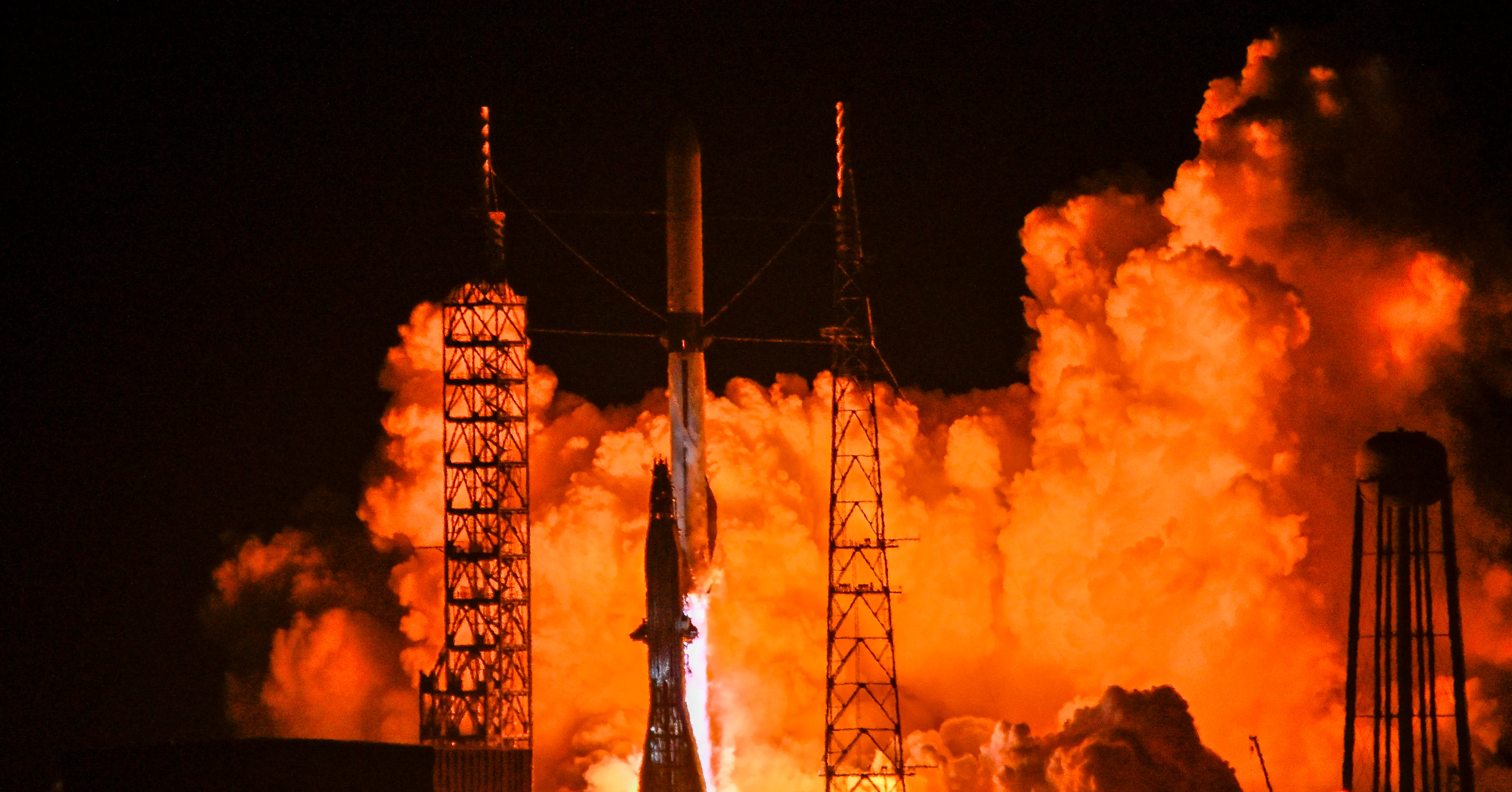
Blue Origin’s New Glenn rocket detonated during a static fire test on Thursday night at Launch Complex 36, Cape Canaveral Space Force Station in Florida. The explosion occurred while the 98-metre-tall heavy-lift vehicle remained secured to the pad, a standard procedure designed to verify engine functionality before launch. Founder Jeff Bezos confirmed on social media platform X that all personnel were accounted for and safe, stating the company is already working to determine the root cause of the anomaly.
The incident took place just prior to the rocket’s scheduled fourth mission, which was set to deploy 48 satellites for Amazon’s Leo internet network. Bezos acknowledged the severity of the event, describing it as a “very rough day” but affirming the company’s commitment to rebuilding and resuming operations. The New Glenn is one of the largest rockets ever constructed, and its operational status is critical for several high-profile commercial and government contracts.
NASA Administrator Jared Isaacman acknowledged the anomaly, noting that spaceflight development is inherently difficult. He pledged cooperation with Blue Origin to support a thorough investigation and assess near-term mission impacts. Isaacman indicated that the agency would provide updates on any potential disruptions to the Artemis programme and Moon Base missions, both of which rely on Blue Origin’s capabilities for lunar return plans.
This event follows a previous failure during the rocket’s third flight in April, where the upper stage failed to place the AST SpaceMobile satellite into orbit. The Federal Aviation Administration (FAA) concluded its investigation into that incident on 22 May. The recurrence of technical issues has raised concerns about the reliability of the heavy-lift market and the timeline for upcoming launches.
Rebuilding Launch Complex 36A or completing preliminary work on the nearby Launch Complex 36B is estimated to take at least 15 months. This delay threatens to halt Blue Origin’s planned near-monthly launches for the second half of 2026, which were intended to serve customers including NASA, Amazon, and AST SpaceMobile. The company has begun preliminary work on the alternative launch site, but the timeline for a return to flight remains uncertain.
