Blue Origin New Glenn rocket explodes during Florida static fire test
Blue Origin confirmed personnel safety following the incident at Cape Canaveral, but the failure casts doubt on the company’s ability to execute up to 12 planned missions this year, including critical deployments for Amazon and NASA.
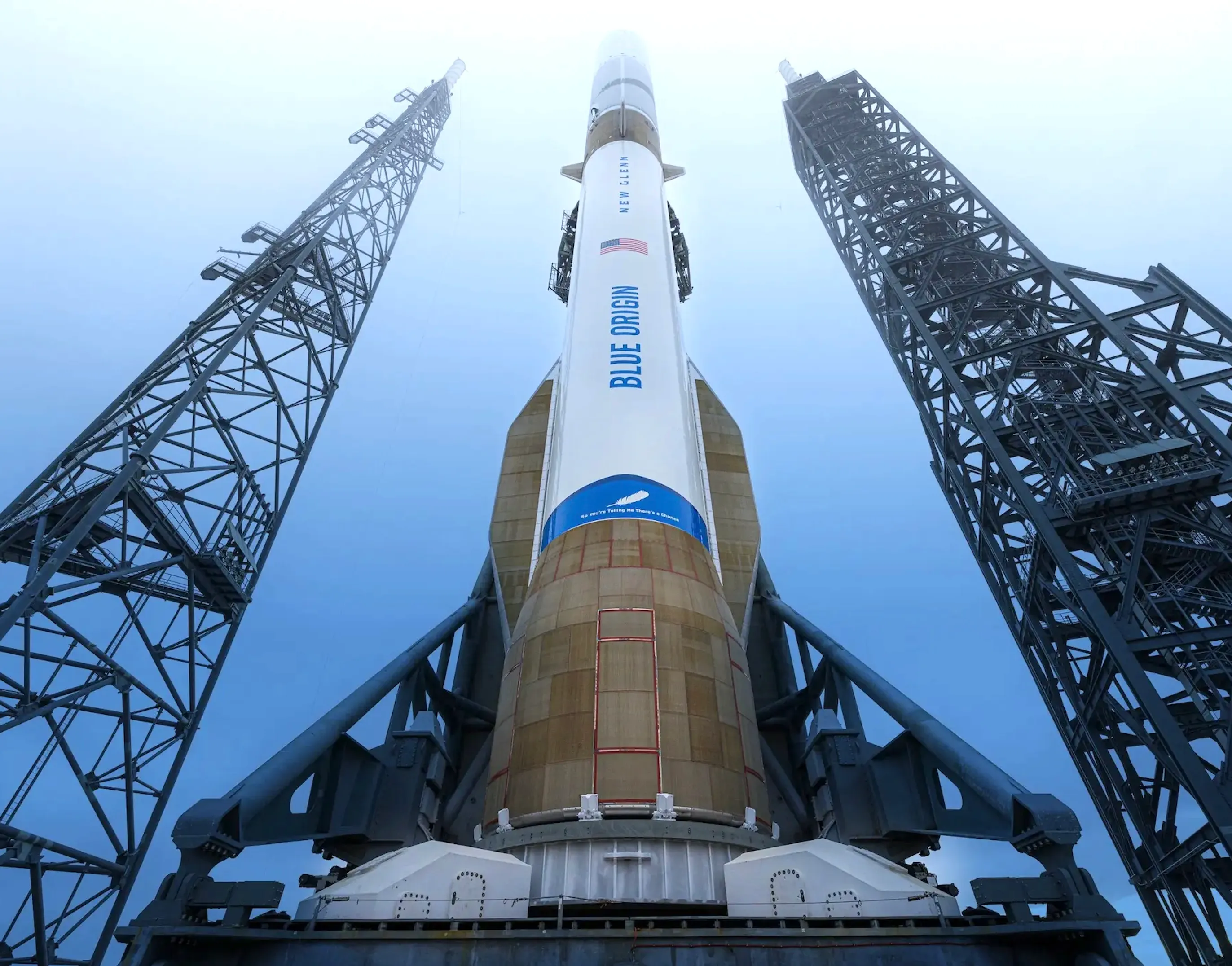
Blue Origin’s New Glenn rocket suffered a catastrophic failure during a static fire test at Cape Canaveral Space Force Station in Florida on 28 May 2026. The company confirmed the anomaly occurred during testing ahead of the vehicle’s anticipated fourth launch, which was scheduled to deploy satellites for Amazon’s Leo internet constellation. Blue Origin stated that all personnel were accounted for and safe, though it did not immediately disclose the technical cause of the explosion.
The incident marks a significant setback for Jeff Bezos’ spaceflight company as it attempts to establish a reliable launch cadence in the commercial market. Blue Origin had planned up to 12 New Glenn launches in 2026, a schedule that includes critical missions supporting NASA’s Artemis lunar programme. The agency had recently highlighted Blue Origin’s expected role in those missions, making the current pause a potential disruption to broader government space objectives.
This failure follows a turbulent period for the New Glenn programme. Just weeks prior, the rocket’s third launch ended in total mission loss when the upper stage failed to deliver an AST SpaceMobile satellite into orbit. Despite that setback, the Federal Aviation Administration (FAA) had cleared New Glenn to fly again just last week following an investigation into the previous failure. The static fire explosion now suggests an extended pause in the programme while engineers determine the root cause of the anomaly.
The timing of the incident places intense scrutiny on Blue Origin’s ability to compete with SpaceX in the heavy-lift launch sector. Elon Musk commented on the incident via X, writing, “Most unfortunate. Rockets are hard.” While Musk’s remark reflected the inherent risks of rocketry, the failure underscores the technical challenges Blue Origin faces in maturing its vehicle to meet the aggressive launch targets set for this year.
Regulatory bodies and partners have yet to issue formal assessments. The FAA, NASA, and the US Space Force did not immediately respond to requests for comment regarding the impact of the explosion on ongoing oversight or mission schedules. Blue Origin is expected to conduct a thorough investigation before resuming flight operations, with the duration of the delay remaining uncertain but likely to affect subsequent Artemis and commercial deployments.