Blue Origin New Glenn explosion halts launch cadence, jeopardises NASA Artemis timeline
Jeff Bezos confirms personnel safety as NASA assesses impact on lunar lander contracts and Moon Base I mission scheduled for this fall.
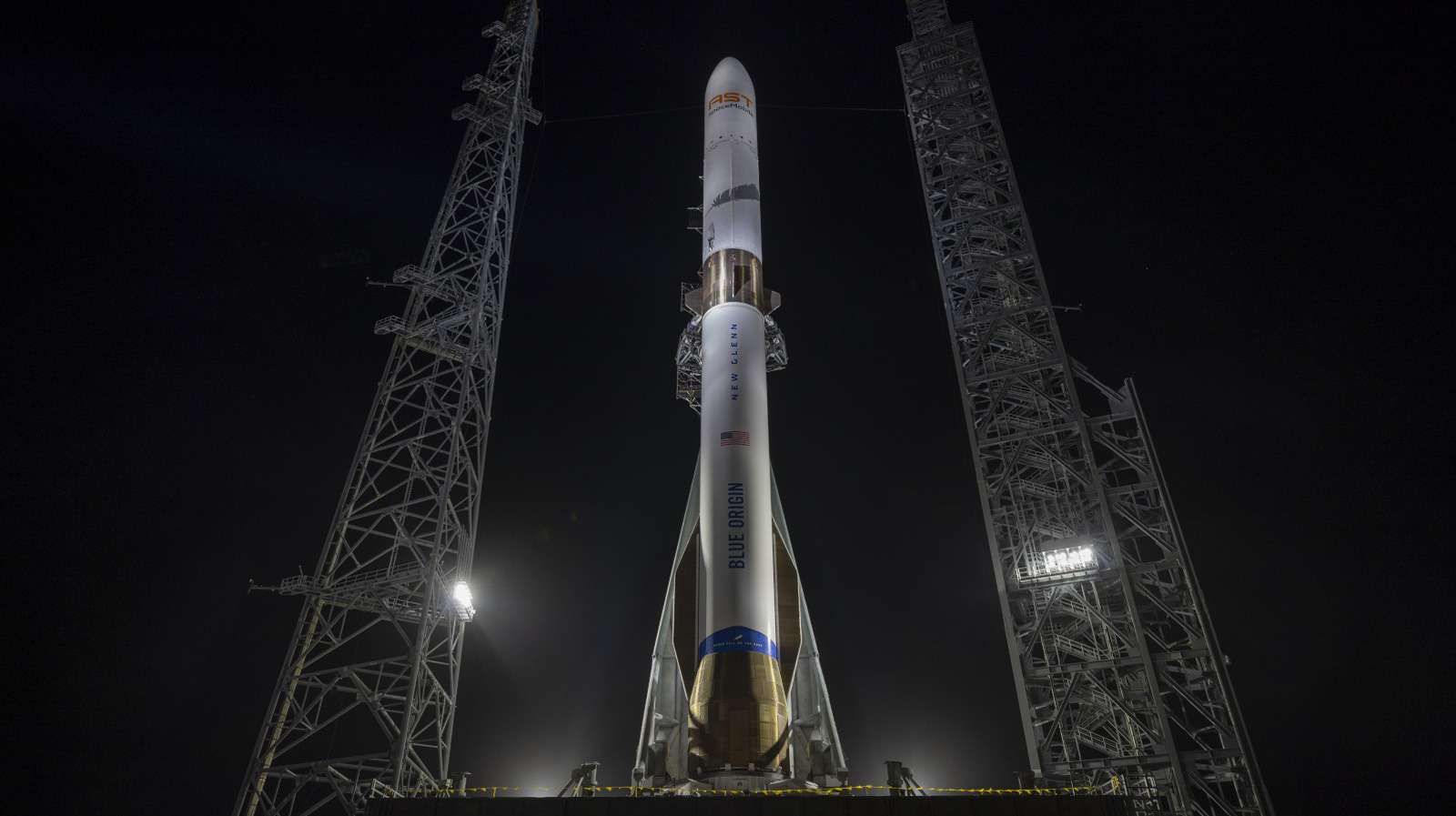
Blue Origin’s New Glenn rocket suffered a catastrophic failure during a static fire test at Launch Complex 36, Cape Canaveral Space Force Station, on 28 May 2026. The explosion obliterated the vehicle, the launch structure, and surrounding equipment, marking a significant setback for the company as it attempts to establish a reliable launch cadence in the commercial space market.
Company owner Jeff Bezos confirmed on X that all personnel were safe and accounted for. “Very rough day, but we’ll rebuild whatever needs rebuilding and get back to flying,” Bezos stated, noting that the incident was “worth it” in the context of advancing heavy-lift capabilities. Blue Origin has initiated an investigation into the anomaly, though the root cause remains unknown at this stage.
The incident has immediate implications for NASA’s Artemis and Moon Base programmes. New Glenn is contracted to serve as a commercial lunar lander for both cargo and crew, and NASA selected Blue Origin over SpaceX for the Moon Base I mission, which is scheduled for launch this fall. With Launch Complex 36 being Blue Origin’s only operational pad for the vehicle, the destruction of the infrastructure could force the agency to reassess its timeline and partner strategies.
NASA Administrator Jared Isaacman acknowledged the anomaly on X, stating that spaceflight is unforgiving and developing new heavy-lift capability is extraordinarily difficult. He confirmed that the agency would work with partners to support a thorough investigation, assess near-term mission impacts, and provide updates on any effects to the Artemis and Moon Base programmes as information becomes available.
This failure follows a previous mission that failed to place its payload into orbit, leading to a Federal Aviation Administration (FAA) grounding. The FAA determined that a cryogenic leak had frozen a hydraulic line, causing a thrust anomaly during the second-stage engine burn. Blue Origin had recently received clearance to resume launches, with the upcoming mission intended to deploy satellites for Amazon’s Leo internet constellation.
Construction on a second launch site, LC-36B, is in its early stages, but reports suggest it could take several months to repair the current pad. It remains unclear whether the completion of the new site will proceed quickly enough to mitigate delays to the company’s broader operational goals.
