Blue Origin CEO disputes NASA timeline, pledges New Glenn return by 2026
Dave Limp asserts propellant infrastructure remains intact and the support tower is repairable in situ, challenging Administrator Jared Isaacman’s estimate that the site will not be operational until 2028.
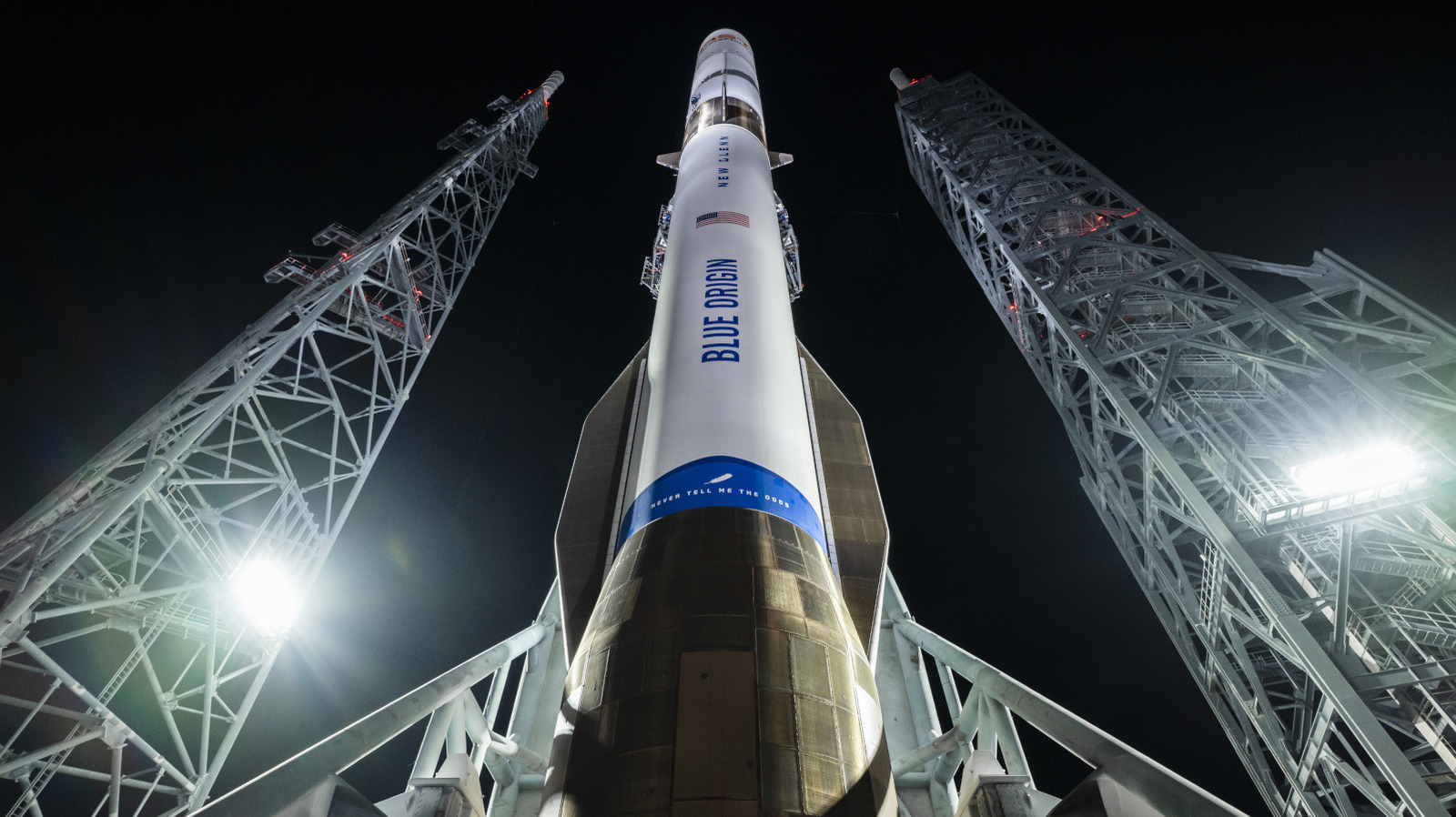
Blue Origin chief executive Dave Limp has publicly challenged the projected timeline for the restoration of Launch Complex 36, asserting that the New Glenn rocket will resume flights before the end of 2026. This statement directly contradicts the assessment provided by NASA Administrator Jared Isaacman, who indicated that repairs to the facility, which suffered an explosion on May 28, may not be completed until 2028.
The divergence in timelines follows an incident during a hotfire test for New Glenn’s fourth mission, which grounded the vehicle pending investigation. While Isaacman toured the Cape Canaveral site on May 29 and described the restoration process as requiring "serious time," Limp provided a more optimistic outlook in a post on X, stating, "We will fly again before the end of this year."
Limp’s confidence stems from an initial assessment of the damage now that Blue Origin has regained access to the launchpad and integration facility. The company reported that the propellant farm, including oxygen, liquid hydrogen, and liquid natural gas tanks, remains in good condition. Limp noted that these are critical long-lead items, and their preservation significantly aids the repair effort.
Regarding the structural damage, Limp confirmed that the support tower is compromised but can be repaired in place rather than requiring a complete teardown and replacement. This distinction is pivotal for the schedule, as replacing the tower would likely extend the downtime considerably. The exact cause of the May 28 explosion remains unclear, though the vehicle had previously been grounded by the Federal Aviation Administration following a cryogenic leak that prevented its third mission from reaching orbit.
The urgency to restore Launch Complex 36 is driven by Blue Origin’s contractual obligations to major government and commercial clients. The company is a primary launch provider for NASA’s Artemis and Moon Base programmes, with New Glenn being instrumental for these goals. NASA has specifically selected Blue Origin for the Moon Base I mission, scheduled to launch in the autumn.
Commercial pressures also mount on the company, particularly from Amazon, which relies on Blue Origin to launch Leo satellites for its broadband service. The fourth mission was intended to deploy 48 Leo satellites, and delays impact Amazon’s deployment schedule. Blue Origin is developing a secondary launchpad at Vandenberg Space Force Base in California, having recently negotiated a lease for Space Launch Complex 14. However, that facility is not expected to be ready until 2028, leaving Launch Complex 36 as the immediate operational priority.
