Blair warns Labour’s ‘self-delusion’ risks electoral defeat in scathing policy critique
A 5,700-word essay published Tuesday night accuses the current government of losing the centre ground and weakening Britain’s global standing, prompting a sharp rebuke from senior Labour figures.
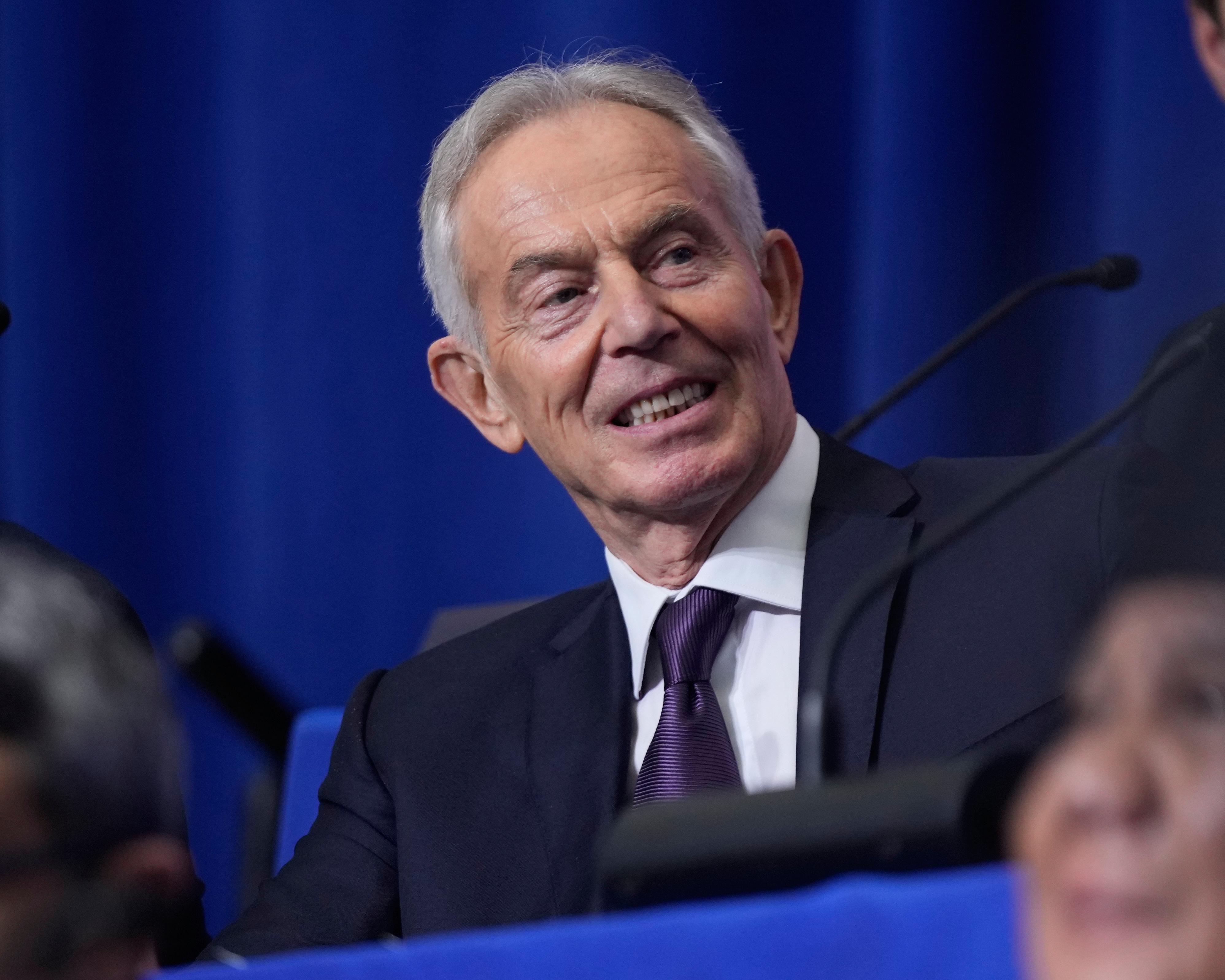
Former UK Prime Minister Tony Blair has issued a stark warning to the Labour leadership, arguing that the party’s “almost infinite capacity for self-delusion” is jeopardising its prospects in the next general election. In a 5,700-word essay published on Tuesday night, Blair urged Prime Minister Keir Starmer to abandon net zero targets, lift restrictions on oil and gas extraction, and repair diplomatic relations with US President Donald Trump. The intervention marks a highly unusual public critique from a former Labour prime minister, targeting both the government’s current trajectory and the policy proposals of leadership contenders Andy Burnham and Wes Streeting.
Blair argued that the government’s approach to domestic policy has created significant headwinds for British business. He specifically cited Angela Rayner’s employment rights bill, Ed Miliband’s net zero drive, and Rachel Reeves’ decisions regarding the minimum wage, national insurance, and non-dom tax status as measures that hinder economic competitiveness. The former prime minister contended that the government should have abandoned commitments on workers’ rights and fossil fuel licenses early in its term to secure business goodwill, blaming the current fiscal situation for any necessary policy reversals.
The essay also addressed Britain’s international standing, with Blair asserting that the nation’s influence has diminished significantly since his tenure. He criticised cuts to international aid and the government’s handling of the US war with Iran, arguing that strategic coherence is essential for maintaining trust with allies. Blair dismissed calls to reverse Brexit, stating that Britain must first restore its economic competitiveness before attempting to negotiate a new deal with Europe, describing current efforts as negotiating from a position of weakness.
Blair directed sharp criticism at leadership rivals, describing their proposals as either too left-wing or based on ideas previously rejected by serious governments. He characterised Wes Streeting’s suggestions on capital gains and potential EU rejoining as “perennial delusions,” while accusing Andy Burnham of adopting a “far-left critique” that ignores the achievements of the previous Labour government. Blair maintained that the party’s principal problem is not a lack of charisma but a failure to develop a coherent plan for the country in a fast-changing world.
A senior Labour source responded to the essay by accusing Blair of abandoning social democratic values to embrace an agenda with “no answers” to national decline. The source described Blair’s position as being influenced by “tech bro fantasists” and noted that reheated Blairism offers no viable solutions to the challenges facing the party. Despite the internal friction, Blair insisted that forcing Starmer out before establishing a clear policy direction would be an irresponsible approach to governing.
The former prime minister concluded that without a radical but sensible agenda focused on deregulation, welfare reform, and strengthened transatlantic ties, Britain risks a long slide in global standing. He emphasised that the government is currently governing from a “soft left” comfort zone that fails to address the structural changes required to win a second term. The essay underscores the ongoing ideological tensions within the Labour Party as it navigates the political landscape ahead of the next election.