Blair warns Labour faces electoral defeat without policy overhaul
Tony Blair’s latest intervention criticises Labour’s “self-delusion” and calls for a strategic rethink on welfare, energy, and technology ahead of the next election.
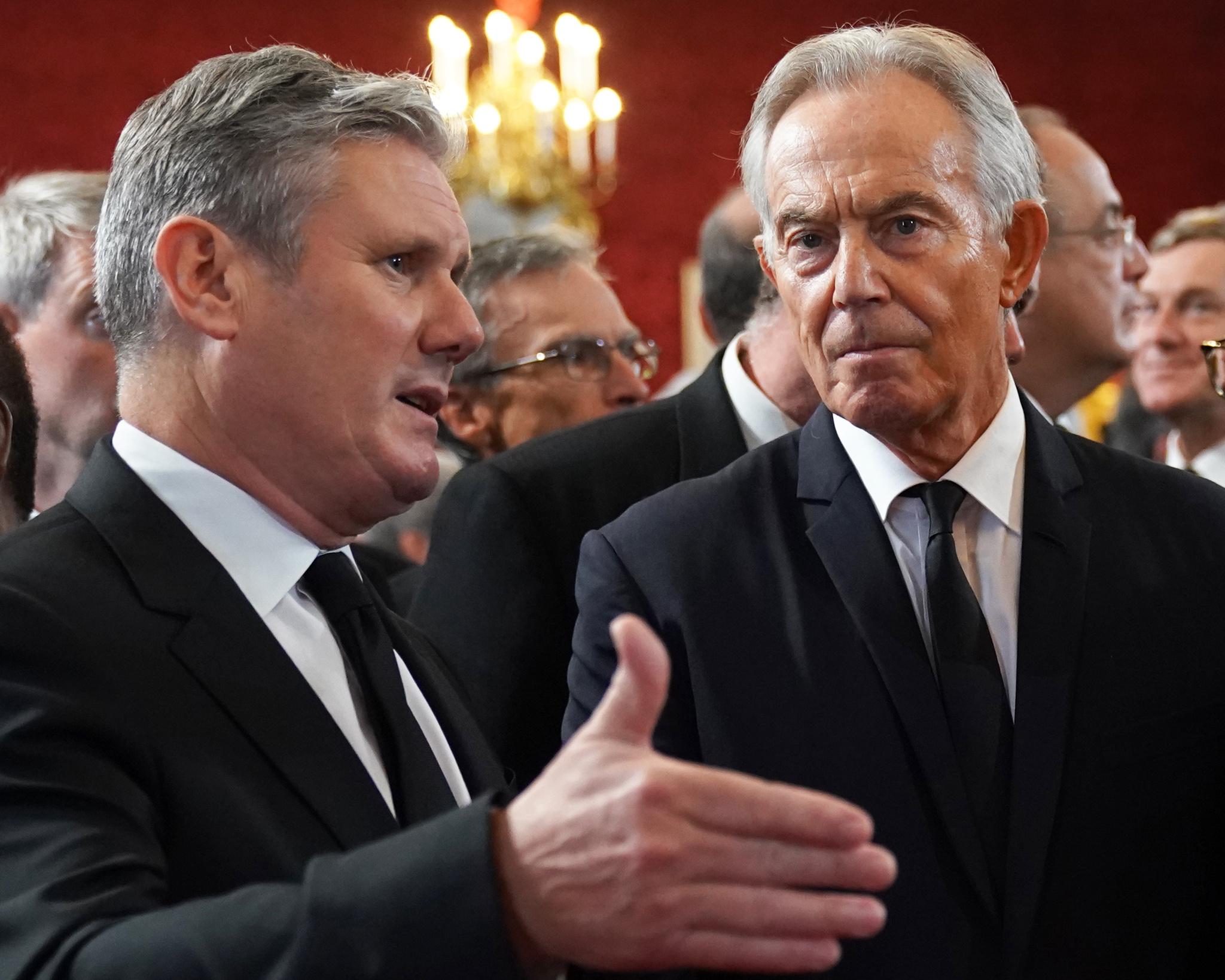
Former UK Prime Minister Tony Blair has issued a stark warning to the Labour Party, arguing that its “almost infinite capacity for self-delusion” places it on a trajectory to lose the next general election. In a 5,700-word essay published on Tuesday night and elaborated upon during an interview on BBC Radio 4’s *Today* programme, Blair urged the party to adopt a governance framework that prioritises policy over political expediency. He argued that without a clear strategic direction, Labour risks failing to address the structural changes reshaping the global economy.
Blair characterised Labour’s 2024 election victory not as a mandate for its policy platform, but as a rejection of the Conservative Party, describing the electorate’s view of Labour as merely an “acceptable alternative.” He insisted that future electoral success requires a fundamental shift in focus, particularly regarding the artificial intelligence revolution, which he likened to the transformative impact of the Industrial Revolution. Blair contended that this technological shift is set to change “absolutely everything” yet remains absent from the current political debate.
The former prime minister outlined specific economic adjustments he believes are necessary for long-term stability. These include cracking down on welfare spending, lifting restrictions on oil and gas production, and prioritising growth through robust support for the business sector. Blair highlighted a disparity in national spending priorities, noting that the country is in danger of spending more on incapacity and disability benefits than on defence, a imbalance he suggested undermines fiscal responsibility.
Addressing internal party dynamics, Blair insisted that any potential leadership change involving figures such as Keir Starmer, Andy Burnham, or Wes Streeting must be preceded by a detailed policy agenda. He told MPs to “force people to say where they stand” before backing a new leader, arguing that swapping personalities without a coherent policy direction would leave the country “shuffling the deck” without progress. He positioned his views within a “radical centre” framework, asserting that the best politics come from making big changes based on policy rather than traditional left-right tribalism.
The intervention drew immediate criticism from current Labour MPs, who dismissed the comments as outdated and poorly timed. York Central MP Rachael Maskell described the timing as “incredibly unhelpful” given the upcoming parliamentary byelections, suggesting Blair was arguing from the perspective of nearly three decades ago. Treasury minister Dan Tomlinson added that “things have moved on” since the 1990s, citing the current government’s efforts to reform the planning system and increase housing supply as evidence that Labour is addressing modern challenges differently than Blair’s administration did.