BJ’s Wholesale pivots to affluent shoppers as economic pressure splits consumer base
CEO Bob Eddy outlines strategy to capitalise on high-income spending resilience while offsetting inflation for budget-conscious households through targeted pricing adjustments.
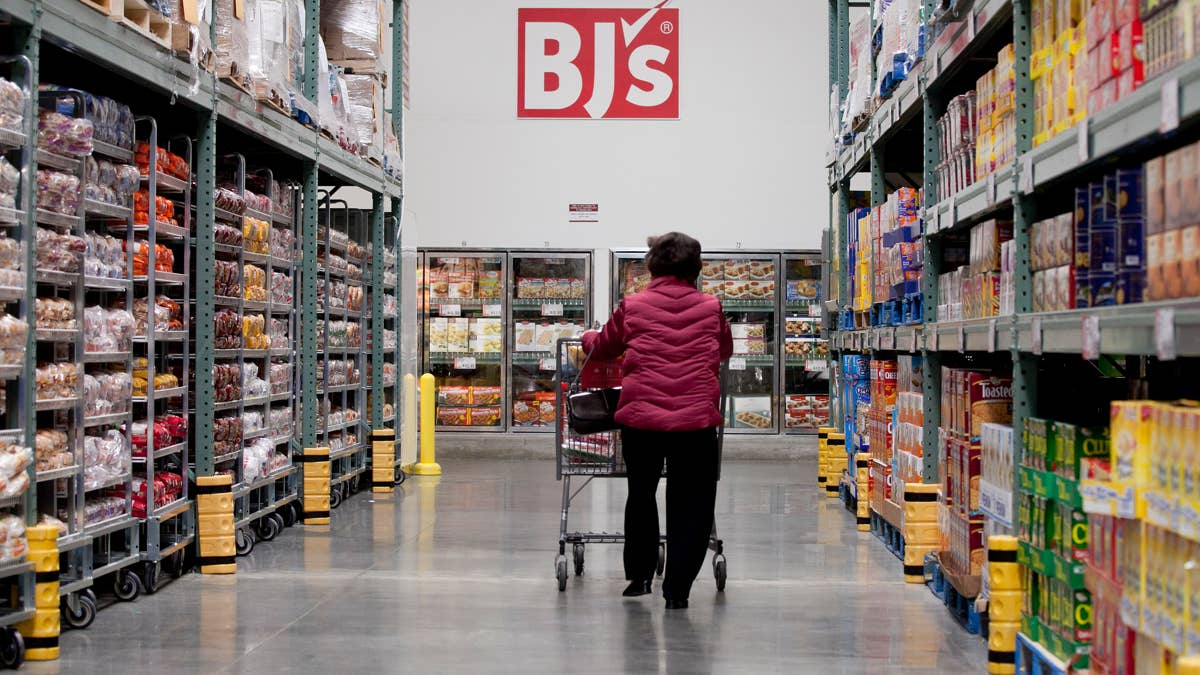
BJ’s Wholesale is undertaking a significant restructuring of its in-store product assortment as economic pressures create a sharp divergence in consumer spending habits. The company reported that comparable club sales rose 6.3 per cent in the first quarter of 2026, a figure heavily distorted by a surge in fuel purchases. Excluding gasoline, sales growth was a modest 1.5 per cent, highlighting uneven demand across the broader retail portfolio.
Data from Placer.ai indicates that visits to BJ’s gas stations spiked by 17.2 per cent year-on-year during the week of March 9 and by 21.7 per cent during the week of April 6. This traffic surge coincided with rising national fuel costs, which averaged $4.52 per gallon following geopolitical tensions in late February. CEO Bob Eddy noted that members spent an additional $143 million at BJ’s gas stations in April alone compared to the previous year, underscoring the role of competitively priced fuel as a primary driver of foot traffic during periods of elevated energy costs.
Despite the volume boost from fuel, Eddy warned that discretionary spending remains under strain for many households. He stated that the vast majority of the company’s sales growth was driven by higher-income members who continue to shop consistently. In response, BJ’s plans to shift its product mix upmarket, increasing the proportion of higher-priced items in the good, better, and best tiers to cater to affluent customers who remain engaged with the brand.
Conversely, the company is doubling down on support for lower-income households that are facing financial pressure. BJ’s initiated a return of tariff refunds to members in the first quarter, resulting in approximately 0.5 points of deflation in retail pricing. The company is considering applying these savings to reduce prices on specific categories such as eggs and potentially gas if demand softens, aiming to retain loyalty among budget-conscious shoppers.
A survey by the A&M Consumer and Retail Group reinforces the challenging environment for value-driven retailers. The data shows that 61 per cent of consumers are making fewer grocery trips, while 50 to 60 per cent are switching to lower-priced retailers. Additionally, 35 per cent plan to purchase less-expensive brands as brand loyalty wanes amid financial constraints.
Looking ahead, BJ’s Wholesale forecasts that comparable club sales, excluding gasoline, will increase by 2 to 3 per cent year-on-year for the full fiscal year 2026. Chief Financial Officer Laura Felice stated that the outlook factors in all known variables, including the evolving tariff environment, as the company balances its dual strategy of serving affluent spenders and supporting cost-sensitive members.