Birmingham City Council enters fragmented era as Reform UK emerges as largest party
Reform UK gains 21 seats to become the dominant force on the council, while Greens and pro-Gaza independents also make significant inroads into the 101-seat chamber.
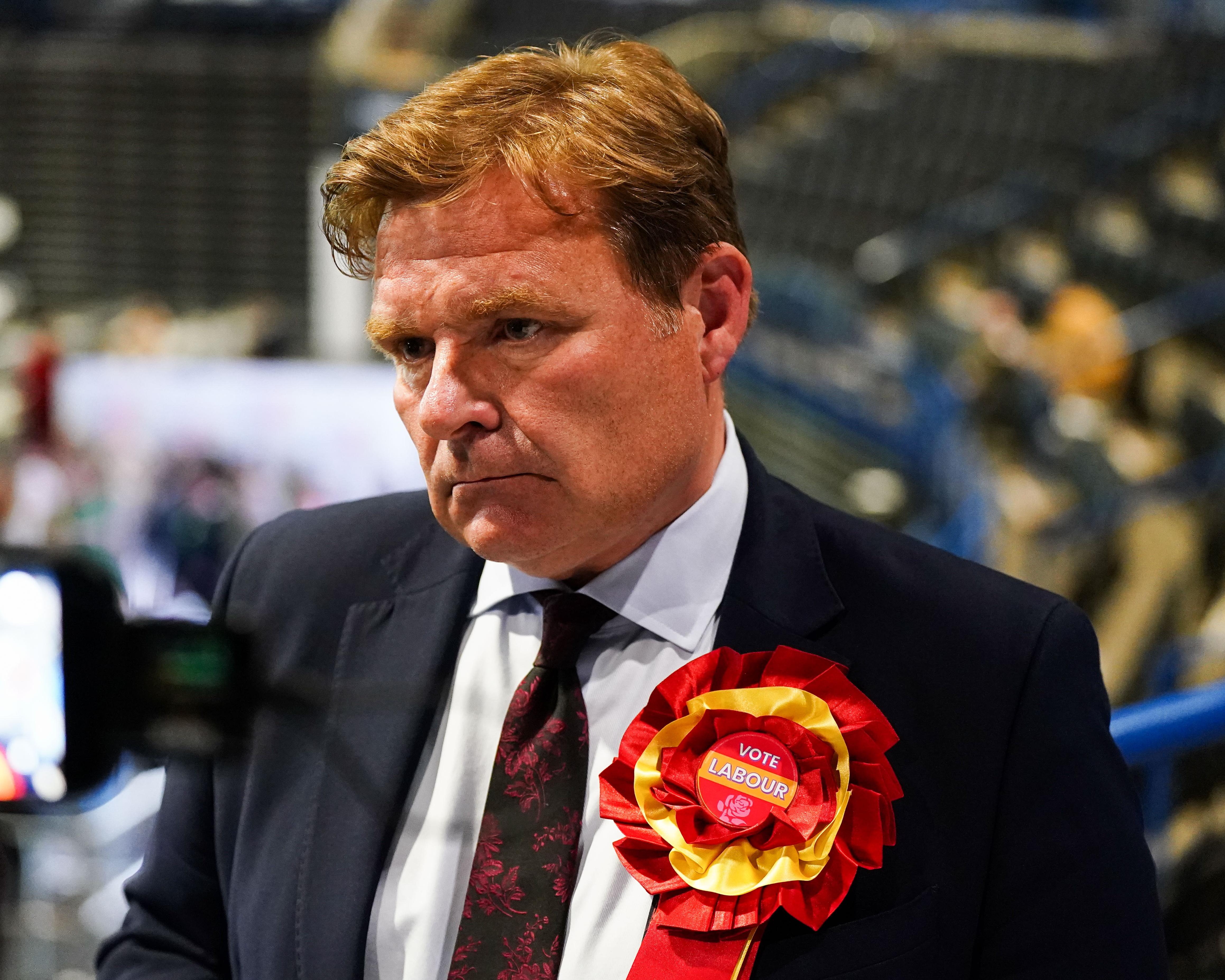
The Labour party has concluded its fourteen-year tenure as the governing force of Birmingham City Council after failing to retain control in the recent local elections. The results have left the council in a state of political fragmentation, with no single party securing an overall majority despite the significant shifts in representation.
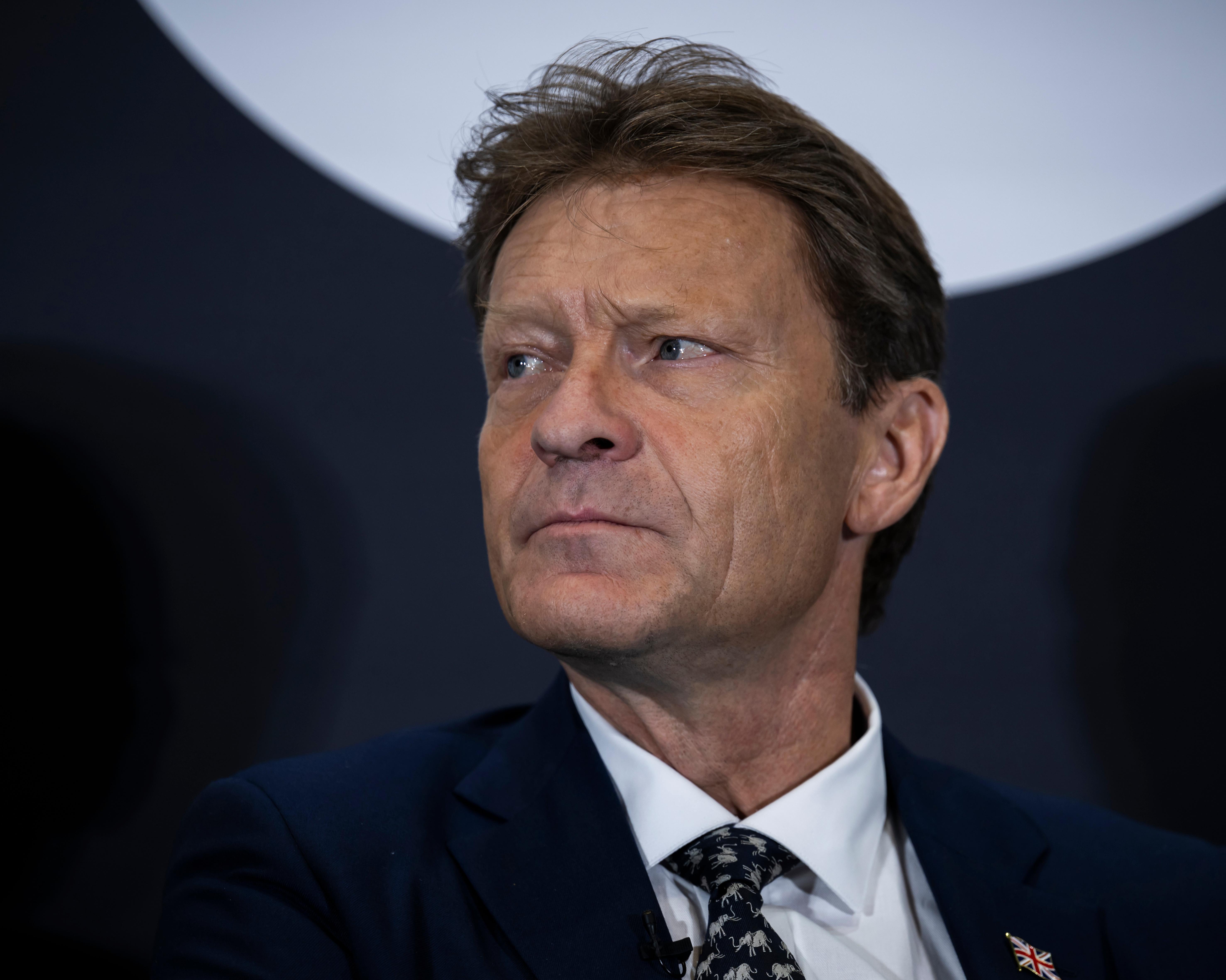
Reform UK has emerged as the largest party on the council, having secured 21 seats during the contest. This gain places them ahead of the Labour party, which lost more than 30 seats across the chamber. The Greens also achieved notable success, winning 11 seats, while pro-Gaza independents captured 10 positions, including the Alum Rock ward.
The outgoing leader of the Labour party, John Cotton, attributed the defeat to a failure to effectively communicate the government's vision to the electorate. Cotton defended his record on financial management, noting the necessity of difficult decisions to restore balance to the £4.4bn budget and address long-standing challenges such as equal pay. He acknowledged that the party must now tell the story of the government's achievements in a more coherent and systematic manner.
Conversely, independent candidate Nosheen Khalid, who was elected to represent the Alum Rock ward, stated that voters had reached a point where they had "had enough" of the Labour party. She highlighted specific grievances regarding the council's declaration of bankruptcy in 2023 and subsequent cuts to youth services, arguing that the party was no longer a suitable political home for many constituents.
Khalid has ruled out any potential cooperation with Reform UK, describing the party as divisive despite its emergence as the largest group. She emphasised that her campaign focused on child poverty, overcrowding, and the lack of youth centres, while denying claims of antisemitism or homophobia regarding the platform of some independent candidates.
The prospect of governance in the second-largest city in Europe remains uncertain, with a former Liberal Democrat councillor warning that the outcome could result in a "somewhat of a bugger's muddle". With the council managing a complex budget amidst ongoing service cuts and bin strikes, the path forward for a stable administration appears unclear.