Big Ten weighs self-governance as federal action stalls
Ohio State athletic director Ross Bjork argues that the current national system is restrictive, while Commissioner Tony Petitti links any shift to progress within the College Sports Commission.
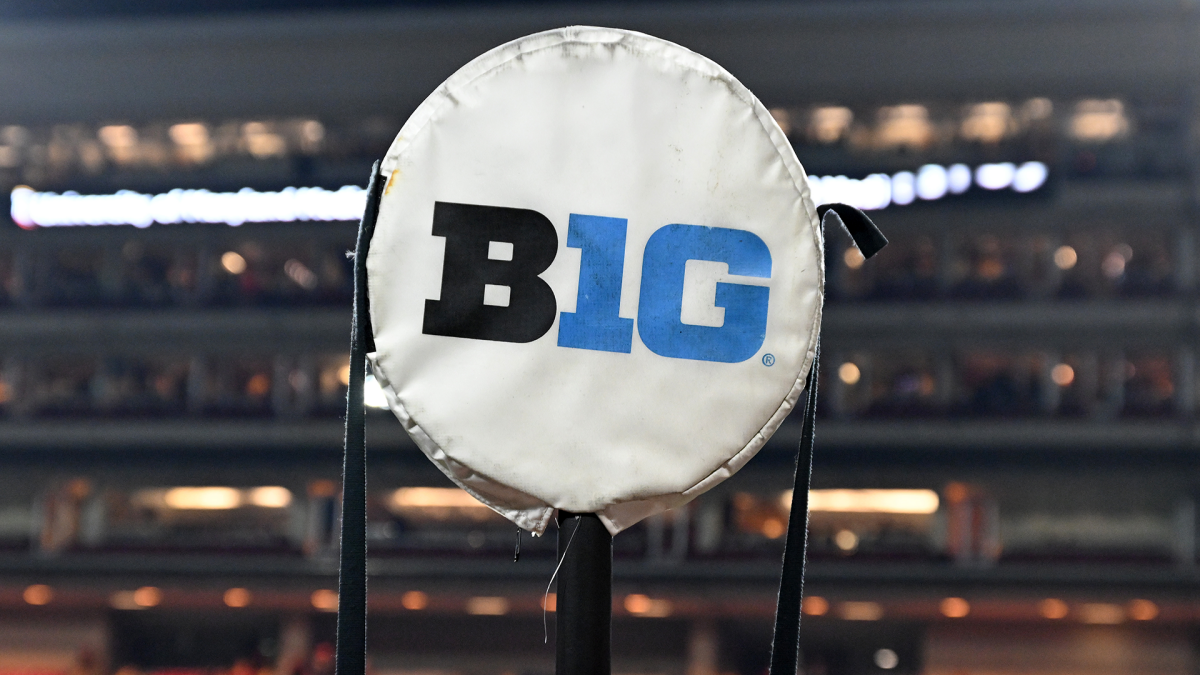
Big Ten conference officials are evaluating a contingency plan to establish an independent self-governance framework for revenue sharing and Name, Image, and Likeness (NIL) regulations. This potential shift is driven by dissatisfaction with the College Sports Commission’s enforcement capabilities and stalled federal legislation, specifically the withdrawal of the SCORE Act from the House floor.
Ohio State athletic director Ross Bjork stated that the Big Ten cannot currently govern nationally due to "extenuating forces" and is discussing a contingency plan where the conference sets and polices its own rules. Big Ten commissioner Tony Petitti linked any potential shift in enforcement to progress within the CSC, noting that changes are not solely dependent on congressional action.
The CSC’s NIL clearinghouse has resolved only 45% of third-party deals within the mandated 24-to-48-hour window, indicating significant operational bottlenecks. An arbitrator recently halted the CSC’s decision to deny 18 NIL deals between Nebraska football players and Playfly Sports, citing disputes over the definition of an "associated entity."
Bjork proposed scrapping the House settlement’s revenue-sharing cap, which is based on the average revenue of all six power conferences, in favour of a model based solely on the Big Ten’s own average revenue. The SCORE Act, intended to codify the House settlement terms and provide antitrust protection, was pulled from the House floor this week.
A bipartisan Senate effort led by Senators Ted Cruz and Maria Cantwell is still being negotiated and has not yet been introduced. The SEC and Big Ten notably did not sign a letter supporting the pending Senate legislation, unlike the ACC and Big 12 commissioners.
Big Ten athletic directors reported they have not yet seen the text of the proposed Senate bill, citing this as a source of anxiety. A federal appeals court ruling in Choh v. Brown University upheld the Ivy League’s prohibition on athletic scholarships, suggesting conference-by-conference rule-making may survive antitrust scrutiny more effectively than NCAA-wide rules.
Oregon coach Dan Lanning and USC coach Lincoln Riley expressed frustration with the lack of parity and the complexity of the current system, with Riley advocating for a rule-making model similar to the NFL’s. The Big Ten Council of Presidents and Chancellors, along with state attorneys general and public university boards, are identified as key stakeholders in developing a legal framework for self-governance.