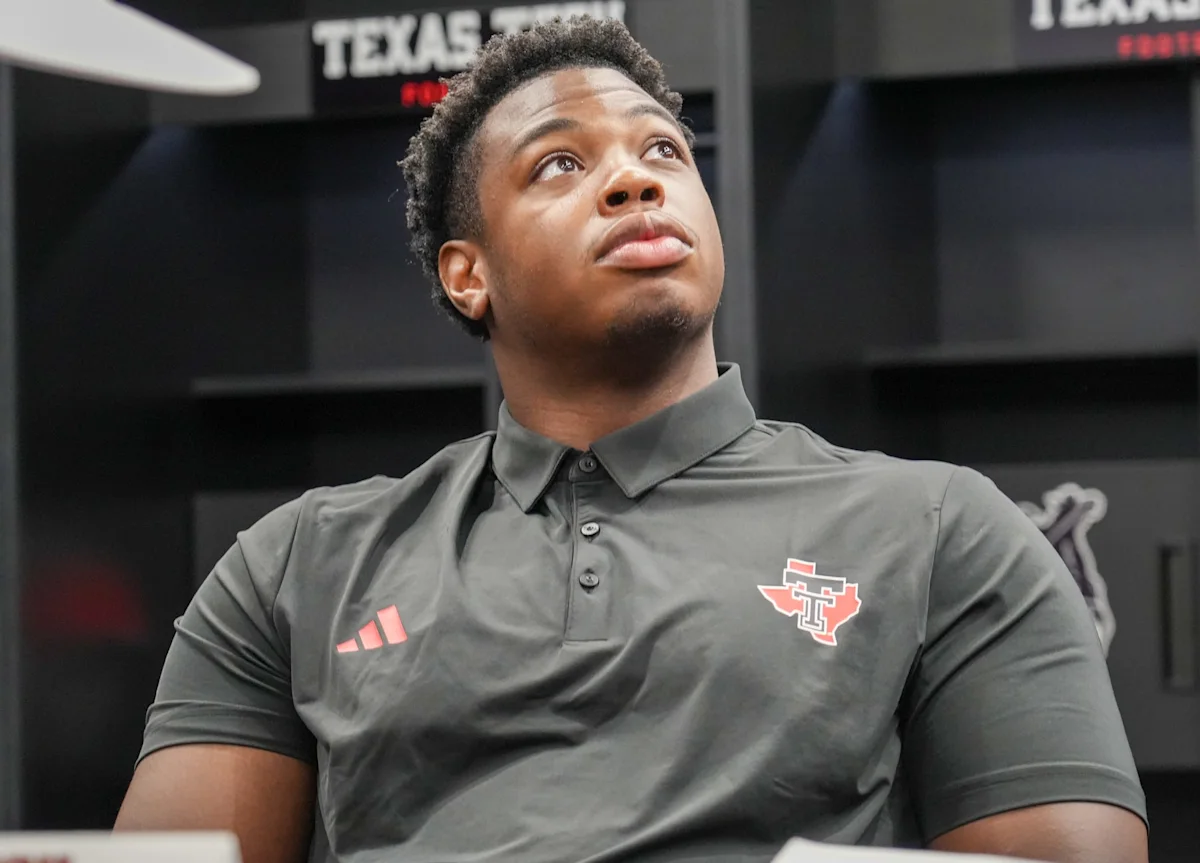
Big 12 isolation deepens as Texas Tech defies conference pressure over Sorsby
Texas Tech’s refusal to bench quarterback Brendan Sorsby, despite his admissions of betting on college football, has triggered a unified backlash from the Big 12 and rival conferences, raising fears of a fractured collegiate athletics landscape.
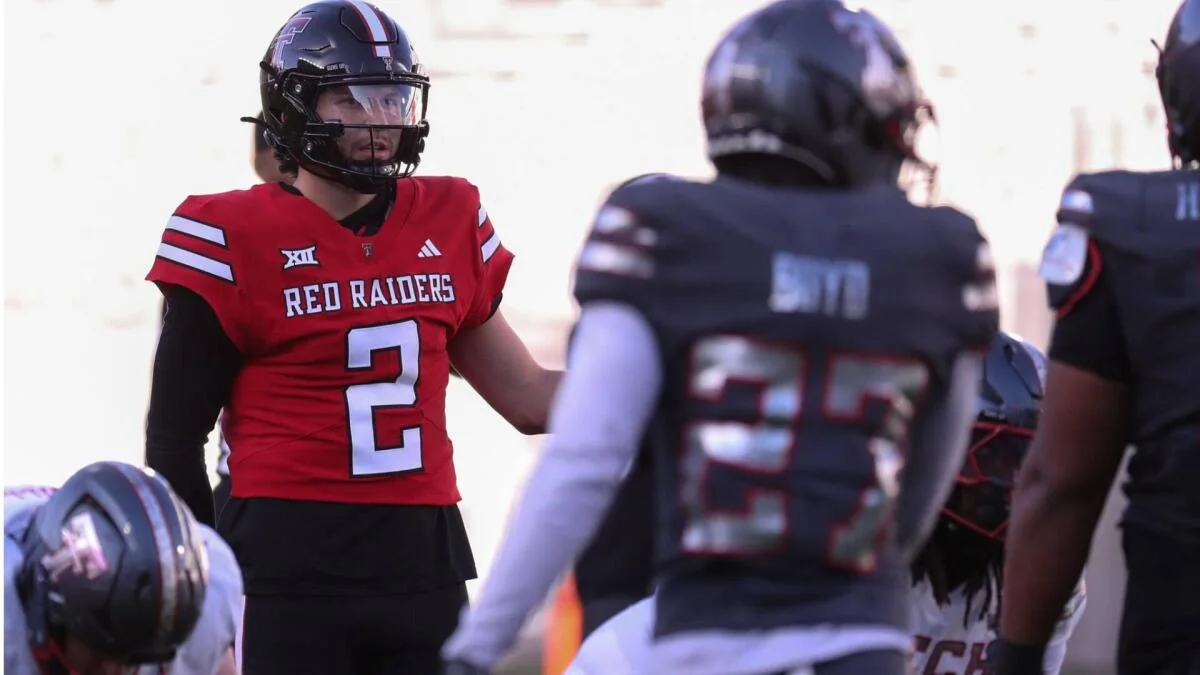
Texas Tech University is facing intense institutional pressure from the Big 12 Conference and national college athletic leaders to withdraw support for quarterback Brendan Sorsby, despite a court injunction permitting him to compete this season. Sorsby has admitted to betting on college football games multiple times, including matches involving his own team. The Big 12 has demanded Texas Tech remove Sorsby from the roster, warning that allowing him to play could trigger severe consequences, including scheduling boycotts by schools such as Georgia and Nebraska, and potential fragmentation of the NCAA structure.
A meeting of Big 12 athletic directors on Tuesday resulted in a unified stance that only Texas Tech believes Sorsby should play this season. Conference Commissioner Brett Yormark has ordered school leaders to remain silent while he calculates his next move, with the onus placed on Texas Tech to resolve the dispute. The outrage among coaches, athletic directors, and presidents is described as practically universal, with integrity cited as paramount to the sport.
Georgia and Nebraska have announced they will no longer schedule Texas Tech, a move described by CBS Sports reporter Brandon Marcello as a "warning shot." This escalation highlights a growing willingness among college leaders to make radical decisions as the pressure mounts. The Big 12 is reportedly not equipped to handle the potential seismic changes within and outside the NCAA model that could result from Texas Tech’s continued support of Sorsby.
The controversy has isolated Texas Tech within the broader collegiate landscape, with other conferences exploring self-governance models that could further disadvantage the Big 12. The Big Ten and SEC are reportedly exploring self-governance models, which could lead to a deeper competitive imbalance if the Big 12 is alienated. Concerns have been raised that if the Big Ten raises the revenue-sharing cap within the House settlement terms, the gap between Big Ten and Big 12 programs could become insurmountable.
Texas Tech’s board of regents chair, Cody Campbell, supports the decision to allow Sorsby to play, citing contractual and hardship grounds. Campbell’s approach has been described as both holistic and contradictory, as he supports the "Protect College Sports Act" while simultaneously funding record-breaking rosters at Texas Tech. The Big Ten and SEC already oppose the bill, raising concerns that Texas Tech may become an "enemy of the state" in legislative circles. A Mississippi judge previously found the NCAA acted in bad faith regarding quarterback Trinidad Chambliss’s eligibility, a case distinguished from Sorsby’s situation where the court cited breach of contract and hardship.