BHP’s $500m diesel gamble clashes with 2040 decarbonisation targets
Internal documents reveal BHP prioritised cost savings over climate strategy, drawing criticism from competitors and environmental experts who point to significant federal fuel tax rebates.
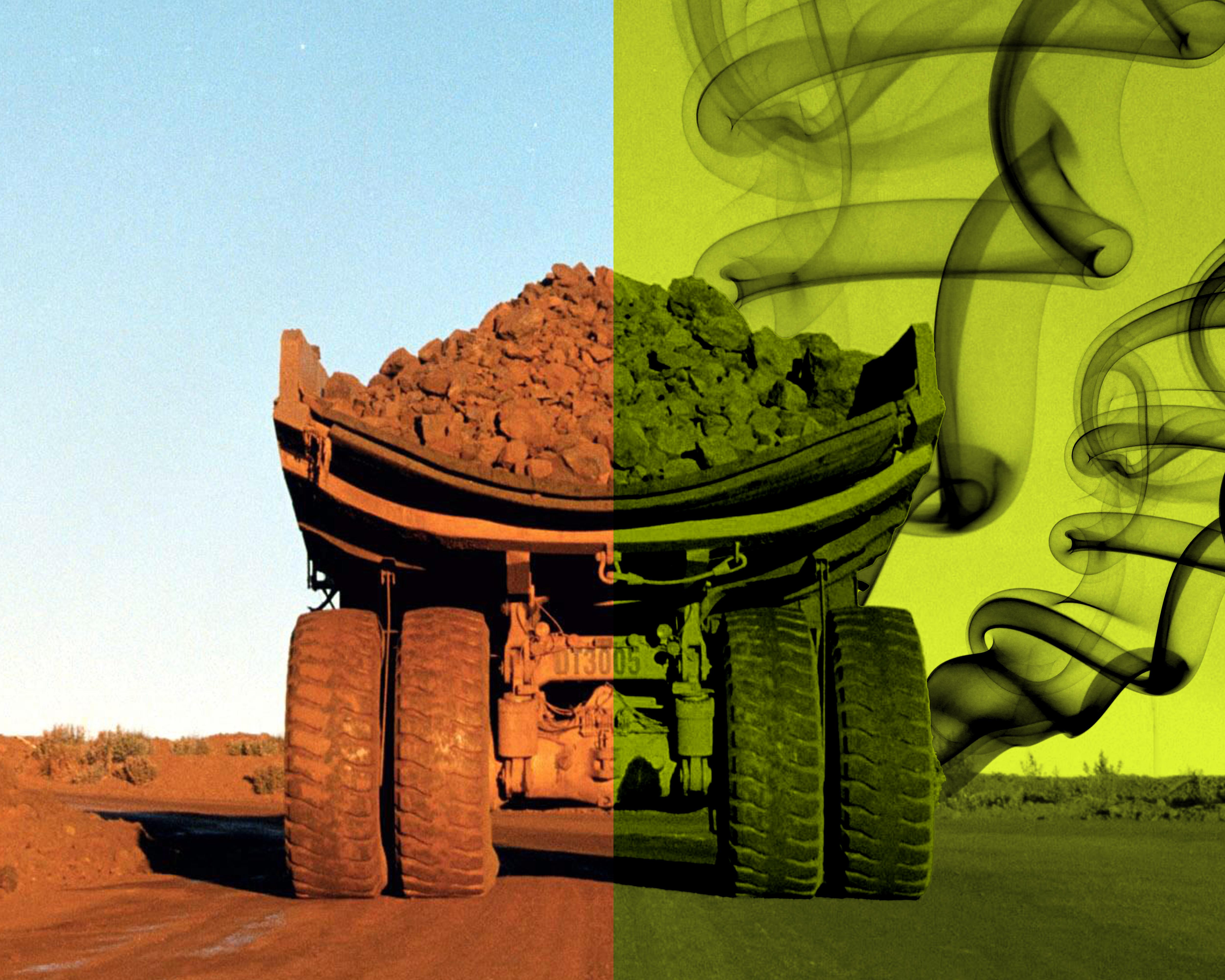
BHP has authorised the purchase of 62 new diesel haul trucks for its Jimblebar mine in the Pilbara, Western Australia, spending more than $500 million on equipment that internal documents suggest is misaligned with the company’s climate goals. The decision, confirmed in 2023, saw the mining giant abandon a 2022 strategy to refurbish existing fleets, opting instead for new diesel units after achieving a material reduction in cost.
The 2022 refurbishment plan was designed to extend the life of existing trucks by approximately eight years, creating a replacement window between 2030 and 2035 that would have aligned with BHP’s target to fully displace diesel by 2040. By switching to new diesel trucks, BHP pushed its next replacement cycle to between 2038 and 2041, a timeline the internal documents explicitly noted would be misaligned with the company’s decarbonisation strategy.
BHP attributes the delay in adopting battery-electric technology to low technology readiness, stating that no global mining operation currently runs a fully electrified haulage fleet at the scale and complexity of the Pilbara. In its 2025 annual report, the company flagged a dramatic slowdown in the transition away from diesel, citing delays in deploying battery-electric heavy mobile equipment and locomotives. The firm is currently trialling two 240-ton battery-electric haul trucks and four battery-electric locomotives at a Pilbara site.
This stance contrasts sharply with competitor Fortescue, which has ordered 360 battery-electric haul trucks from Liebherr and XCMG. Tim Buckley of Climate Energy Finance argued that BHP is prioritising federal fuel tax credits over climate commitments. Data shows BHP consumed 1.23 billion litres of diesel in the 2025 financial year and received $622 million in federal fuel tax credits, while simultaneously backing a Minerals Council of Australia campaign against limiting such rebates.
The company also plans to deploy diesel trucks at its proposed North mine, located roughly 85km north-west of Newman, which is expected to be operational until at least 2041. Public documents submitted to the Environmental Protection Authority of Western Australia indicate that direct greenhouse gas emissions from heavy haulage are expected to be the largest source at the site. Naomi Hogan of the Australian Centre for Corporate Responsibility stated that BHP has the capacity to accelerate technological advancements through procurement and asset design rather than delaying electrification.