BHP scraps Pilbara iron ore plant, raising questions on decarbonisation strategy
The decision follows leaked documents revealing a pattern of shelved green projects, intensifying scrutiny of Australia’s safeguard mechanism and the pressure on exporters to meet Chinese steelmakers’ decarbonisation requirements.
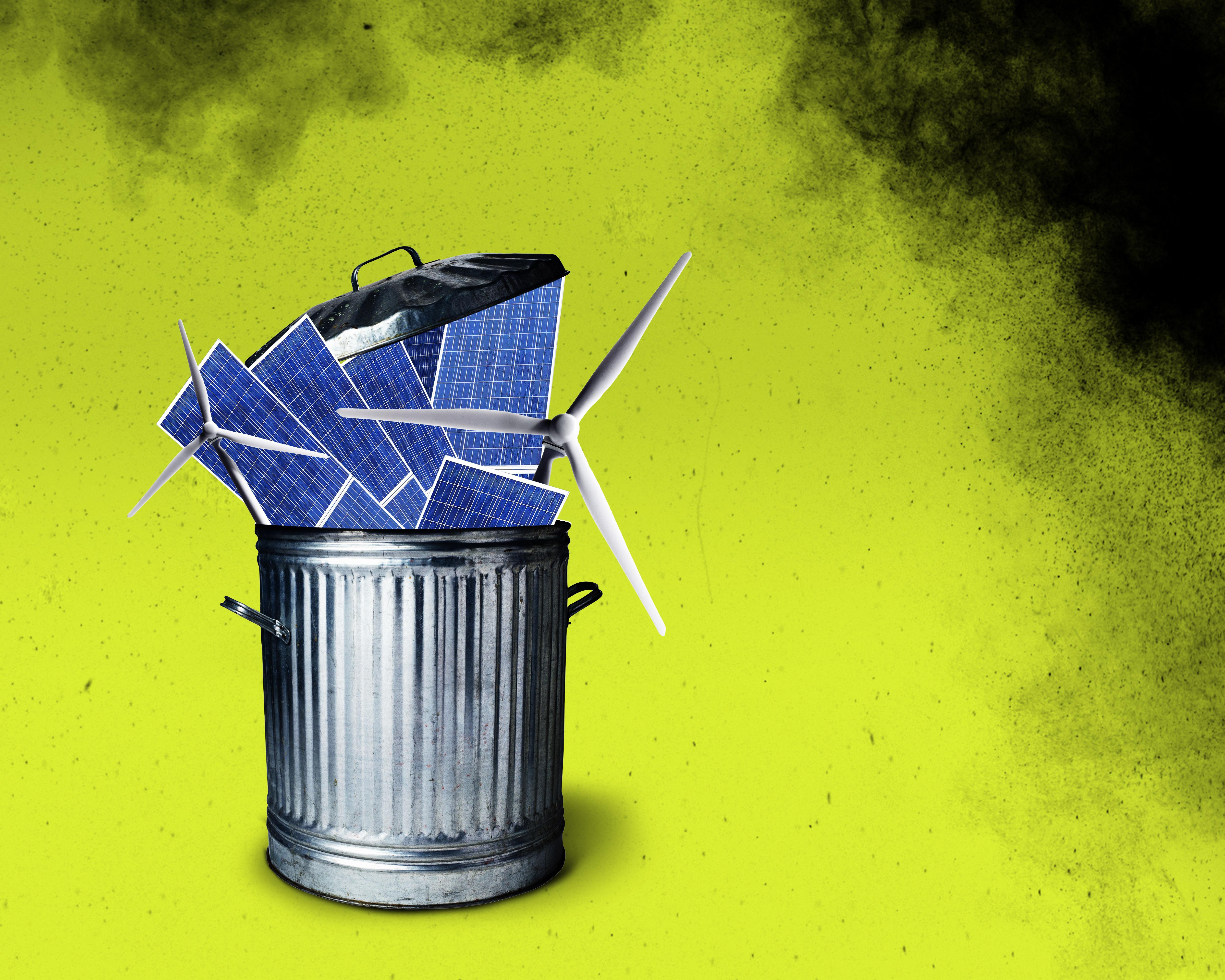
BHP has quietly cancelled plans to construct an iron ore beneficiation plant at its Jimblebar mine in the Pilbara, despite internal assessments rating the project as having excellent social value and aligning with its shareholder-endorsed climate targets. The facility, which was well advanced in June 2025, would have produced higher-grade ore for global steelmakers, potentially reducing scope-three emissions by 1.7 million tonnes annually. The company cited marginal economics and competition for capital with other projects as the primary reasons for shelving the facility.
The cancellation is part of a broader pattern revealed by leaked documents known as the BHP files, which show the mining giant has also shelved a 50-megawatt solar and 20MW battery project in the Pilbara, indefinitely delayed a nearly 500MW renewable storage system, and continued acquiring diesel trucks despite electrification pledges. These actions have raised serious questions about the effectiveness of Australia’s safeguard mechanism, the federal government’s key climate policy requiring large industrial facilities to cut greenhouse gas emissions intensity year on year.
Chinese steelmakers are under significant pressure to decarbonise due to the expansion of China’s national emissions trading scheme and the EU’s carbon border adjustment mechanism. Using higher quality iron ore is one of the cheapest ways for steelmakers to reduce their emissions, and the Jimblebar facility appeared to be a win-win for the miner, allowing it to charge customers a premium while helping them meet environmental targets. The project was estimated to reduce scope-three emissions by an amount equivalent to removing more than 350,000 cars from the road.
Experts note that Australia’s iron ore is typically composed of hematite, which makes green steelmaking more difficult unless it is processed first. Professor Christoph Nedopil from the University of Queensland stated that Chinese steel mills are now looking for greener sources of iron, suggesting that without meeting this demand, Australian ore producers may have to accept lower prices or reduce production. Professor Yansong Shen from the University of New South Wales described beneficiation plants as strategically important and a practical option to reduce steelmaking emissions, though he noted the economics are competitive and add complexity to the supply chain.
In a statement, BHP did not respond specifically to questions about the plant but said it had made significant progress on its scope-one and scope-two emission reduction targets. The company spent US$60 million on reducing potential scope-three emissions in the 2024-25 financial year and collaborated with 11 steel producers representing 22% of global steel production. It is also assessing other ways to reduce steelmaking emissions, including blast furnace abatement, carbon capture pathways, and investigating electric smelting furnaces.