Bezos calls for zero federal income tax for lower-income Americans
Comments come as political momentum builds for taxing the wealthy, including proposed wealth taxes in several US states and a New York City luxury property levy
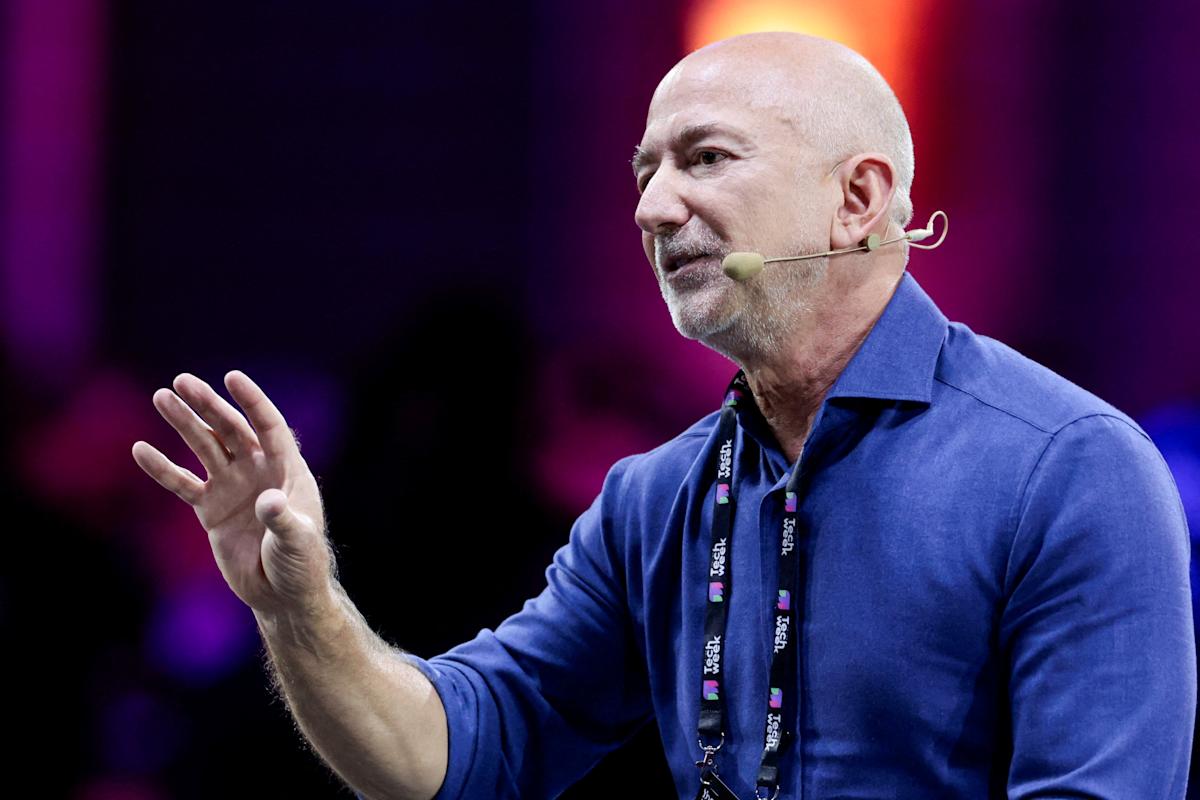
Amazon executive chairman Jeff Bezos has advocated for the elimination of federal income taxes for lower-income Americans, arguing that the policy would provide struggling households with greater financial flexibility. Speaking in an interview with CNBC, Bezos reflected on his upbringing as the son of a Cuban immigrant and a teenage mother, stating he wants to ensure those facing similar hardships have the chance to succeed. He cited data showing that the top 1 per cent of earners pay 40 per cent of taxes, while the bottom half of earners contribute only 3 per cent of all tax revenue.
Bezos used the example of a nurse in Queens earning $75,000 annually who pays more than $12,000 in taxes, suggesting that money could be better utilised for rent or groceries. His comments align with broader political momentum for taxing the wealthy, including proposed wealth taxes in several US states and a "pied-à-terre" tax on luxury second homes in New York City. Legislation such as Senator Cory Booker’s Keep Your Pay Act, which would exempt the first $75,000 of income from tax, has been introduced but has not yet advanced beyond the Senate Finance Committee.
Data from the Tax Foundation generally supports Bezos’ figures, indicating that in 2023, the top 1 per cent of taxpayers paid 38.4 per cent of all federal individual income taxes, while the bottom half, earning less than $53,801, paid 3.3 per cent of the total. However, the Tax Policy Center noted that approximately 76 million households paid no federal income tax in 2025, with many utilising the standard deduction and credits such as the earned income tax credit to reduce their liability.
Despite the focus on federal relief, Bezos acknowledged that eliminating federal income tax would not erase all tax obligations for low earners. State and local income taxes, payroll taxes, sales taxes, property taxes, and excise duties remain in place. An estimate by Self, a financial technology company, suggests the average American pays over $520,000 in taxes over their lifetime, with New Jersey residents paying the highest lifetime tax burden at nearly $987,000.
The proposal highlights the ongoing debate over tax equity in the United States. While Bezos argues that the wealthiest country in the world should stop taxing those who are struggling, the complexity of the tax code means that even with federal relief, households would still face significant tax obligations across various levels of government and consumption.