Bessent says China to assist in reopening Strait of Hormuz after Trump-Xi summit
Markets rallied as leaders issued joint statement affirming free flow of energy; Nvidia shares surge on chip sales approval
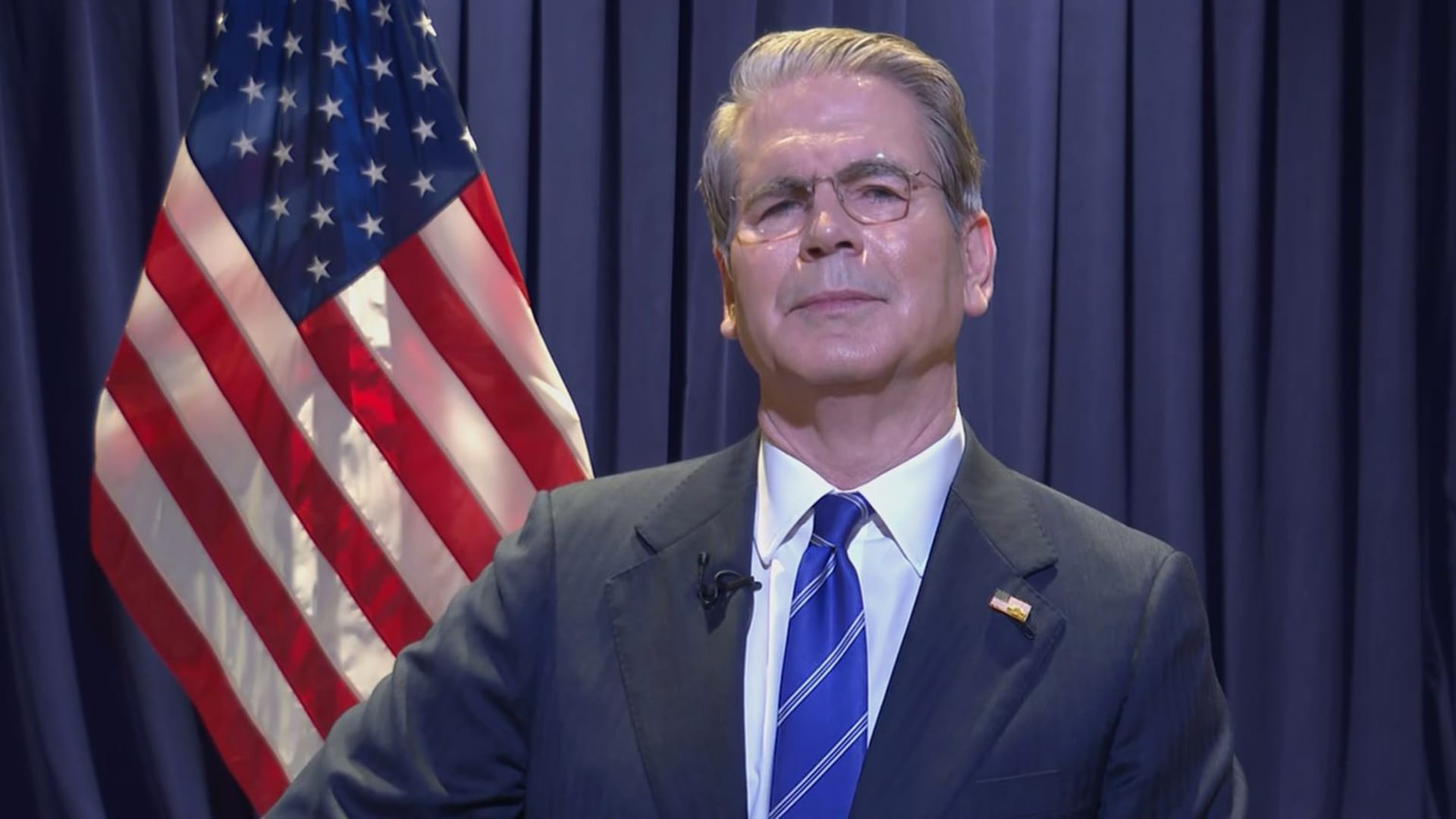
US Treasury Secretary Scott Bessent stated that China will engage in behind-the-scenes efforts to assist in reopening the Strait of Hormuz. The announcement came on Thursday following a two-day summit in Beijing between US President Donald Trump and Chinese President Xi Jinping. The comments mark the first visit by President Trump to China since 2017.
The leaders concluded their talks with a joint statement affirming that the Strait of Hormuz must remain open to support the free flow of energy. The White House confirmed that President Xi explicitly articulated China’s opposition to the militarisation of the strait and any attempts to impose tolls for its use. This diplomatic alignment addresses ongoing tensions surrounding the vital waterway, which has seen recent incidents including the seizure of a vessel linked to maritime security firms.
US stock markets rose on Thursday as the summit began, reflecting investor sentiment ahead of the diplomatic developments. The Dow Jones Industrial Average gained 0.8%, the S&P 500 rose 0.3%, and the Nasdaq Composite climbed 0.2%. The broader market rally was bolstered by separate news that the US approved H200 chip sales to Chinese firms, causing Nvidia shares to surge more than 2%.
The summit agenda also covered trade, artificial intelligence, and tensions involving Iran. While Bessent’s specific claim regarding China’s behind-the-scenes work was not elaborated upon in terms of mechanism or timeline, the joint statement underscores a shared interest in stabilising global energy flows. The phrase "reopen the Strait of Hormuz" implies a current disruption or blockade, though the precise operational status of the waterway was not detailed in the source material.
Bessent’s remarks position China as a key diplomatic actor in resolving the impasse. The White House readout confirmed that both leaders agreed on the principle of free navigation, signalling a coordinated approach to the geopolitical risks affecting energy markets. The outcome of these talks remains to be seen, but the immediate market reaction suggests optimism regarding the potential for de-escalation.