Berkshire Hathaway’s Abel Consolidates Portfolio, Divesting Visa and Mastercard
The former MidAmerican Energy executive retains American Express, citing its durable competitive advantage and fee-based model, while selling stakes in payment networks Visa and Mastercard.

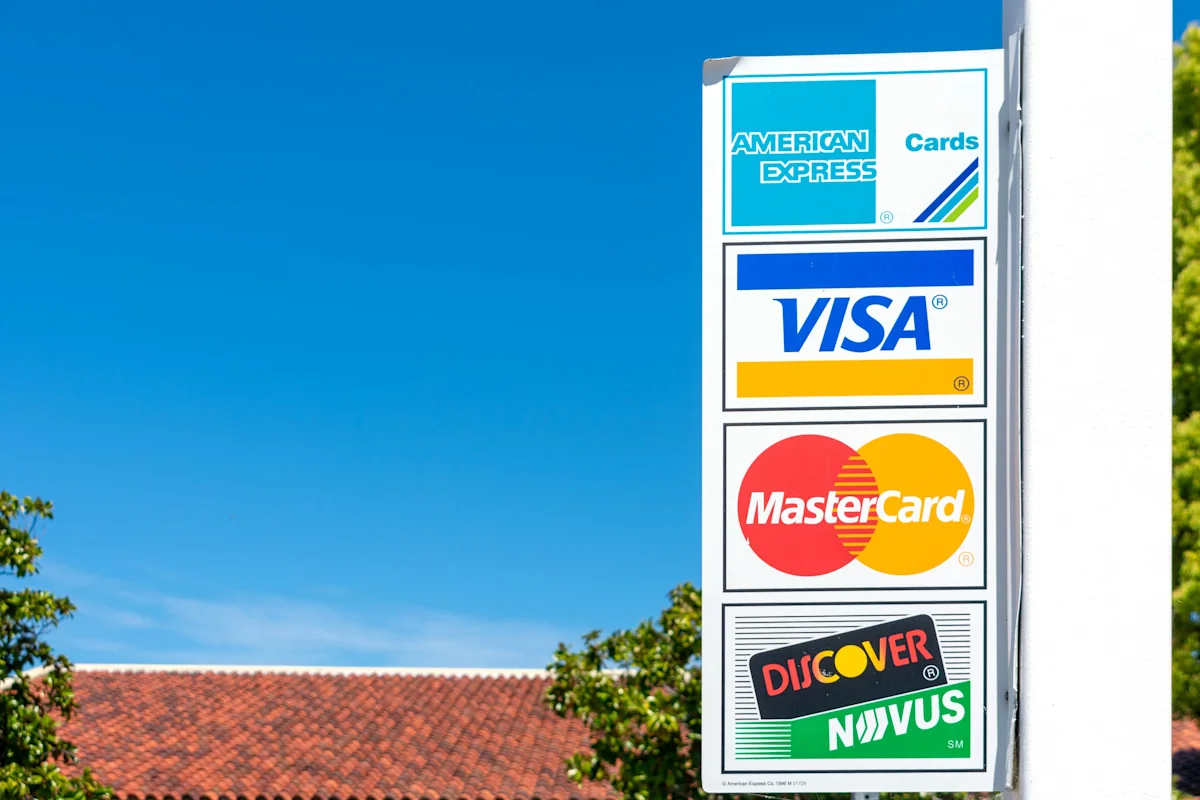
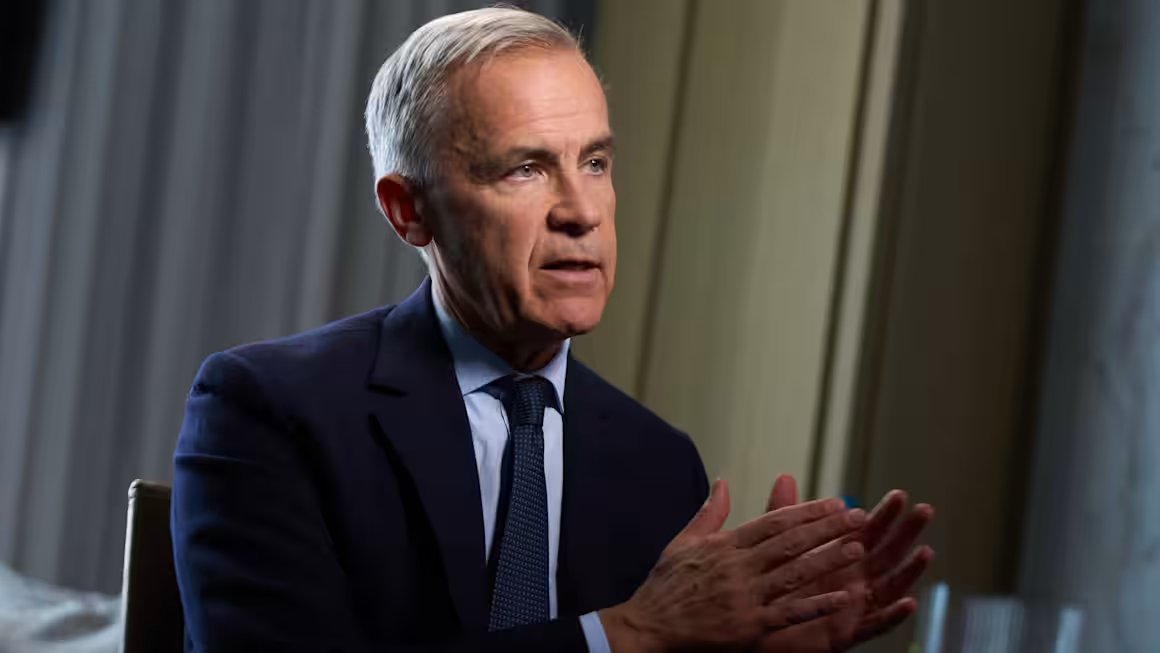
Greg Abel, chief executive of Berkshire Hathaway, has sold the company’s stakes in Visa and Mastercard during the first quarter of his tenure. The divestment marks a significant shift in the conglomerate’s capital allocation, as Abel moves to consolidate the firm’s $330 billion equity portfolio from 42 positions down to 29 high-conviction stocks. This strategy aligns with his stated intention to focus on businesses with the strongest competitive moats.
Visa represented the largest sale within the transaction, accounting for approximately 1% of the total portfolio, while Mastercard was a smaller holding that was also fully divested. By reducing exposure to these payment networks, Abel is streamlining Berkshire’s investment book to concentrate capital in assets he deems to have superior long-term durability.
In contrast to the sales of Visa and Mastercard, Abel retained Berkshire’s position in American Express. The credit card giant has long been a favourite of Warren Buffett, who has historically indicated he would never sell shares in the company, alongside Coca-Cola and Apple. Abel’s decision to hold American Express underscores a preference for its integrated business model over the asset-light network approach of its competitors.
American Express operates its own bank, allowing it to fund credit for its card business and keep fees in-house. This structure provides the company with tight operational control and the ability to hedge against high interest rates by charging higher rates on loans. In the first quarter of 2026, fees increased by 18% year-on-year and accounted for 14% of revenue, with 70% of new products being fee-based.
The financial performance of American Express has supported this strategic retention. Over the past five years, the company has outperformed both Visa and Mastercard by more than double, including dividends, and has beaten the S&P 500. While Visa and Mastercard operate as payment networks without exposure to credit risk, Abel and Buffett appear to view American Express’s ability to capture value across the entire customer lifecycle as a more compelling competitive advantage.