Berkshire Hathaway ends 14-quarter selling streak with $23.5 billion in stock purchases
Cash reserves fall to $365.5 billion as the firm acquires Alphabet shares at a discount and boosts buybacks to $4.53 billion in the second quarter of 2026.
Berkshire Hathaway has concluded a 14-quarter period of net stock selling, reporting purchases of approximately $23.5 billion in the second quarter of 2026. The shift marks the first time since the fourth quarter of 2022 that the conglomerate bought more stock than it sold, a trend that persisted through the latter stages of Warren Buffett’s tenure as chief executive. The pivot was largely driven by a significant capital allocation decision involving Alphabet, alongside a notable increase in the company’s own share repurchases.
The largest single transaction in the quarter was a $10 billion private placement of Alphabet shares, which accounted for more than 40% of Berkshire’s total stock purchases. Alphabet sold the shares directly to Berkshire on June 2, closing the deal on June 4, the same day the public offering occurred. Berkshire paid $351.81 for Class A shares and $348.20 for Class C shares, prices slightly below the public offering rates of $355.1982 and $351.8018 respectively. This discount, negotiated without the involvement of the 31-bank syndicate that led the public offering, resulted in Alphabet receiving approximately $12 million more in net proceeds from Berkshire than it would have from public buyers.
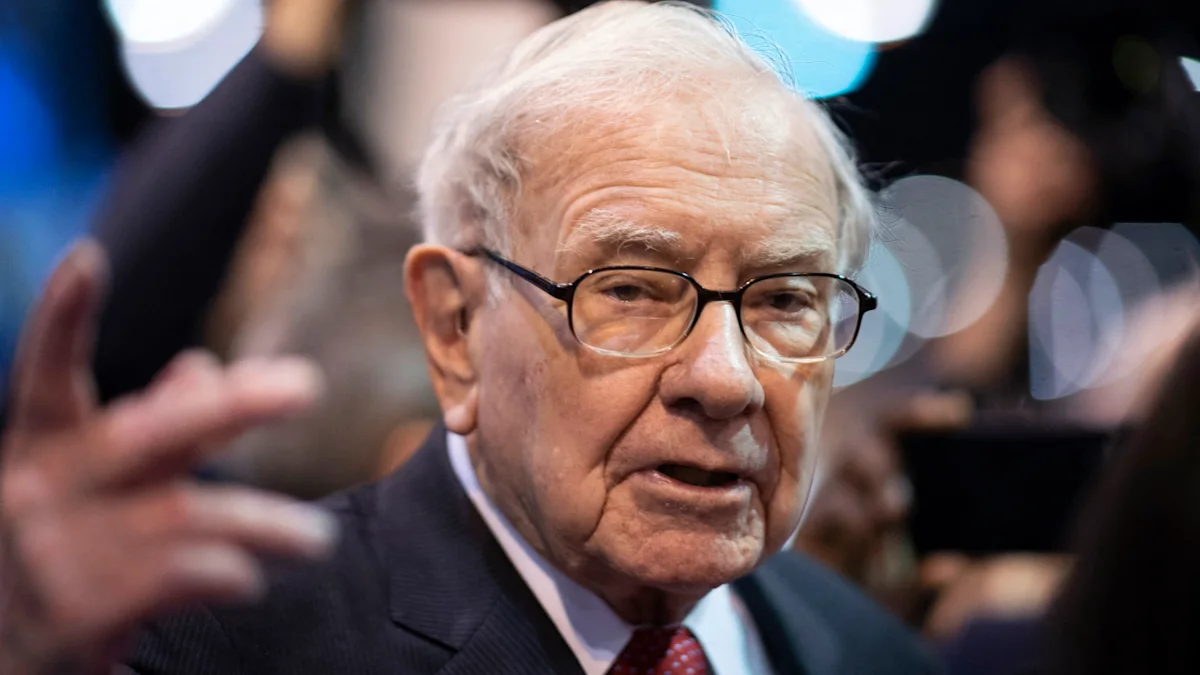
Berkshire’s cash reserves decreased to $365.5 billion from $397.4 billion at the end of the first quarter, representing the most significant drawdown in the company’s history. The reduction was necessitated by the Alphabet placement, which was part of Alphabet’s $84.75 billion effort to raise capital for artificial intelligence infrastructure. Buffett stated that he initiated the Alphabet deal, noting that Berkshire had begun building its stake in the third quarter of 2025. He also expressed regret that the firm had not purchased Google earlier, although he noted that he likes at least four or five other businesses Berkshire already owns more than Alphabet.
In addition to external acquisitions, Berkshire repurchased $4.53 billion of its own shares, a substantial increase from the $235 million spent in the first quarter. The buybacks were below analyst expectations, which had ranged from $5 billion to $11 billion. Buffett attributed the timing of the repurchases to his rule of only buying back shares when the price is low, noting that Berkshire’s share price had been falling while the broader market rose. The company’s share count continued to shrink after the quarter, with an implied $3.3 billion in additional buybacks between June 30 and July 29.
Operating earnings rose 16% to $12.98 billion, while net earnings roughly doubled to $25.67 billion. The quarter also saw the closure of the acquisition of homebuilder Taylor Morrison on July 24, a deal credited to Greg Abel, who became chief executive on January 1. Alphabet is now one of Berkshire’s five largest stock holdings, alongside American Express, Apple, Bank of America, and Coca-Cola, which together account for 66% of the firm’s stock portfolio.