Beijing rejects Nvidia H200 chip sales as China pivots to domestic AI hardware
Nvidia CEO Jensen Huang concedes the Chinese data centre market to rivals like Huawei as Beijing prioritises local supply chains over imported US technology.
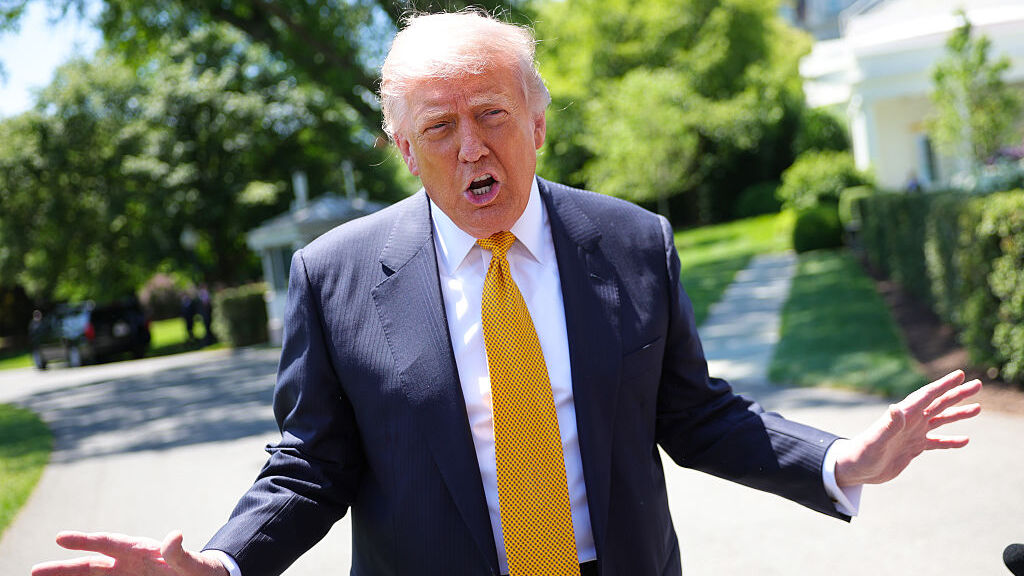
President Donald Trump confirmed that Beijing has refused to approve purchases of Nvidia’s H200 artificial intelligence chips, stating that Chinese firms are choosing to develop their own technology. The decision, announced to reporters aboard Air Force One following a two-day summit with Chinese President Xi Jinping, effectively halts Nvidia’s sales in the region despite prior regulatory clearance from the US Commerce Department. No H200 units have been shipped to Chinese buyers, marking a significant shift in the global semiconductor landscape.
The US Commerce Department had previously cleared approximately 10 Chinese firms, including Alibaba, Tencent, ByteDance, and JD.com, to purchase up to 75,000 H200 chips each. At current pricing, this ceiling represented roughly $15 billion to $20 billion in potential revenue. However, KeyBanc analyst John Vinh has modelled total Chinese demand at around 1.5 million units annually, which could translate to $30 billion in revenue if the licensing framework were to expand. Despite these figures, Beijing has quietly steered domestic firms away from fulfilling earlier orders.
Nvidia CEO Jensen Huang acknowledged that the company has effectively conceded the Chinese data centre market to domestic rivals, specifically Huawei. In its most recent 10-K filing, Nvidia stated it is "effectively foreclosed from competing in China's data center computing market" and assumes no data center compute revenue from the region in its current guidance. Huang noted that Nvidia’s official market share in China has dropped to zero from approximately 95% before US export curbs took hold.
The rejection follows a 25% fee on chip exports and heightened concerns over supply chain security. US law does not permit direct export fees, requiring chips to physically pass through US territory before re-export to China, a workaround that allows the Treasury to collect the levy. Beijing’s objection appears rooted in the routing requirement itself, with reports indicating unease over potential tampering or hidden vulnerabilities. The State Council has recently issued regulations aimed at eliminating foreign-tech dependencies in critical infrastructure.
Market reaction was immediate, with Nvidia shares falling 4.4% last Friday, reversing gains made after the initial regulatory approval. The stock had surged more than 2% following the Commerce Department’s clearance but slipped again after Trump’s comments. While Nvidia reported fiscal Q1 2027 revenue of $81.52 billion, an 85% increase year-on-year, investors remain cautious about the long-term implications of losing access to one of the world’s largest technology markets. Meanwhile, Huawei’s flagship Ascend 950PR chip has seen prices rise by roughly 20% due to increased demand following the launch of DeepSeek’s V4 model, which is optimised for Huawei hardware.