Beijing accelerates digital yuan expansion with new incentives and cross-border push
The People’s Bank of China is doubling the number of authorised operating banks to 22 and testing smart contracts for lottery draws and green electricity charges, aiming to build a technological backstop against dollar weaponisation.
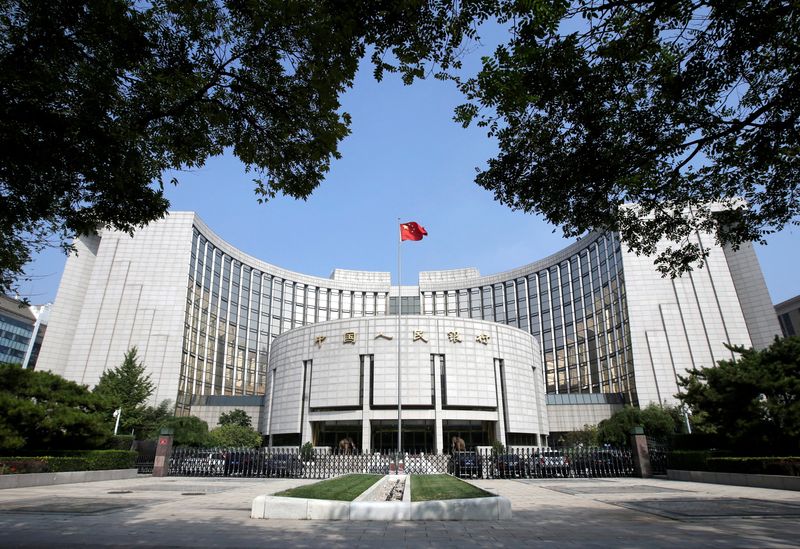
The People’s Bank of China is implementing a comprehensive strategy to expand the domestic and international use of the digital yuan, also known as e-CNY. According to industry sources, the central bank is providing policy incentives and behind-the-scenes directives to banks to increase adoption in sectors ranging from lottery draws and green electricity charges to government fiscal spending. This move positions Beijing on a divergent path from the United States, where domestic circulation of central bank digital currencies remains prohibited.
Authorities have more than doubled the number of authorised operating banks to 22 as of April, a shift that effectively turns the digital yuan into an on-balance sheet deposit liability. This classification significantly boosts banks’ incentives to promote adoption, as digital yuan deposit balances and account numbers are now key metrics in how lenders are evaluated. The expansion allows institutions to develop more credit and wealth management products while meeting deposit assessment targets.
Domestically, the PBOC is testing applications using smart contracts to trigger automatic payments when predefined conditions are met. Pilots include lottery draws, prepaid cards, government fiscal spending, and supply chain financing. Authorities are also leveraging the currency’s traceability to curb medical insurance fraud and track green electricity consumption. Local governments have set numerical adoption targets and are piloting internal use cases, including salary payments and healthcare disbursements.
The push is partly driven by a desire to reduce dependence on global payment systems anchored by the US dollar. China Securities Co noted in a report that geopolitical instability, particularly the conflict in Iran, has exposed the risks of dollar weaponisation and is accelerating yuan internationalisation among Middle East oil producers. The digital yuan serves as a technological backstop to ensure international trade flows continue during future geopolitical shocks.
Internationally, the central bank is promoting the mBridge platform for cross-border transactions, particularly along Belt and Road Initiative routes and with ASEAN countries. Shanghai’s Financial Commission Office is encouraging institutions to adopt mBridge, with applications already spanning trade in goods and services as well as shipping insurance. Lenders are racing to develop compatible products, including loans, letters of credit, and bills.
Despite these efforts, overseas enthusiasm remains limited, and the digital yuan faces structural limits against established private payment platforms like Alipay and WeChat Pay. Xin Yan, CEO of Sign, noted that while the digital yuan is more compatible with the banking system, it is not yet friendly for foreigners. The PBOC is also considering establishing a dedicated clearinghouse similar to China UnionPay to process transactions among operating banks and improve efficiency.
Cumulative digital yuan transactions reached 16.7 trillion yuan as of November, a figure that remains small compared to the 279 trillion yuan in UnionPay card transactions in 2025. Industry insiders suggest the currency’s ultimate purpose is focused on international settlement between enterprises rather than disrupting retail payment behaviour. However, regulators acknowledge that yuan internationalisation remains a long road ahead, requiring overseas counterparties to demonstrate willingness to adopt the currency.