Baseball’s generational pressure: ESPN contrasts Mike Trout’s decline with Konnor Griffin’s rise
A new ESPN feature examines the institutional and personal costs of high expectations in Major League Baseball, profiling the ageing Los Angeles Angels star and the Pittsburgh Pirates’ highly touted young shortstop.
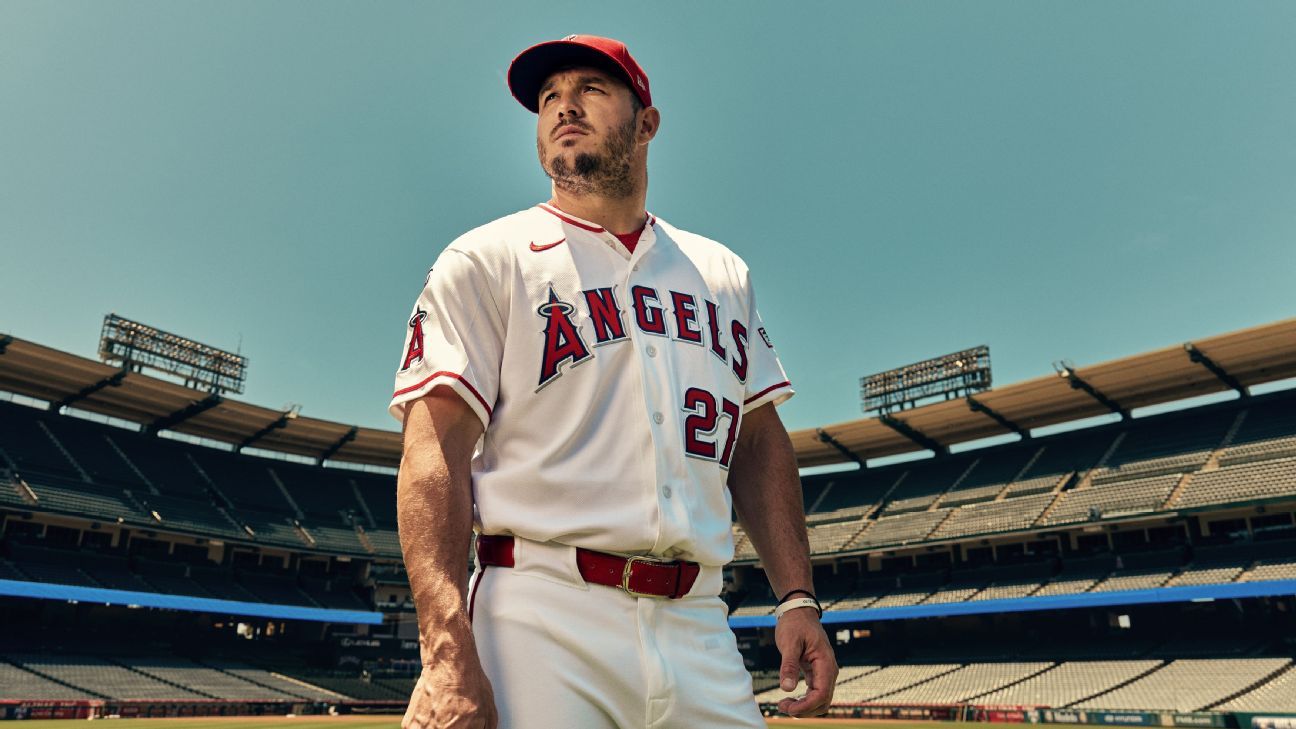
ESPN has published a detailed feature exploring the parallel trajectories of Los Angeles Angels outfielder Mike Trout and Pittsburgh Pirates shortstop Konnor Griffin. The article positions the two players as bookends of a generational cycle in baseball, contrasting Trout’s navigation of physical decline and injury at age 34 with Griffin’s emergence as a 20-year-old prospect facing intense public scrutiny.
The report highlights the specific physical challenges both athletes currently face. Trout is rehabbing a hamstring injury sustained in Arizona, which he describes as a persistent cramp that sidelined him for three weeks. Meanwhile, Griffin was recently placed on the injured list due to inflammation in a tendon near his elbow, following a previous month on the list earlier in the season. These injuries underscore the physical toll of professional sport on players at opposite ends of their careers.
The piece also examines the commercial and contractual dimensions of their careers. Trout, a three-time MVP who signed a 12-year, $426.5 million contract extension in 2019, has invested in Ammortal, a company producing a $159,000 acrylic recovery chamber that emits red light, vibroacoustic sound waves, and hydrogen molecules. In contrast, Griffin signed a contract extension with the Pirates adding nine years and $140 million to his deal, reportedly while batting .176 in his first five games, a decision framed by the article as a strategic move to secure the franchise’s future.
Historical context is central to the ESPN analysis, which references the sport’s tendency to label young athletes as the "next Mickey Mantle" or "next Mike Trout." The article cites Tom Tresh as a notable example of a player who did not meet such high expectations, illustrating the pressure and disappointment that can follow premature anointment. This narrative framework suggests that baseball repeatedly searches for a new version of past greatness, often to the detriment of the current player’s individual identity.
Despite their different stages in the game, the feature notes a personal connection between the two. Trout and Griffin have communicated via text messages about deer hunting and trading cards, though they had not met in person until a recent game in Pittsburgh. This interaction serves as a symbolic bridge between the veteran’s experience and the rookie’s anticipation, highlighting the shared understanding of the burdens that come with high performance.
The article concludes by reflecting on the disparity between public expectation and the physical realities of professional sport. It suggests that while the game seeks to preserve its legacy through new stars, the individual cost of meeting those expectations is significant for both the ageing veteran and the emerging prospect.