Barnes cites player media influence and financial disparity in Celtic departure
John Barnes claims unhappy players used media connections to turn public opinion against him, despite a 66 per cent win rate, before his dismissal following a Scottish Cup defeat to Inverness Caledonian Thistle.
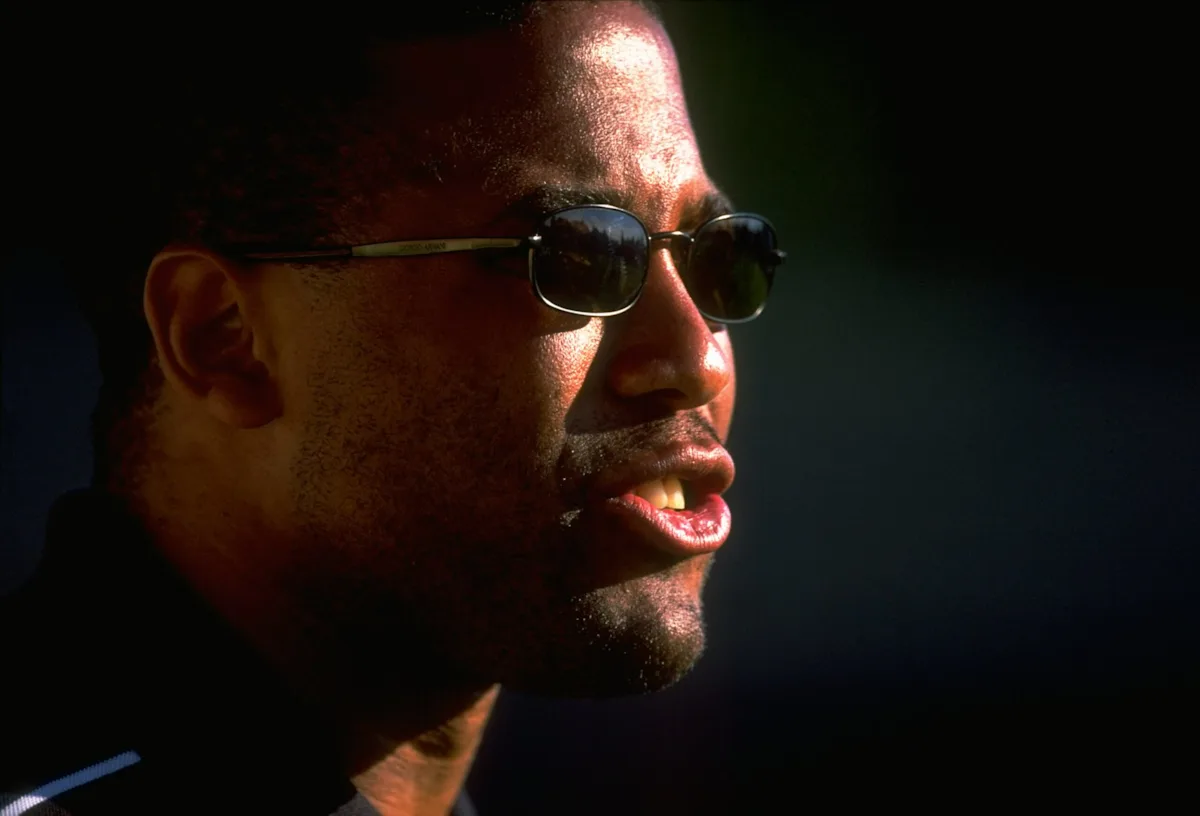
Former Liverpool and England footballer John Barnes has publicly challenged the narrative surrounding his brief tenure as Celtic head coach, attributing his dismissal to internal club disharmony and the influence of unhappy players on the media. Speaking on The Jeff Stelling Show, Barnes argued that despite achieving a 66 per cent win rate, his time at the club was unfairly judged due to a hostile environment and significant financial disparities with rivals Rangers.
Barnes, who replaced Dr Jo Venglos in 1999, noted that he won 12 of his first 13 matches but faced criticism from the second game onwards. He claimed that players, whom he declined to name, were unhappy with their contracts under previous ownership and used their media connections to turn public opinion against him. This pressure persisted despite the team's strong initial results, creating a situation where Barnes felt he could not sustain his position.
The former manager highlighted the financial imbalance between the two Glasgow giants during the 1999/2000 season. He stated that Rangers were spending significantly more money than Celtic, which contributed to the club being four points behind in the league. Barnes compared his win percentage at Celtic to Steven Gerrard’s record at Rangers, suggesting his own statistical performance was superior despite the perception of failure that followed his departure.
Barnes revealed that he anticipated his short stint at the club early on, predicting after the first five games that he would not remain long-term. He chose not to relocate his family to Scotland, telling his then-wife that he did not expect to stay. He described himself as not a "big-name manager" capable of handling the abuse from the media and fans, fearing that any difficult period would result in his immediate dismissal.
His tenure ended following a Scottish Cup defeat to Inverness Caledonian Thistle at Celtic Park, a result that prompted the club to part ways with him. His departure precipitated the arrival of Martin O’Neill, who later led the club to its most successful spell since the Jock Stein era, including the period associated with the Lisbon Lions. Barnes maintains that the perception of his record at Parkhead has been unfairly shaped by the politics and media influence present at the time.