Barcelona study rewrites origins of first complex cells
New research published in Nature challenges the long-held view that complex life arose from a singular merger, identifying significant genetic contributions from bacteria and viruses.
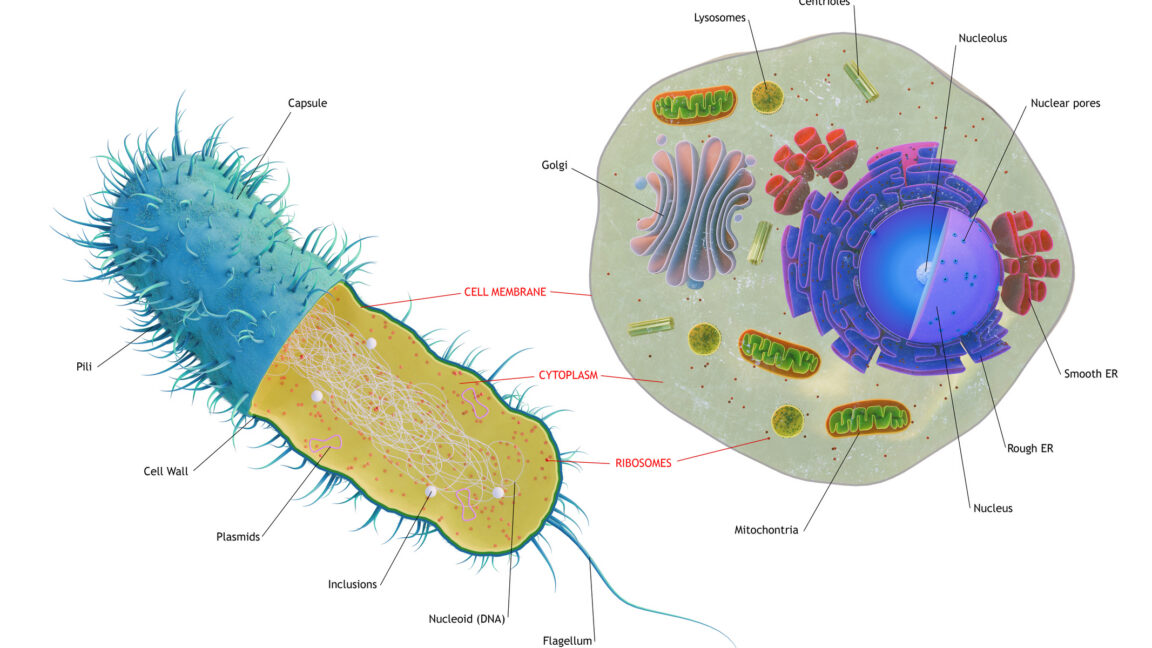
A study published in Nature by researchers in Barcelona indicates that the first complex cells, known as eukaryotes, acquired genes from a diverse mix of species rather than through a single fusion event. The research suggests the transition from prokaryotic to eukaryotic life was a gradual process involving multiple waves of horizontal gene transfer, challenging the prevailing scientific consensus that has dominated for decades.
The prevailing view held that complex cells arose from a singular fusion between an archaeal host and a bacterium, with the bacteria evolving into mitochondria. This theory was bolstered by the discovery of Asgard archaea approximately a decade ago, which provided the closest known relatives to eukaryotes. However, the new analysis indicates that while the merger between archaea and bacteria remains a core component of eukaryotic origins, it was only part of a more complex picture where gene transfers among species were commonplace.
The research team identified roughly equal contributions from two other bacterial groups: Planctomycetota and Myxococcota, in addition to the expected Asgard archaea and alphaproteobacteria. Notably, species from a group of viruses that includes giant viruses contributed more genes than any single bacterial group. The study also found that approximately one-third of gene groups appear to be distinct to eukaryotes with no equivalents in other kingdoms.
To ensure accuracy, the researchers limited species selection to ensure an even distribution across the eukaryotic family tree, filtering out low complexity proteins to reduce noise. The analysis was repeated three times with different gene choices, yielding consistent results. This methodological rigour addressed previous limitations in genomic databases, which often suffered from overrepresentation of certain branches such as animals.
The ancestral eukaryote likely lived in an oxygen-containing environment and harvested energy by eating other living things or feeding on their remains. The ancestral cell possessed complex interiors, including internal protein trackways, motor proteins, lysosomes, and peroxisomes, but lacked specific genes for managing cell division. The authors conclude that while database completeness may drive differences across future studies, the prokaryotic-to-eukaryotic transition was probably a gradual and complex process.
