Bank of England warns of AI scams amid deepfake videos of Farage and Bailey
The central bank has raised concerns with Reform UK and social media platforms over fabricated videos depicting a physical altercation with Nigel Farage, highlighting a broader rise in impersonation scams targeting the vulnerable.
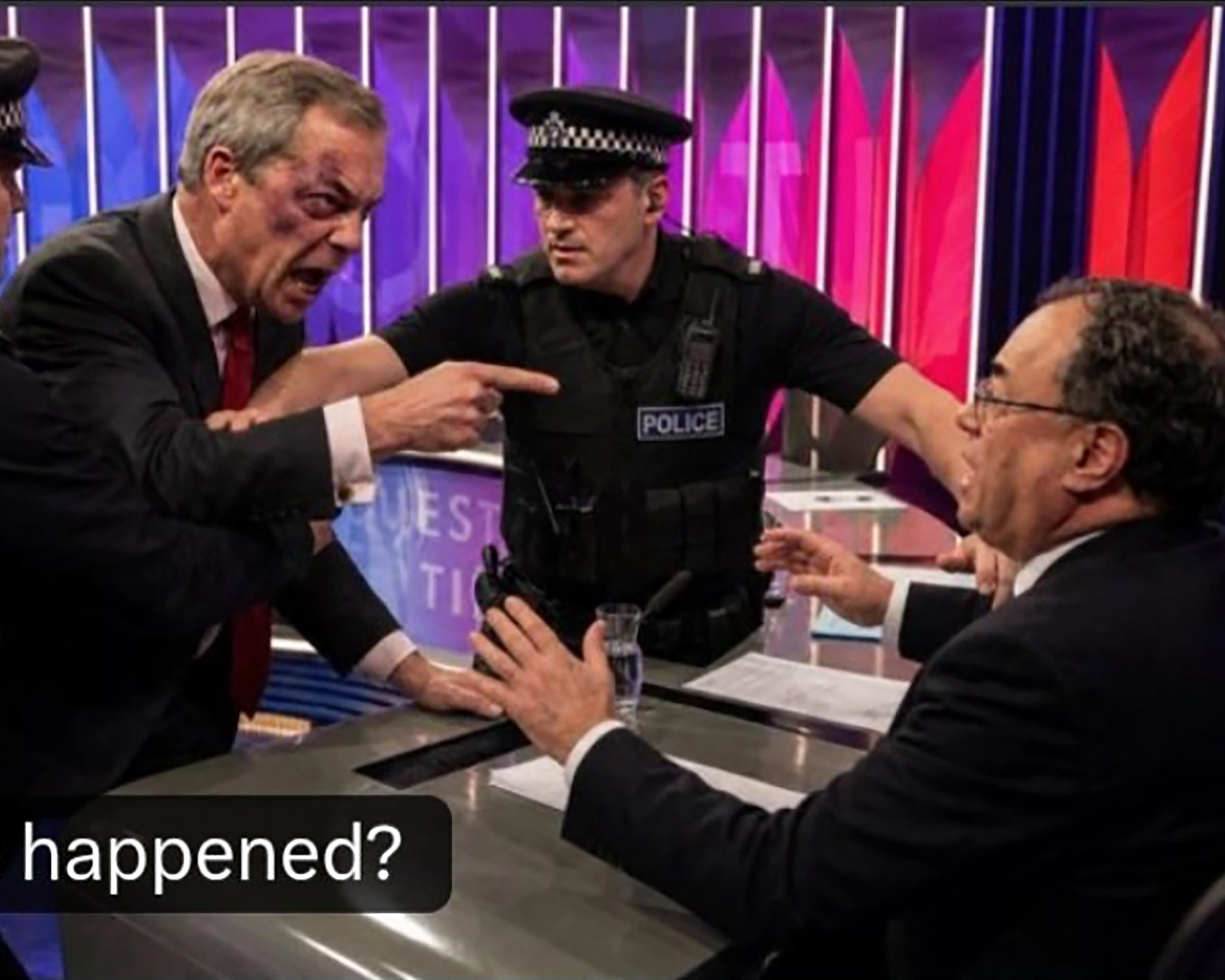
Bank of England governor Andrew Bailey has issued a public warning regarding the circulation of AI-generated deepfake videos on X depicting him in a physical altercation with Reform UK leader Nigel Farage. The fabricated clips, which show the pair fighting on the set of BBC One’s Question Time and include scenes of police intervention and Farage holding a gun, were shared online despite Farage’s public denial of involvement. Bailey urged the public to report these scams to facilitate their removal and highlighted a broader rise in fraudulent impersonations of central banks. The Bank has raised concerns with both Reform UK and social media platforms, while the UK’s Online Safety Act is expected to introduce new duties for tech platforms to tackle such fraudulent advertising next year.
The deepfakes, which depict Farage and Bailey being separated by police officers and show Farage holding a gun while grappling with Bailey, were circulated on the social media platform X. Bailey has urged the public to report these scams to authorities to facilitate their removal and to remain vigilant against fraudulent impersonations of central banks. He noted that fake adverts impersonating the Bank of England and other central banks are on the rise and are designed to exploit the public, particularly the vulnerable.
Farage has publicly denied involvement, stating on X that while he disagrees with Bailey’s economic stance, he would never resort to physical violence. “You may have seen some bizarre AI videos on this platform today. Whilst Andrew Bailey and I have our disagreements, I would never take it that far!” Farage wrote on Monday. The Bank of England has raised concerns regarding the posts with both Reform UK and social media platforms, Bloomberg reported.
Bailey highlighted that fake adverts impersonating the Bank of England and other central banks are on the rise and are designed to exploit the public, particularly the vulnerable. “Unfortunately, fake adverts impersonating the Bank of England and other central banks are on the rise,” he said. “These scams are designed to criminally exploit the public, especially the vulnerable, when they are online. I would urge everyone to stay vigilant and report these scams. That way authorities can better root out digital deception like this and permanently remove the fraudsters responsible for what is a truly online scourge.”
The UK’s Online Safety Act contains provisions requiring tech platforms to tackle fraudulent advertising, but these duties do not come into force until next year. X explicitly bars impersonation of individuals to “deceive others”. X’s sister company, xAI, is under investigation by Ofcom after its Grok tool was used to create non-consensual explicit images. Personal finance expert Martin Lewis has warned of a “wild west” of online scams powered by AI, having also been a subject of fraudulent posts.