Baidu and Lyft begin London robotaxi testing amid intensifying European competition
The initiative marks a significant step in the battle for London’s autonomous mobility market, with regulators and rival firms also advancing their own testing programmes.
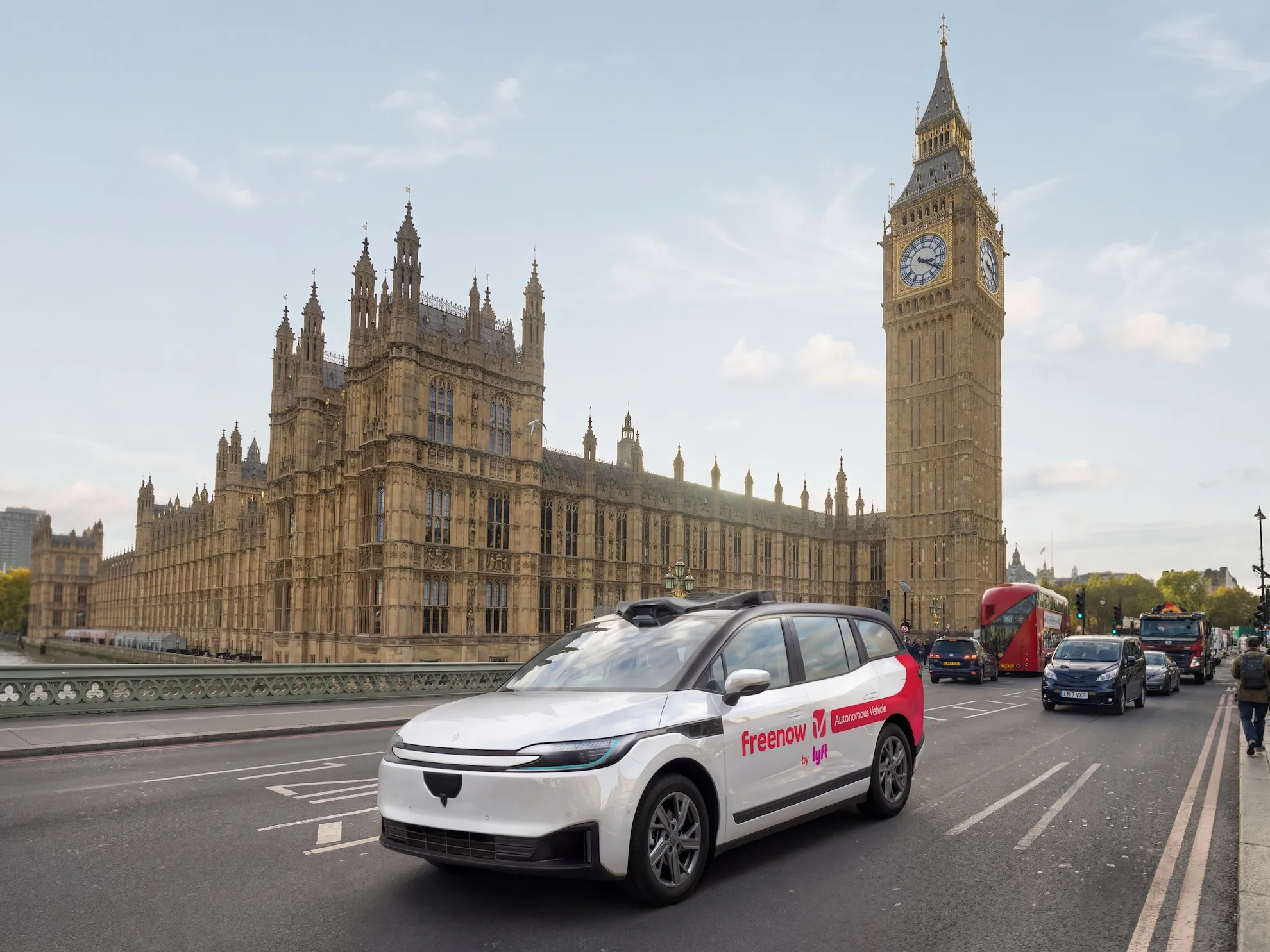
Chinese technology firm Baidu has commenced testing of its Apollo Go autonomous vehicles in London, marking a tangible expansion of its European strategy in partnership with US ride-hailing giant Lyft and Freenow. The testing phase, which began on Tuesday, involves dozens of vehicles operating within the borough of Brent and is being conducted with human safety operators on board.
This operational rollout follows a strategic alliance announced nearly a year ago, under which the companies agreed to deploy Baidu’s purpose-built Apollo Go RT6 robotaxi across key European markets via the Lyft platform. The service will ultimately be hosted on Freenow, a mobility network that Lyft acquired in 2025 for approximately $197 million, a deal that provided the US firm with a critical foothold in the European ride-hailing sector.
London is rapidly emerging as a focal point for autonomous vehicle deployment in Europe, drawing significant investment and regulatory attention. The city has become a competitive battleground, with Waymo beginning its own testing with human safety operators in April. Similarly, Uber and its self-driving technology partner, Wayve, have announced plans to launch a robotaxi service in London later this year, having already opened an interest list for prospective customers.
The timeline for Baidu and Lyft’s commercial entry remains contingent on regulatory clearance. The companies aim to invite the public to hail robotaxis in 2027, pending approval from Transport for London (TfL) and the Centre for Connected and Autonomous Vehicles (CCAV). The UK government has also facilitated this environment by opening applications in May for an autonomous vehicle pilot program, allowing firms to test self-driving technology under government oversight.
When the service eventually launches, it will operate as a hybrid network, a model also being pursued by Uber. This approach involves human drivers operating alongside autonomous vehicles. Thomas Zimmermann, CEO of Freenow by Lyft, emphasised that the priority is ensuring autonomous technology supports professional drivers, stating that the platform’s deep roots in the taxi industry require a focus on aiding those who keep London moving.
