BA chief warns aviation taxes and rail fragmentation stunting UK growth
British Airways CEO urges government to rethink air passenger duty and infrastructure costs ahead of 2030 visitor targets
British Airways chief executive Sean Doyle has issued a stark warning that elevated aviation taxes and a fragmented rail network are actively suppressing UK economic growth and undermining the nation’s tourism sector. Speaking at the International Air Transport Association (Iata) annual meeting in Rio, Doyle argued that the UK is falling behind key rivals such as Japan, France, and Germany due to prohibitive travel costs and a lack of joined-up policy planning.
Doyle highlighted that the UK currently maintains some of the highest aviation taxes in the world, a factor he believes is deterring international visitors. He pointed to a 15 per cent increase in air passenger duty implemented in April as a significant barrier to growth. The revised tax structure has raised costs for passengers, with charges reaching up to £8 on domestic flights, £15 for European departures, and as much as £253 in premium economy seats on long-haul routes.
The airline chief emphasised that these costs directly jeopardise the government’s ambition to welcome 50 million international visitors by 2030, an increase from the current baseline of approximately 40 million. Doyle noted that countries like France and Spain have already surpassed the UK in inbound tourism growth, attributing this shift largely to more competitive pricing. He stated that without addressing the affordability proposition for tourists, the UK is unlikely to achieve its economic targets or realise the broader benefits of a thriving tourism industry.
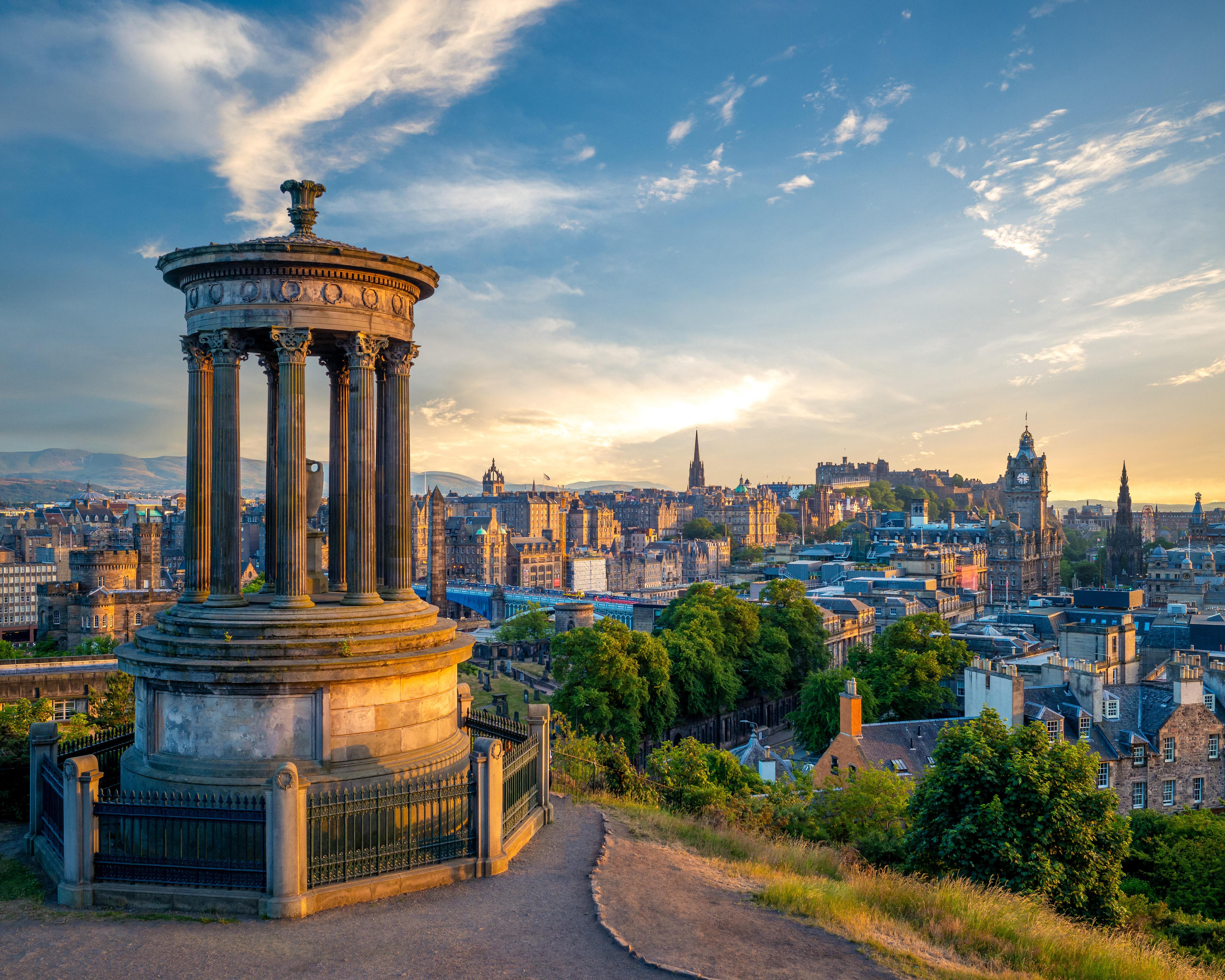
Beyond air travel, Doyle identified structural inefficiencies in domestic transport as another critical impediment. He described the UK rail network as fragmented, lacking the curated travel passes and integrated options available in other major tourist destinations. This disconnect, he argued, results in tourism being overly concentrated in hubs like London and Edinburgh, leaving other regions of the economy without the corresponding economic uplift.
Doyle also cautioned against the financial implications of Heathrow Airport’s proposed third runway, which carries a preferred cost estimate of £33 billion. While acknowledging the need for infrastructure expansion, he warned that if the airport’s scheme imposes excessive charges on airlines, it could deter the very capital investment required to drive sector growth. BA and other carriers have urged the government to consider cheaper alternatives to the current plan, arguing that high infrastructure costs could ultimately stifle the aviation industry’s ability to expand.
Flights to the Iata summit were provided by Iata and Latam airline.