Avatar Aang: The Last Airbender finds cinematic footing after turbulent release
A limited theatrical rollout in two cities precedes the Paramount+ debut, a strategic move to secure Academy Award eligibility for the feature that continues the Nickelodeon series.
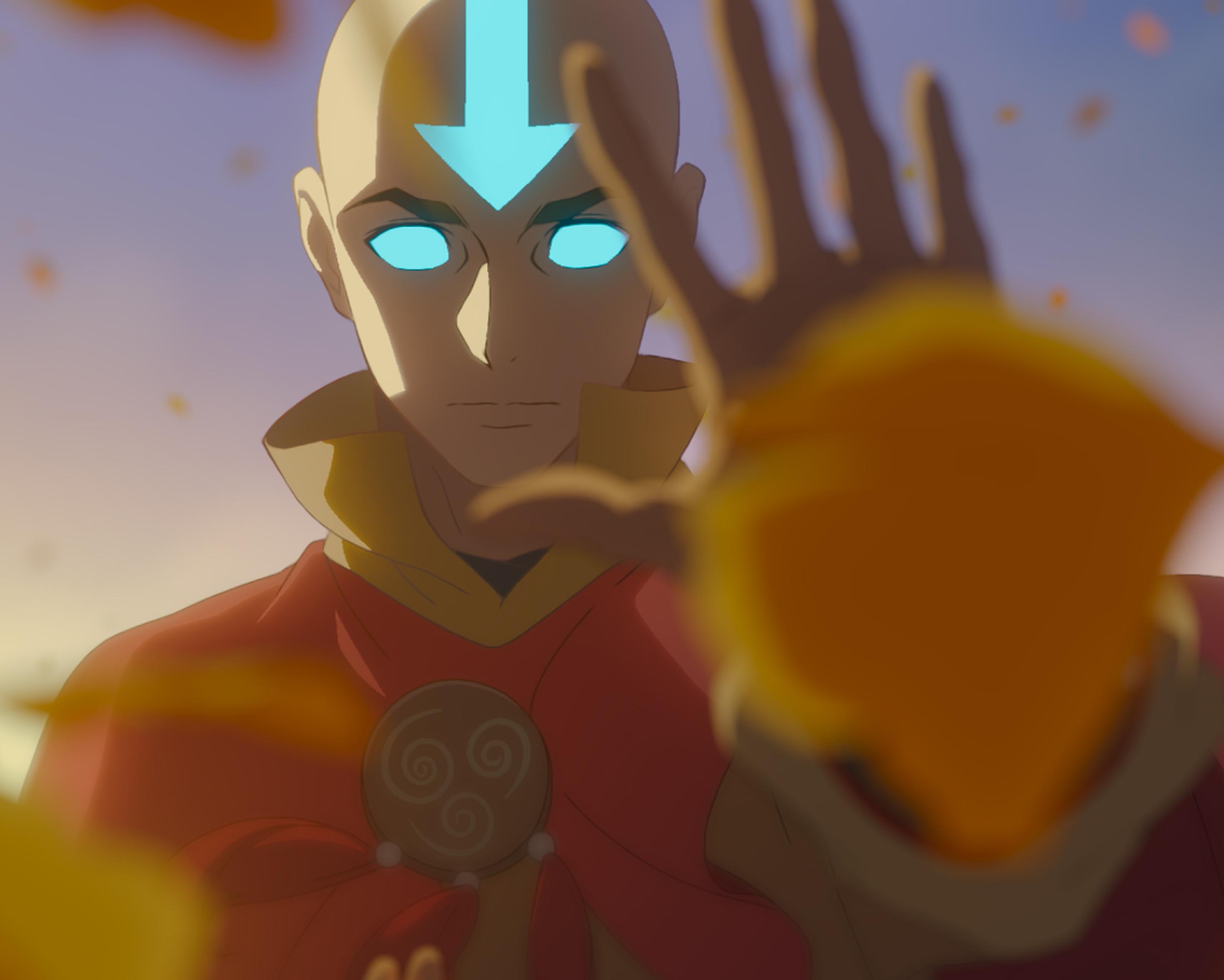
Paramount has released Avatar Aang: The Last Airbender, an animated feature that serves as a direct continuation of the beloved Nickelodeon series. The film, which follows the main characters years after the original three-season run, employs a specific release strategy involving a limited theatrical debut in two cities starting 24 July, followed by a streaming premiere on Paramount+ on 25 July. This approach was adopted to qualify the project for this year’s Academy Awards, following a period of delays and an online leak of the film prior to its official launch.
The Guardian Culture described the film on 22 July as an engaging TV-to-movie adventure that offers sufficient content for both dedicated fans and new viewers. The review highlights that the animation style distinguishes itself from the original series’ budget constraints by combining hand-drawn characters with computer-animated environments. This visual upgrade provides a kinetic and colorful aesthetic that the publication suggests may appear more impressive than some eventual nominees for Best Animated Feature, despite the restricted theatrical rollout.
Set in a world where super-powered tribes control the elements, the plot centres on the main cast searching for an ancient artefact before a group known as The Denied claims it. The characters, who have aged up by approximately a decade, are joined by Tagah, a new airbender voiced by Dave Bautista. The voice cast also includes Eric Nam, Jessica Matten, Dionne Quan, Steven Yeun, and Román Zaragoza, reprising their roles as the core group of friends navigating their adult lives.
The release marks the latest chapter in a franchise with a complex cinematic history. The original animated series predates James Cameron’s Avatar film franchise, and a previous live-action adaptation directed by M. Night Shyamalan was critically panned and failed to launch a film series. Netflix has since produced an unrelated live-action adaptation as a television series, while this new animated feature attempts to bridge the gap between television storytelling and big-screen spectacle.
While the film’s accessibility may serve as a reintroduction for non-fans, the review notes that the primary draw remains the opportunity to revisit the friend group as they mature. The production team has crafted a narrative that balances familiar character dynamics with new action sequences, aiming to prove that the world can work effectively on a larger canvas. The strategic theatrical release ensures the film meets eligibility requirements, positioning it for potential industry recognition despite its direct-to-streaming debut.