AutoZone shares lag sector peers despite analyst 'Strong Buy' consensus
AZO stock has fallen 29% from its 52-week high, underperforming the Consumer Discretionary Select Sector SPDR ETF and rival O'Reilly Automotive, even as 28 analysts maintain a bullish outlook on the Memphis-based firm.
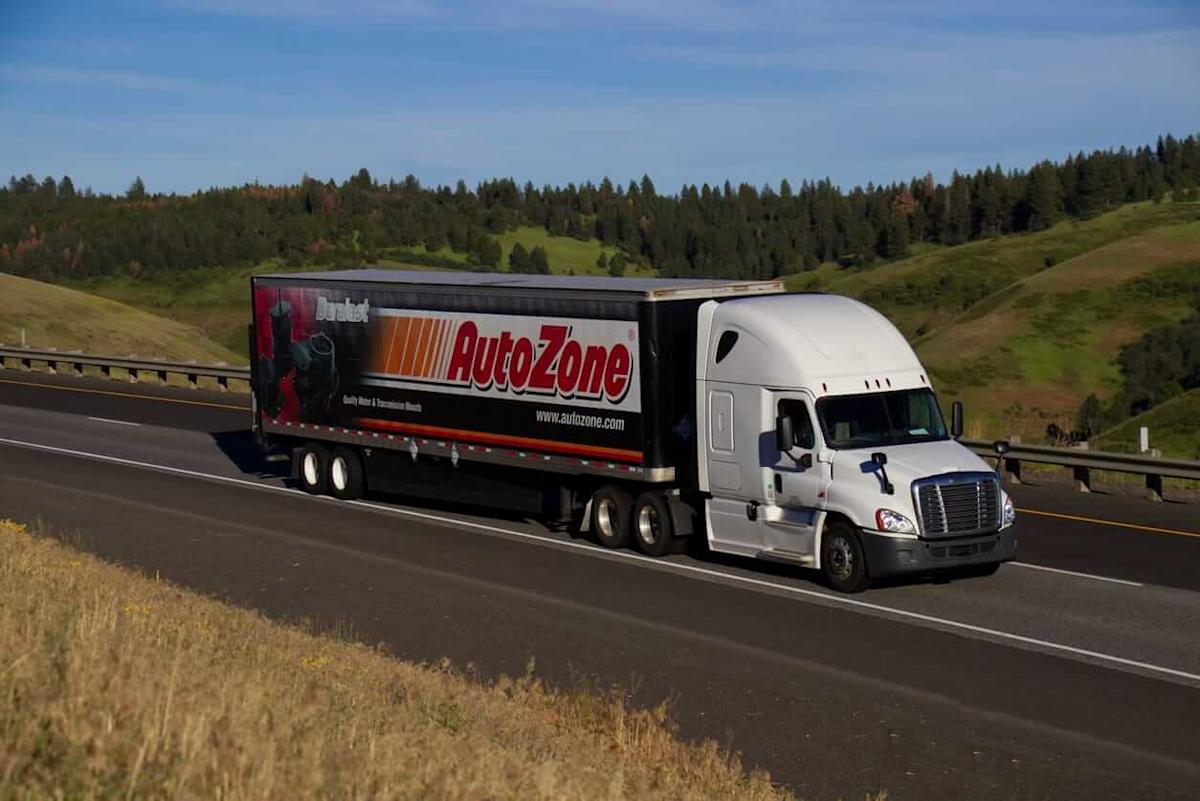
AutoZone shares have significantly underperformed their sector peers and industry rivals over the past year, falling 29% from their 52-week high of $4,388.11, which was recorded on 11 September 2025. The Memphis, Tennessee-based retailer has also lagged the State Street Consumer Discretionary Select Sector SPDR ETF (XLY) over the same period, with the XLY ETF posting a 9.7% gain while AutoZone declined 16.3%. On a year-to-date basis, AZO shares are down 8.1%, compared to a 3.8% drop for the XLY ETF.
The underperformance follows a sharp decline in late May after the company reported its third-quarter 2026 results. On 26 May, shares fell nearly 9% as investors reacted to a slight top-line miss. Quarterly revenue rose 8.4% year-on-year to $4.84 billion, falling short of the $4.87 billion consensus estimate. Despite the revenue shortfall, the company delivered a resilient bottom-line performance, with operating profit growing approximately 6.5% year-on-year.
Earnings per share reached $38.07, significantly outperforming Wall Street’s projection of $36.17. This divergence between top-line revenue and bottom-line profitability has not deterred market analysts. Twenty-eight analysts covering the stock maintain a consensus "Strong Buy" rating, with a mean price target of $3,989.13. This target implies a 28% premium to current price levels, suggesting that institutional investors view the recent sell-off as a valuation reset rather than a fundamental deterioration.
AutoZone’s technical indicators reflect the bearish trend, with shares trading below their 200-day moving average since early December and below their 50-day moving average since mid-March. Over the past three months, AZO shares have declined 16.7%, further underperforming the XLY ETF, which saw a modest 1.5% downtick during the same timeframe. The stock’s market capitalisation stands at $50.8 billion, firmly placing it in the large-cap category.
The retailer’s struggles are also evident when compared to its primary rival, O'Reilly Automotive. Over the past 52 weeks, O'Reilly shares dropped just 1.2%, and fell 1% on a year-to-date basis, contrasting sharply with AutoZone’s broader decline. AutoZone continues to operate a sophisticated hub-and-spoke distribution network, providing automotive replacement parts and accessories to do-it-yourself consumers and professional mechanics.