Australia’s renewable sector at crossroads as investment in new wind and solar stalls
Utility-scale battery storage surges to 2GW, but new project investment falls 48% amid regulatory and inflationary pressures
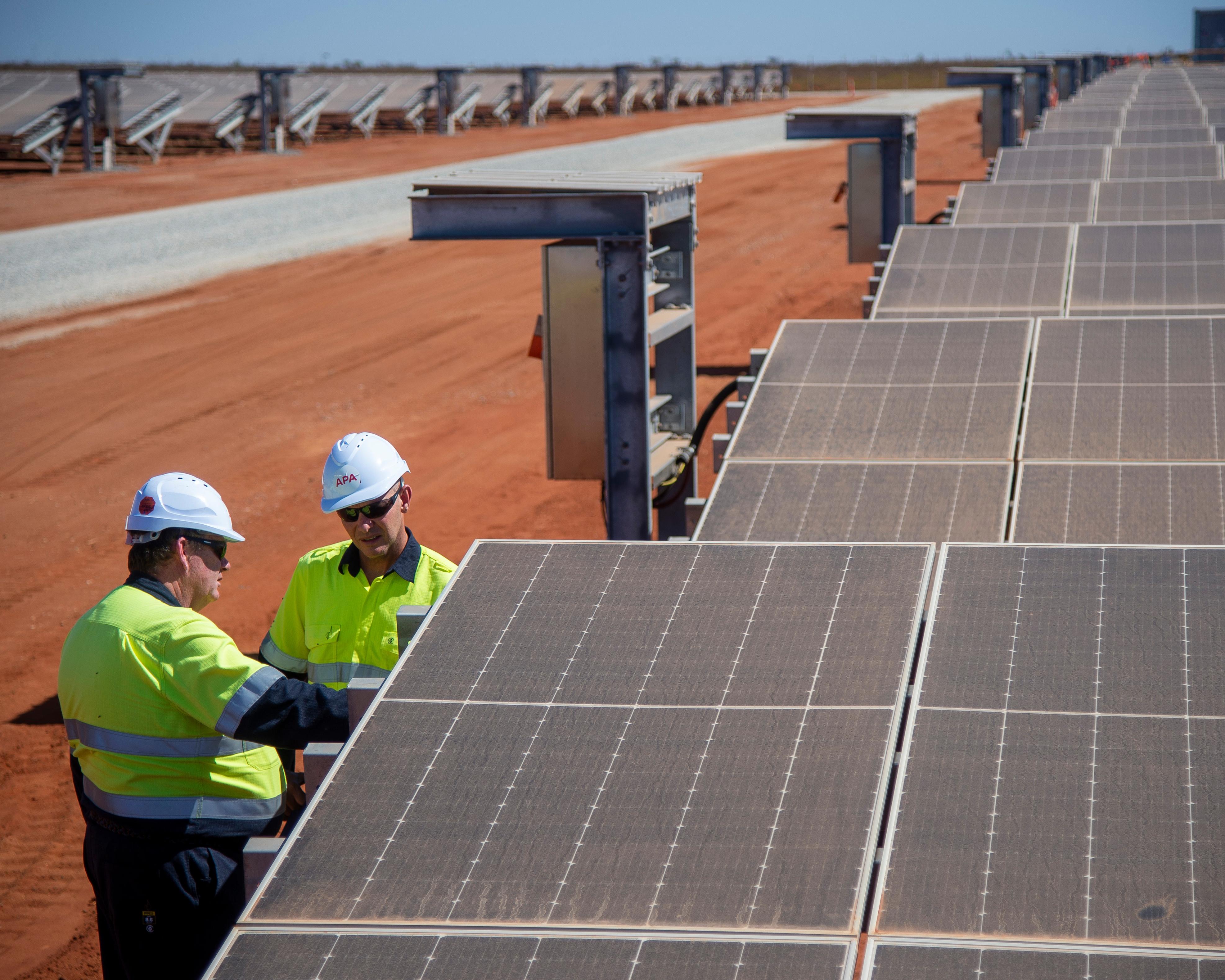
Australia’s renewable energy sector achieved record generation levels in 2025, yet the Clean Energy Council has issued a stark warning that momentum is stalling due to a sharp decline in new investment. The industry’s annual snapshot revealed that renewables supplied 43% of the nation’s power last year, an increase from 39% in 2024, with clean energy generating more than half of the national grid’s power in the final quarter.
Despite these operational successes, the council identified a 48% fall in new investment for onshore wind and solar projects as a significant risk to the energy transition. The downturn was particularly pronounced in the wind sector, where only 0.9GW of projects reached financial close in 2025, a substantial drop from the 2.2GW recorded in the previous year.
CEC chief executive Jackie Trad described the current moment as a critical juncture, emphasising that the next five years are pivotal for replacing unreliable coal generators. She stated that the sector’s highest priority for 2026 must be removing the barriers that are slowing investment in large-scale wind and solar projects, which are essential for maintaining energy system security.
The report cited rising inflation, regulatory bottlenecks, slow delivery of transmission infrastructure, and delayed coal closures as key factors contributing to weakening investor confidence. These structural and economic headwinds have created a challenging environment for developers seeking to secure funding for new utility-scale generation assets.
In contrast to the slowdown in large-scale projects, the small-scale storage market experienced explosive growth. Home battery installations surged by 260% compared with 2024, adding more than 268,000 units to the grid. The total number of small-scale storage systems has now grown to 400,000, a trend the council attributed in part to the federal government’s cheaper home batteries program.
On the utility-scale front, Australia solidified its position as a global leader in storage, ranking third worldwide behind only China and the United States. The country connected 2GW of large-scale battery capacity to the grid in 2025, marking a 233% increase from the previous year and highlighting strong investment in grid stability despite the hesitation in new generation projects.
The divergence between robust storage adoption and declining new generation investment underscores the complex dynamics facing Australia’s energy market. While consumer-driven storage solutions are expanding rapidly, the industry remains focused on addressing the regulatory and economic hurdles that are impeding the development of the next wave of large-scale renewable infrastructure.