Australian director Phillip Noyce begins filming Saudi Arabia project celebrating security forces
The Watchful Eyes, a low-budget thriller shot entirely in Arabic, aligns with Vision 2030 goals while human rights groups warn of a strategy to whitewash the regime's record
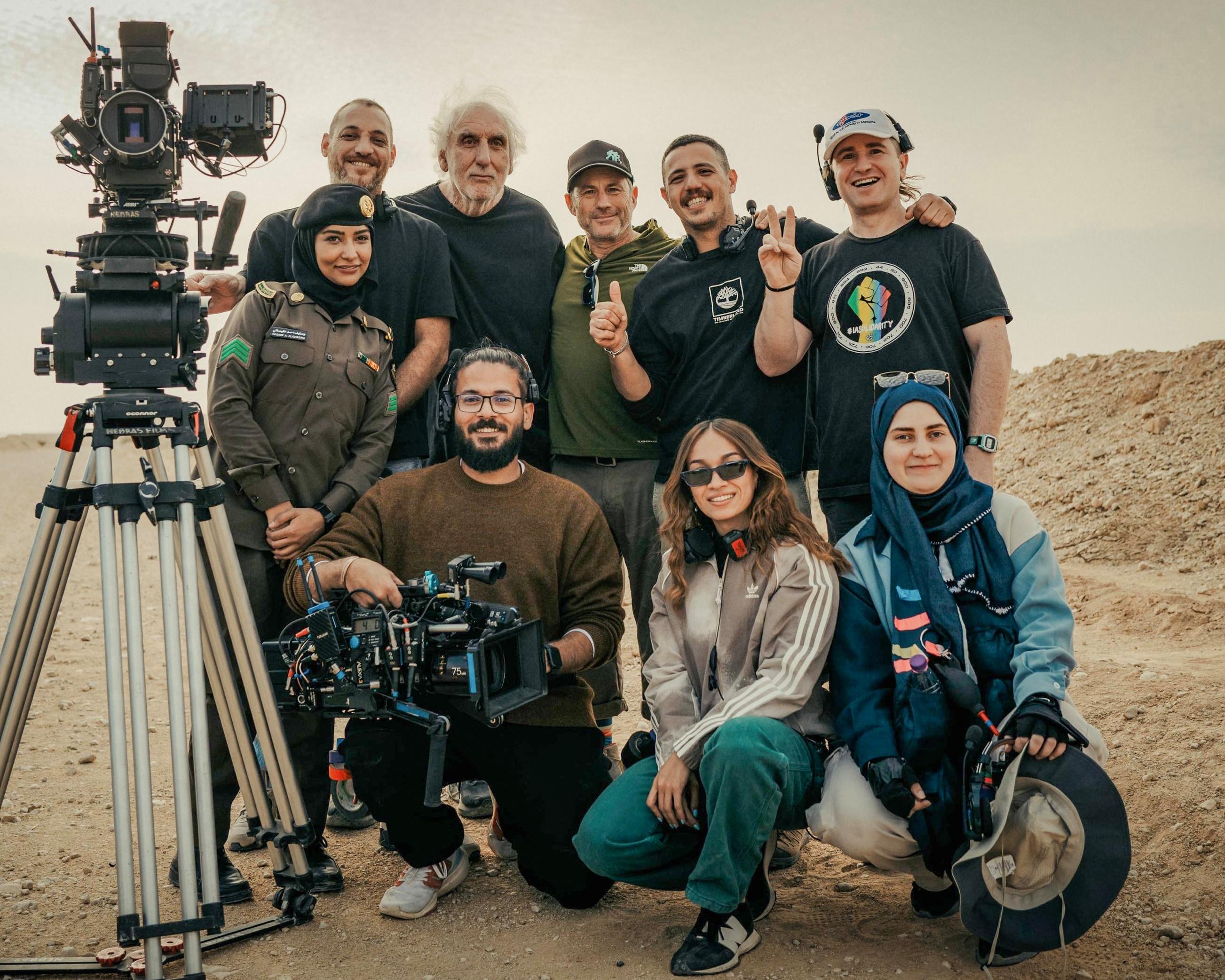
Acclaimed Australian director Phillip Noyce has commenced filming The Watchful Eyes in Saudi Arabia, a project funded by the Public Investment Fund and supervised by royal adviser Turki al-Sheikh. The feature film, described by Noyce as a low-budget kidnapping thriller, focuses on a lead detective hunting for a missing child and portrays Saudi narcotics officers as heroes in a drug crackdown. Filming began in December and is scheduled for release later this year, marking a significant cultural investment by the kingdom's sovereign wealth fund.
The production is grounded in a real case file from the Saudi Ministry of Interior and is billed as a dramatic depiction of the "heroism of security men in combating drugs". Noyce, who has directed notable works including Rabbit-Proof Fence and Patriot Games, stated he accepted the role to work "outside my comfort zone" and to investigate a "previously closed society". He emphasised that the Saudi entertainment company Sela, which backs the project, never once interfered with the film from a creative point of view.
This cinematic venture arrives amidst a stark reality regarding the kingdom's judicial actions. Saudi authorities executed 356 people last year, including 243 for drug-related offences, with analysts attributing the surge in the execution rate to a intensified "war on drugs". The timing of the film's production has drawn sharp scrutiny, as critics argue the project serves to legitimise a government that has recently served mass sentences for narcotics violations.
Human Rights Watch has characterised the initiative as part of a broader strategy to whitewash the regime's human rights record. Senior researcher Joey Shea noted the disturbing alignment between the film's subject matter and recent mass executions, suggesting that such entertainment investments are designed to cover up the reality of rights abuses. The project is viewed by some as a mechanism to present a tolerant image of the state, contrasting sharply with the lethal consequences faced by those who offend the men in power.
The initiative aligns with Crown Prince Mohammed bin Salman's Vision 2030 plan to diversify the economy and position Saudi Arabia as a global production destination. By hosting a high-profile Australian director and producing content shot entirely in Arabic, the kingdom aims to boost its local film industry and reduce reliance on the oil sector. However, the project has also sparked comparisons to previous controversies involving British broadcasters, raising questions about the ethics of creating glossy propaganda while human rights abuses continue.
Critics, including legal action non-governmental organisation Reprieve, argue that the purpose of this "culture-washing" is to disguise brutal abuses of human rights. While the Public Investment Fund has historically backed major sporting ventures, the focus on film and narrative control represents a shift towards using the arts to reshape international perception. As the cameras roll in the Kingdom, the project remains a focal point of debate regarding the intersection of culture, commerce, and political legitimacy in the region.