AUKUS revision: Australia to acquire three secondhand US submarines amid defence policy shifts
Defence officials cite supply chain simplification and cost efficiencies as key drivers for the revised submarine acquisition strategy.
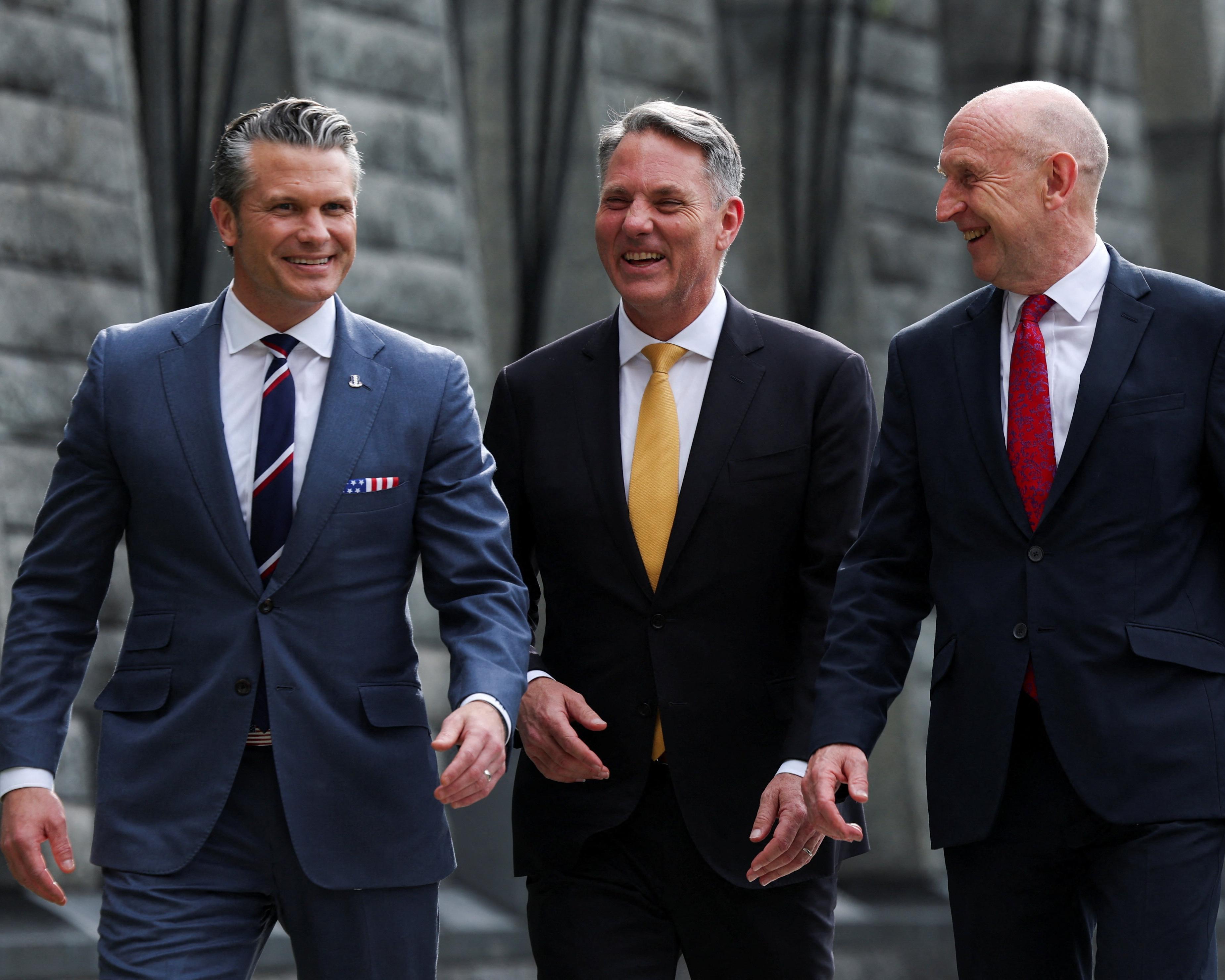
Australian Defence Minister Richard Marles, US Secretary of Defence Pete Hegseth, and UK Defence Secretary John Healey announced a revised strategy for the AUKUS security pact during the Shangri-La Dialogue in Singapore. The joint press conference confirmed that Australia will purchase three secondhand Virginia-class submarines from the United States, replacing the originally agreed mix of new and older vessels. The decision aims to simplify supply chain management, operational requirements, and maintenance, while maximising cost efficiencies within a multi-decade deal estimated to be worth at least $370 billion.
The announcement also revealed a new joint project under the second pillar of the AUKUS agreement to develop cutting-edge payloads and enabling systems for underwater drones. Marles described the decision to forgo new Virginia-class boats as placing a premium on simplicity, though he conceded that the shift would not result in a fundamental change to the overall cost of the programme.
This procurement shift aligns with a longstanding preference among Australian defence officials for acquiring secondhand nuclear-powered submarines. Defence Secretary Meghan Quinn clarified the strategic adjustment during Senate estimates on Tuesday night, noting that the move was a collaborative effort to refine the pact’s implementation.
The diplomatic framing of the announcement drew attention to the personal rapport between the defence leaders. Marles referred to Hegseth as his "good friend" and acknowledged that the new capabilities would be directed toward the "warfighter," a term frequently used by the US Secretary of Defence. Hegseth emphasised that allies must possess capabilities comparable to those of the United States, stating that an alliance lacking such parity would be "meaningless."
In contrast to Hegseth’s focus on military capabilities, Marles concluded his remarks by calling for nations to be governed by "the laws we have built together." He asserted that operating by established rules is the pathway to regional peace, security, and prosperity, distinguishing the Australian approach from what he termed the "tactics of those who prefer the alternatives."