Audi Q9 Adaptive Headlights Clear US Regulatory Hurdle, Set for Late 2026 Launch
The 2027 Q9 SUV will feature multipixel LED systems that mask oncoming traffic, following extensive testing mandated by the National Highway Traffic Safety Administration.
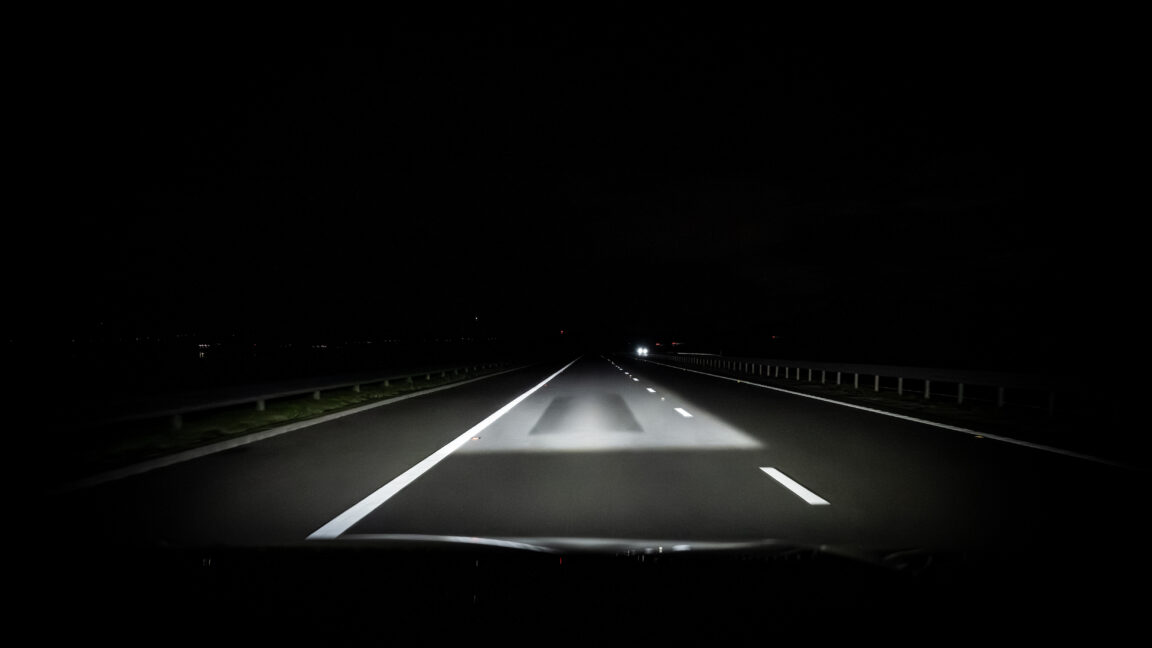
Audi is set to introduce adaptive beam headlights on the 2027 Q9 SUV in the United States later this year, a move that aligns with new regulations established by the National Highway Traffic Safety Administration (NHTSA). The technology utilises multipixel LEDs to illuminate the road while selectively masking oncoming traffic to reduce glare, a capability that has been prohibited in the US since the 1960s. This approval marks the end of a regulatory gap that has seen the US lag behind Europe and Japan in automotive lighting innovation for decades.
The NHTSA approved adaptive driving beam technology in 2022, citing significant safety benefits. However, the path to compliance was rigorous. Unlike in Europe and Japan, where approval often follows road tests by regulators and independent authorities, the US requires automakers to self-certify compliance. Consequently, the NHTSA mandated a comprehensive list of specific tests to ensure the lights do not dazzle other drivers. Audi spent approximately a year completing these test drives and laboratory assessments to satisfy the relevant federal motor vehicle safety standards.
Each headlight unit contains 25,600 addressable elements, allowing for highly accurate beam gating. During testing, the system was observed to effectively illuminate the road ahead while cutting off light sections that would otherwise hit oncoming vehicles. The technology also demonstrated the ability to gate out road signs at a specific distance to minimise glare, without impeding the driver’s ability to read them. This precision represents a significant advancement over the low- and high-beam systems previously permitted under US regulations.
The push for regulatory change was driven by years of lobbying from major automakers, including Toyota, BMW, Mercedes-Benz, and Volvo. Toyota was the first company to request approval for adaptive driving beam lights in 2013, the same year Audi introduced the technology in Europe with the A8. Despite early requests, it took nearly a decade for the NHTSA to formalise the safety benefits and establish the testing framework required for domestic deployment.
While US-spec vehicles will feature the hardware necessary for advanced projection features, such as a 'light carpet' for lane departure warnings or ice warnings, these functions are not yet active. These features require separate NHTSA approval and a subsequent software update. For now, the focus remains on the core adaptive beam capability, which promises to enhance visibility and safety for drivers on American roads.
