Asus Zenbook A16 (2026) prioritises raw Windows performance over portability and aesthetics
A new review from WIRED highlights the device's exceptional computational power while noting a controversial colour option and reduced endurance compared to previous generations.
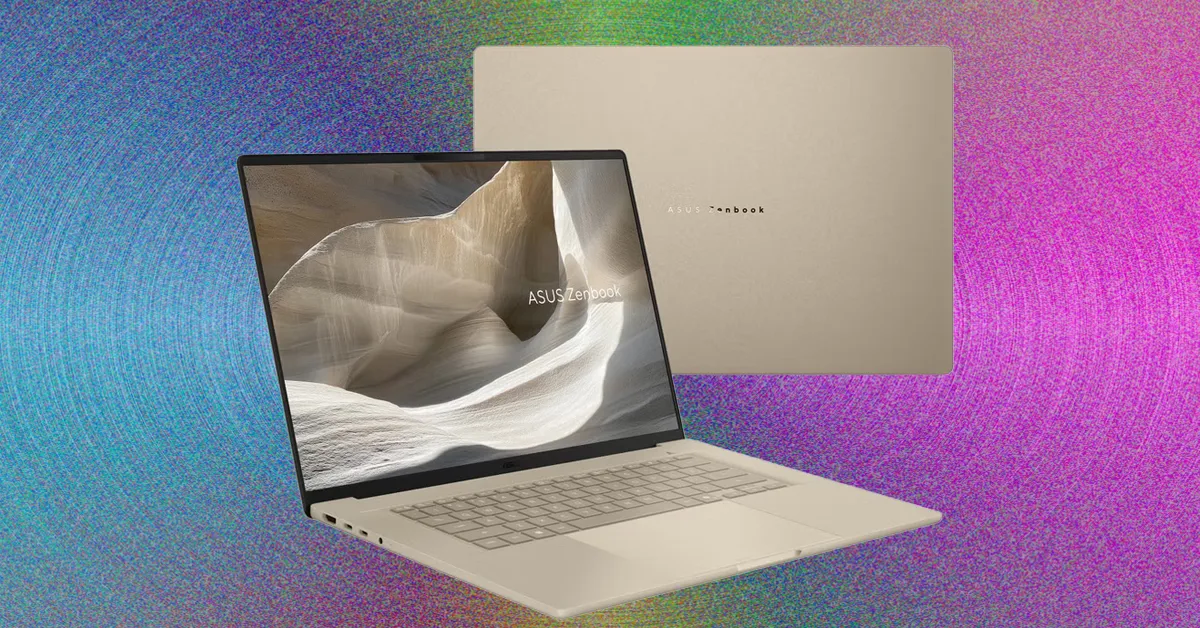
A new review of the Asus Zenbook A16 (2026) indicates that the device represents a significant shift in Windows laptop design, prioritising raw computational power over traditional portability and aesthetic conventions. Powered by the new Qualcomm Snapdragon X2 Elite Extreme chip, the laptop delivers benchmark scores 50–100 per cent faster than competing Intel and AMD systems and rivals the Apple MacBook M4 Pro in Geekbench tests.
While the 16-inch OLED touchscreen, Ceraluminum chassis, and upgraded thermal management receive praise, the laptop faces criticism for a controversial 'Zabriskie Beige' colour option, reduced battery life of approximately 9.5 hours at full brightness, and input devices featuring shallow key depression and an oversized touchpad. Priced at $1,700, it is positioned for users seeking maximum performance rather than all-day portability.
The Snapdragon X2 Elite Extreme chip is confirmed to be the fastest mobile processor tested to date, outperforming the Apple M4 Pro in Geekbench 6 while remaining competitive in Cinebench 2024. Graphics performance on the X2 Elite Extreme has improved dramatically, with frame rates quadrupling on average compared to previous Snapdragon X generations, making the device viable for less taxing games and graphics-heavy workloads.
The device features a 16-inch OLED touchscreen with a resolution of 2880 x 1800 pixels, a weight of 2.9 pounds, and a thickness of 0.65 inches, constructed using Ceraluminum with added magnesium. Thermal management has been significantly upgraded, allowing the device to remain reasonably cool under heavy loads with fans only engaging after 10 to 15 minutes of sustained stress.
Compatibility issues remain minimal, with only Autodesk's CAD suite noted as currently unsupported, though an update is in progress. The retail price is confirmed at $1,700 (AUD), positioning it competitively against similarly equipped Intel and AMD laptops despite current RAM shortages.
Ultimately, the review concludes that while the machine offers a dazzling experience for standard content production and knowledge work, it is recommended specifically for those who value raw Windows performance over portability or aesthetics.
