Asus confirms standalone OLED Xbox Ally X20 release, ending AR glasses bundle requirement
The new device features a 7.4-inch OLED display with 1,400-nit brightness and improved ergonomics, though initial performance tests show it trailing the MSI Claw 8 EX in raw frame rates.
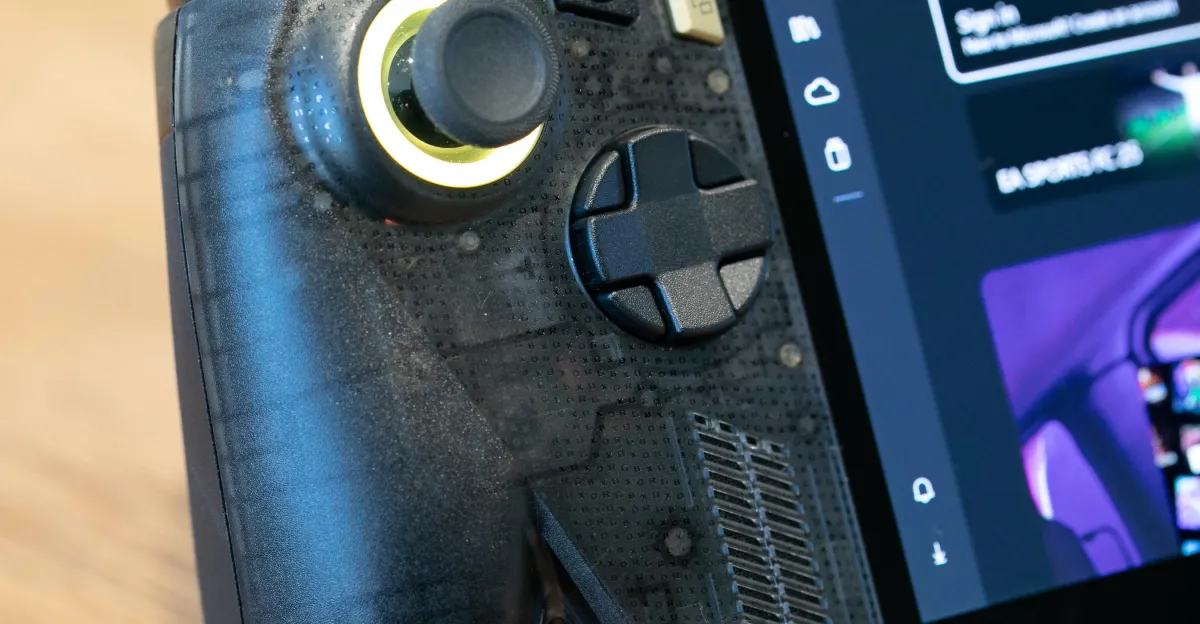
Asus has confirmed plans to release a standalone version of the OLED Xbox Ally X20 handheld, abandoning previous strategies that required bundling the device with augmented reality glasses. Spokesperson Anthony Spence told The Verge that the company is actively discussing a release schedule for the standalone unit, with further announcements expected in due course. This strategic shift follows positive feedback from preview units, which highlighted significant improvements in display quality and user comfort.
The updated handheld is equipped with a 7.4-inch OLED screen featuring anti-glare cover glass and a peak brightness of 1,400 nits. During testing at Asus’s California offices, the display was noted for its clarity under harsh indoor lighting, outperforming the 500-nit panel on the MSI Claw 8 EX AI Plus and offering a sharper image than the Lenovo Legion Go 2. The device also introduces a new 30–120Hz variable refresh rate, a wider range than the 48–120Hz panels found on the Claw EX and the original Ally.
Ergonomic refinements are central to the X20’s design, including cushy rubberized grips and quieter cooling fans that reduce heat buildup during use. The controller layout features a new transformable D-pad with clicky dome switches, which can be rotated from eight-way to four-way configuration, and replaces the previous “Library” button with an “Action” button that defaults to taking screenshots. These changes aim to address user complaints regarding the comfort and functionality of earlier models.
In direct performance comparisons at 25 watts, the Ally X20 recorded lower frame rates than the Intel-based MSI Claw 8 EX AI Plus. Tests showed the Claw EX achieving 61 frames per second in Cyberpunk 2077 and 62fps in Returnal, compared to 44fps and 41fps respectively on the Ally X20. Both devices consumed approximately 36 watts, suggesting similar battery life of around two hours despite the performance disparity.
Asus emphasises that the Ally X20’s variable refresh rate and smoother driver stability offer key advantages over the Claw EX, which has experienced reported stuttering and graphical glitches in titles such as Clair Obscur: Expedition 33 and Star Wars Jedi: Survivor. While the standalone OLED Ally X20 is expected to carry a premium price tag, Asus positions it as a refined alternative for consumers prioritising display quality and software stability over raw benchmark scores.