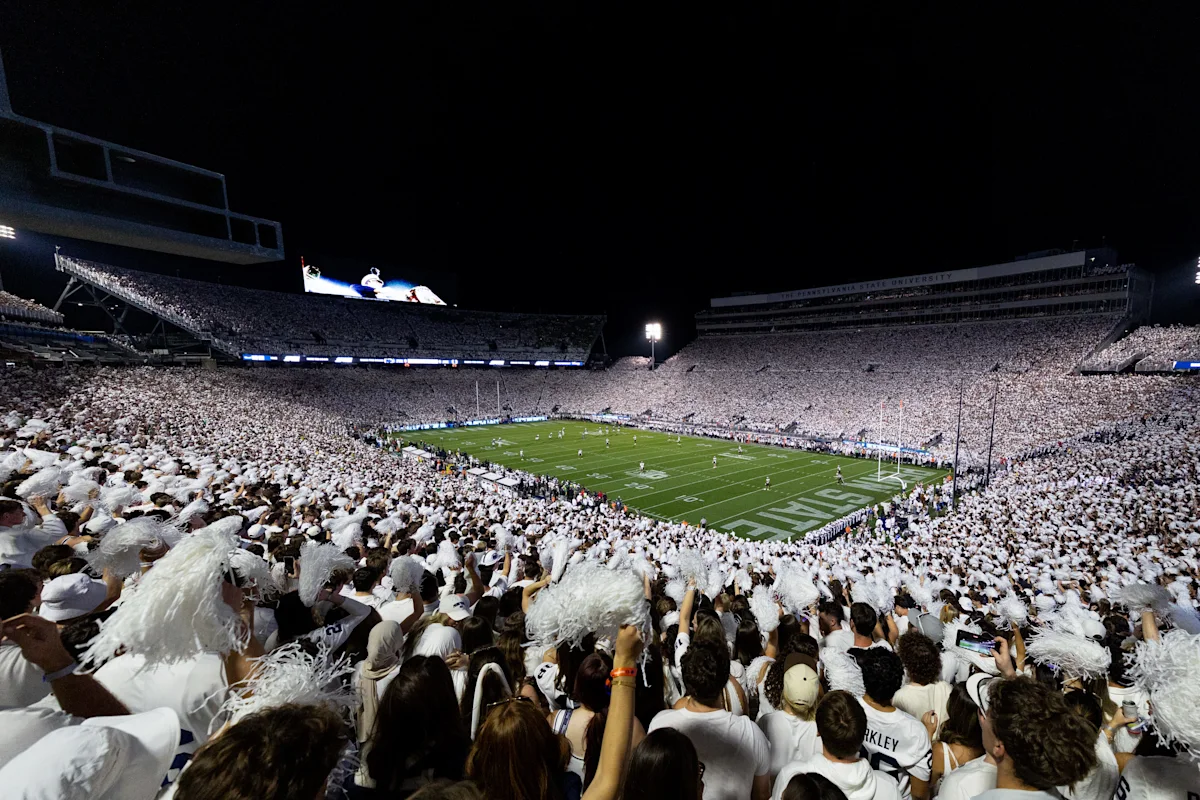
ASU defends 26-sport model amid NIL financial pressures
While non-revenue sports incur significant losses, the department argues that eliminating teams would not meaningfully subsidise football and basketball, maintaining a commitment to broad athletic access.
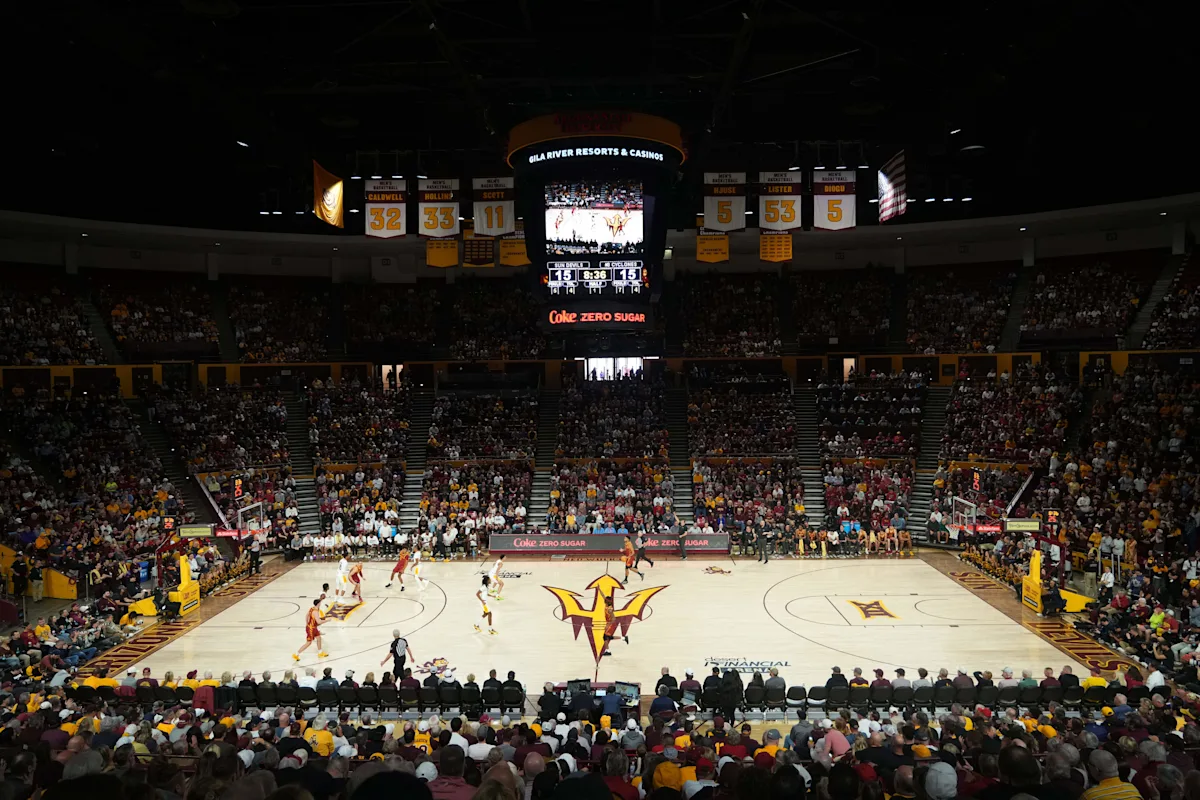
Arizona State University is maintaining one of the largest intercollegiate athletic departments in the United States, fielding 26 varsity sports teams. This scale places the Sun Devils at the top of the Big 12 conference and among the largest operations in the Power Four conferences, a strategy that athletic director Graham Rossini says aligns with the university’s charter to create access for all segments of the population.
Financial documents obtained via a freedom of information request by Cronkite News reveal the economic reality of this model. For the 2025 fiscal year, non-revenue sports excluding football and basketball generated a net negative of $18.5 million. However, the athletic department as a whole finished with a net profit of $1.424 million, driven primarily by revenue from the football program.
The department is currently navigating the implementation of the NCAA’s House vs. NCAA settlement. This includes a hard-capped $20.5 million revenue-sharing pool distributed to athletes across all sports and increased scholarship limits. Rossini noted that the department has added more than 200 scholarships to support athletes in non-revenue programs, alongside the active Sun Angel Collective which provides additional recruiting tools.
Rossini has firmly rejected proposals to cut sports to subsidise football and basketball. Internal research conducted by the department indicates that eliminating nearly 18 teams would be required to make a meaningful financial difference. Consequently, the administration maintains that the current structure of 26 sports is sustainable and that non-revenue programs do not significantly impact the revenue-generating teams.
Despite the financial complexities, the department has achieved competitive success. ASU won the Big 12’s first Commissioner’s Cup in the 2024-25 season, recognising excellence in sports such as swimming, volleyball, and softball. The university claimed five combined regular-season and tournament Big 12 championships, the most since the 2007-08 season, with notable performances from French Olympian swimmer Léon Marchand and pitcher Kenzie Brown.
However, the shift to the Name, Image, and Likeness era has created disparities. Wrestling coach Zeke Jones highlighted the difficulty in competing with schools like Iowa and Penn State that can secure top talent with large financial packages. The program has seen athletes transfer to schools with more lucrative opportunities, compounded by the closure of the Sunkist Wrestling Club.
Similarly, the men’s hockey team faced roster attrition, with star forward Cullen Potter transferring to Michigan State. The program’s move to the NCHC places it in a conference where hockey is the primary economic driver, creating challenges for long-time coach Greg Powers in garnering financial support outside of school resources.
Rossini remains confident that the 26-sport model is an advantage rather than an impediment. He emphasised that the department serves 600 athletes from 44 countries who choose ASU for its marketplace and coaching. The administration views all 26 sports as capture tools for the department, aiming to harmonise the business unit while delivering an incredible experience for student-athletes.