ASML CEO dismisses lithography rivals and confirms no EUV exports to China
Ahead of the Milken Institute Global Conference, the Dutch firm's leader addressed concerns over US-backed startups and export controls, stating the company has never shipped extreme ultraviolet machines to the region.
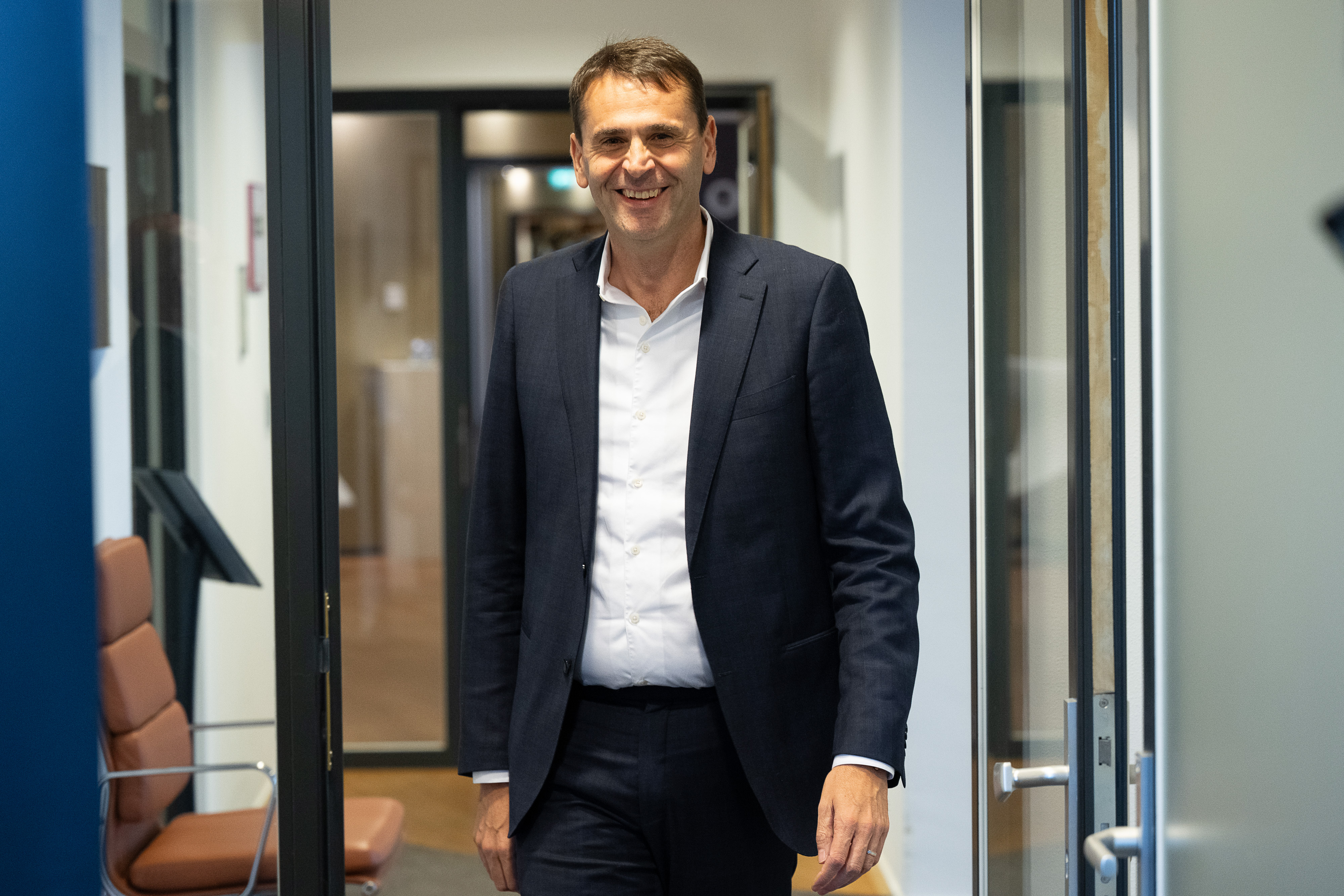
ASML CEO Christophe Fouquet has firmly dismissed immediate threats to the company's monopoly on extreme ultraviolet (EUV) lithography technology. Speaking ahead of the Milken Institute Global Conference, Fouquet stated that no entity is currently capable of replicating the Dutch firm's capabilities, citing the immense complexity and decades of development required to achieve high-volume, low-cost manufacturing at nanometer accuracy.
The conversation took place on the rooftop deck of a Beverly Hills hotel, where Fouquet addressed concerns from US tech rivals and a new startup called Substrate. While acknowledging the high demand for chips driven by the AI boom, the CEO asserted that the supply chain remains the primary bottleneck, noting that the market will likely remain supply-constrained for the next two to five years.
Fouquet characterised the current AI boom as a societal revolution that caught even seasoned industry leaders off guard. He argued that while the technology is essential, the path from concept to commercial reality involves solving one specific problem—generating EUV light—which took ASML 20 years to achieve after 30 years of initial research. He emphasised that wanting to have a machine and actually having it represents a huge difference, with the challenges of lithography requiring high quantity, low cost, and speed alongside precision.
Regarding specific competitors, Fouquet addressed claims from Substrate, a San Francisco startup backed by Peter Thiel, stating that replicating the technology from scratch presents enormous hurdles. He also acknowledged ASML's collaboration with xLight, a US-backed startup working on the light source component, noting that while the technology is unproven and the jury is still out, the company is working with them out of a sense of responsibility.
On the subject of export controls, Fouquet defended the current strategy, suggesting ASML should maintain a generation gap by shipping older tools to China rather than implementing a total ban. He pointed out that the company has never shipped EUV machines to China and maintains strict internal firewalls to prevent technology leakage, ensuring that no people in China are trained on the advanced technology.
Fouquet further clarified pricing dynamics regarding ASML's new high-NA EUV systems, asserting that while the machine costs significantly more, up to $400 million, it reduces the cost per wafer by 20–30% compared to low-NA systems. He concluded that the company's decades of lithography expertise and the collective effort of its suppliers serve as its best protection against shortcuts in the technology.
