Asia-Pacific equities retreat as Trump’s Iran ultimatum fuels oil supply fears
Investors in the region sold off assets on 18 May 2026 following renewed diplomatic pressure from the United States, raising concerns over potential disruptions to global energy flows through the Strait of Hormuz.
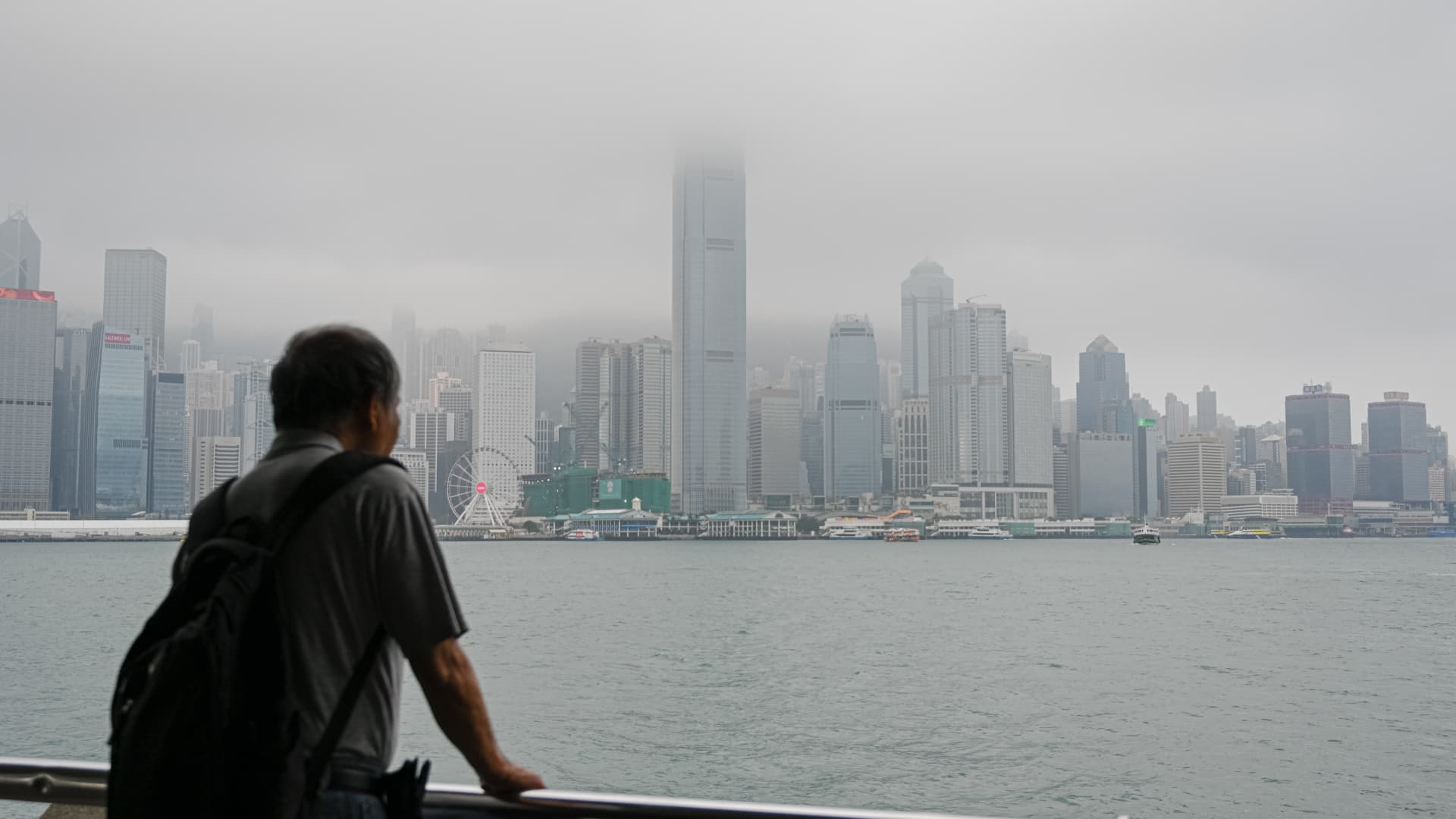
Asia-Pacific equity markets declined on 18 May 2026 as investors reacted to a sharp escalation in geopolitical tensions between the United States and Iran. The sell-off was triggered by a series of posts from US President Donald Trump, who urged Tehran to move quickly to meet American demands, sparking fresh fears regarding potential disruptions to global oil supplies.
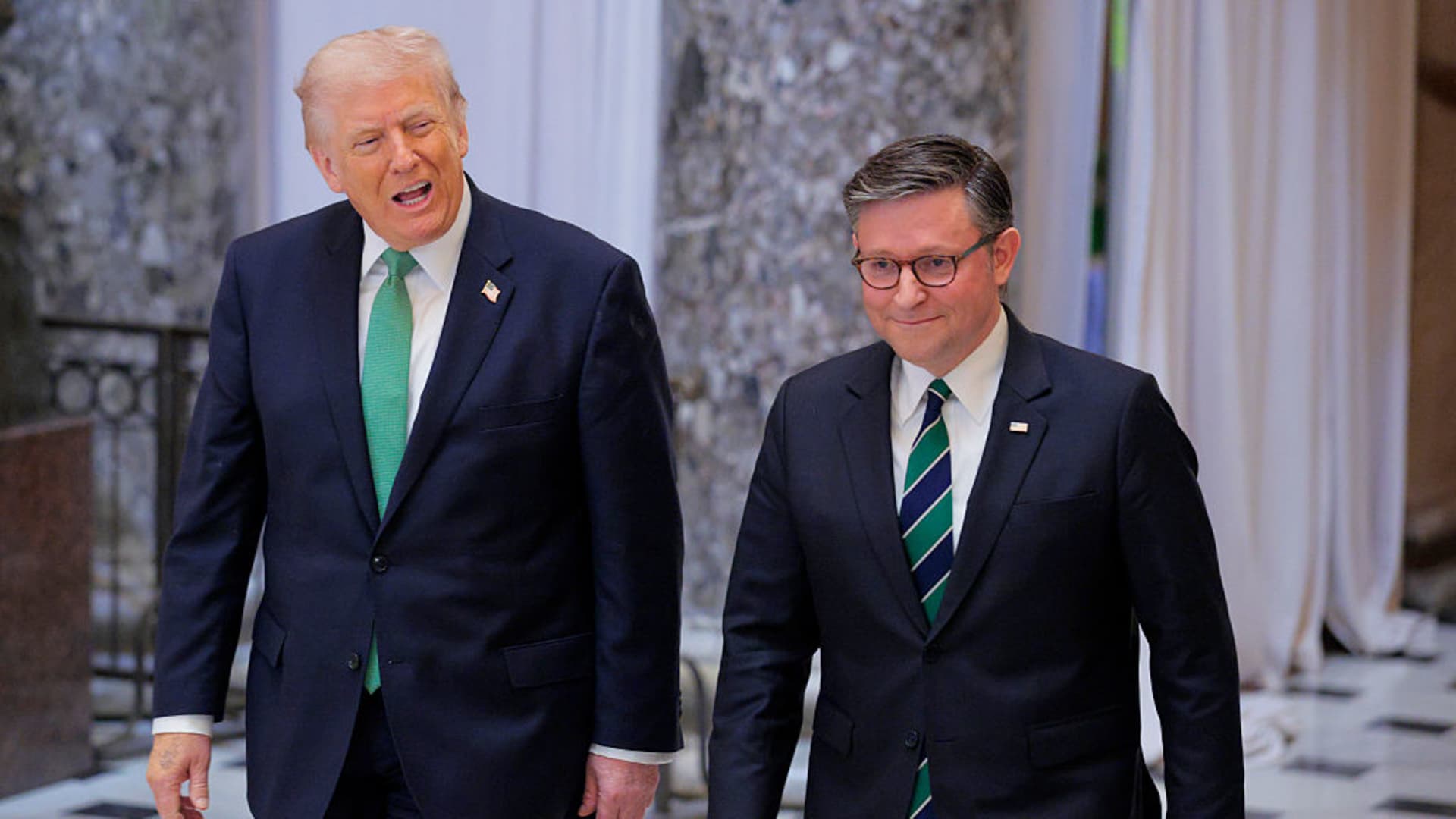
The market reaction followed a message posted by President Trump on his platform, Truth Social, on Sunday morning, 17 May 2026. In the post, the US president warned Iran to “get moving, FAST,” a statement that intensified pressure on Tehran as negotiations to end the ongoing conflict appeared to stall. By the following day, Trump had posted again, emphasising that the window for negotiation was closing rapidly and urging an immediate compromise.
The diplomatic friction has occurred against the backdrop of a conflict that began with joint US-Israeli military attacks on 28 February 2026. Ceasefire talks have been floundering, with Iranian media reporting on 18 May that negotiations had reached a deadlock. According to reports from the Tasnim news agency, Iran’s latest proposal includes an immediate end to hostilities, a halt to the US naval blockade of Iranian ports, guarantees against further attacks, compensation for war damage, and affirmation of Iranian sovereignty over the Strait of Hormuz.
The Strait of Hormuz is a critical chokepoint for global energy markets, serving as the primary transit route for approximately 20 per cent of the world’s oil and liquefied natural gas. Investors in the Asia-Pacific region, including those tracking major indices such as the Nikkei 225, Hang Seng Index, Kospi, and Nifty 50, are particularly sensitive to volatility in oil prices and instability in the Middle East, which can impact regional economic growth and corporate earnings.
The timing of the market decline coincides with heightened scrutiny of security protocols in the United States. Federal investigators have confirmed that a gunman who breached security at the White House Correspondents' Association dinner intended to assassinate President Trump and other top officials. While this event is separate from the diplomatic standoff, it has contributed to a broader atmosphere of uncertainty surrounding US political stability and foreign policy direction.
As of the close of trading on 18 May, the specific magnitude of the decline across individual Asia-Pacific indices was not quantified in available reports. However, the immediate market response underscores the sensitivity of global capital markets to developments in the Middle East, particularly where major energy infrastructure and trade routes are concerned.