Apple’s Screen Time overhaul draws scepticism amid regulatory pressure
Critics argue the tech giant’s new parental controls are insufficient, citing past bugs and the complexity of managing device usage for children.
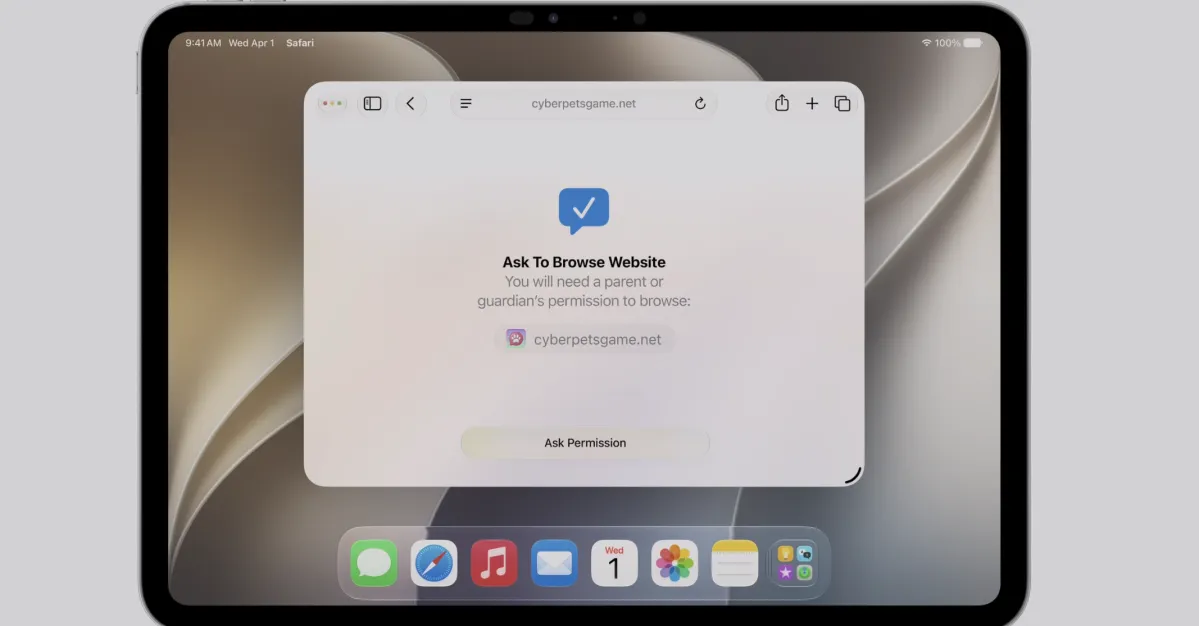
Apple dedicated a significant portion of its WWDC keynote to parental controls, unveiling updates for iOS 27 that include a redesigned interface and a new "Ask to Browse" functionality. The announcement arrives amidst heightened scrutiny of the technology sector’s role in child safety, following landmark social media trials against Meta and Google, as well as protests outside the company’s Cupertino headquarters. Despite the prominent placement in the keynote, the changes have been met with criticism from users and commentators who argue the updates are inadequate and arrive too late to address systemic failures.
The "Ask to Browse" feature requires children to request permission before accessing new websites, a measure designed to close a common loophole where users bypass app restrictions by accessing services like TikTok or Discord via web browsers. While this addresses a specific vector for circumvention, it does not resolve the broader issue of app redownloads. Users have long reported that children can reinstall applications previously downloaded on their own or a family member’s account without triggering a permission request, a problem highlighted during the so-called "Discord debacle."
Reliability remains a central point of contention. A 2024 report from The Wall Street Journal detailed a bug that allowed children to bypass content restrictions for years, underscoring deep-seated technical flaws. Current users describe the system as unreliable, noting that restrictions are easily circumvented and that the interface requires navigating multiple complex screens within Settings. Many parents have expressed frustration over the difficulty of locating parental control options, with searches for "parental controls" in the settings menu often yielding no direct results.
Apple has introduced "Time Allowances" with "expert" guidance on recommended usage per app or category, though the core functionality of setting time limits is not new. The redesign aims to improve usability, yet critics point out that managing these limits can feel like a full-time job. The granularity of categories, such as grouping YouTube, Spotify, and Netflix under "Entertainment," limits the ability to set distinct limits for different types of content, forcing parents to manage individual apps separately for more precise control.
The only significant addition to the feature set in recent years was an alert notifying parents when the Screen Time passcode is used, introduced last year. With the new iOS 27 updates, Apple is attempting to demonstrate responsibility in protecting children online. However, the consensus among frustrated users is that the company has underinvested in these tools for years, leaving parents to manage a system that is often inaccurate, difficult to configure, and easy for tech-savvy children to bypass.