Apple’s digital car keys expand beyond BMW as setup hurdles remain
With support now extending to Hyundai and Rivian models, users must navigate varying setup protocols and hardware constraints to utilise the Wallet app’s CarKey API
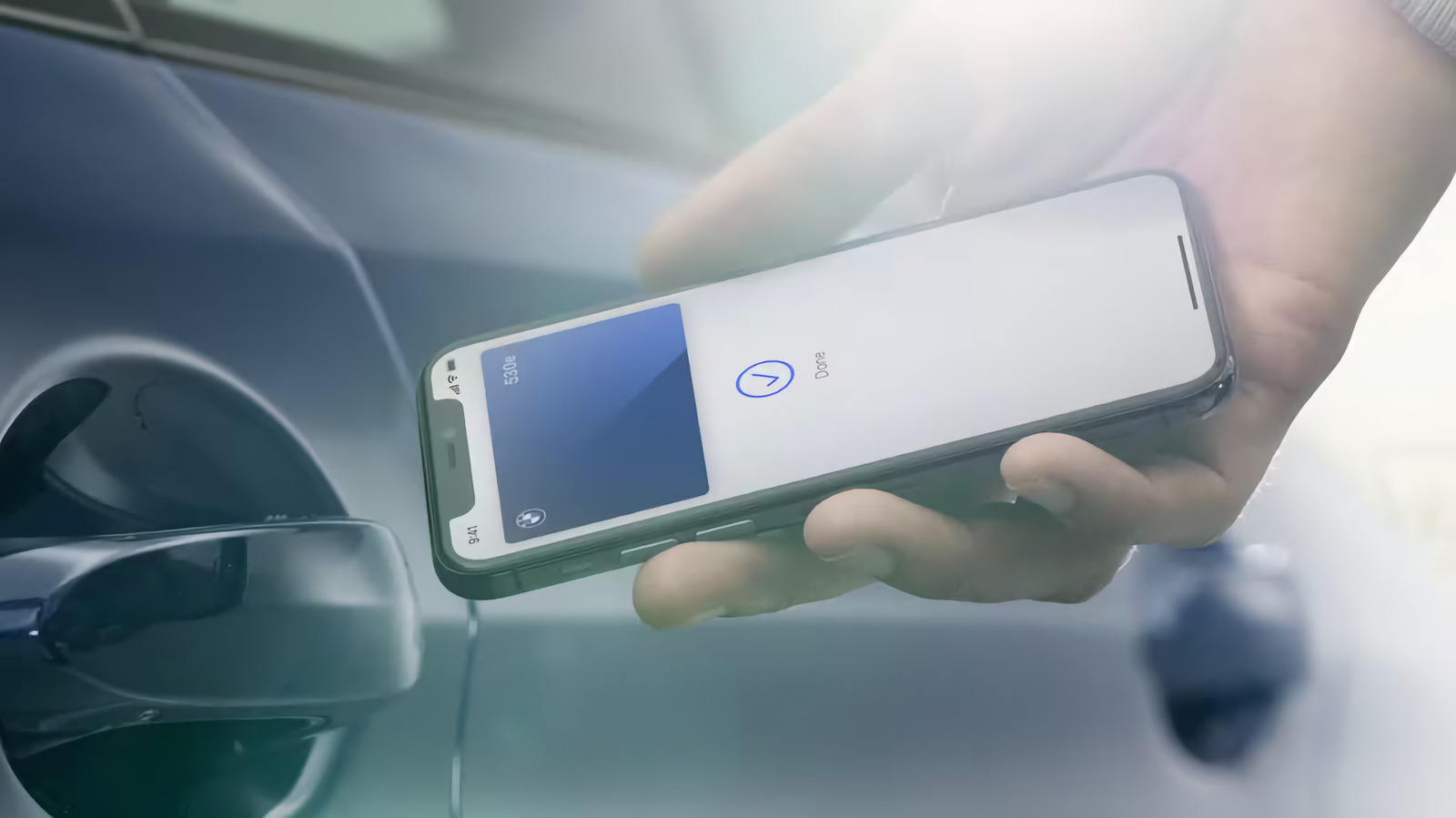
Apple’s digital car key feature, accessible via the Wallet app on iPhones running iOS 13 or later, has evolved significantly since its initial launch in 2020. Originally limited to the BMW 5 Series, the technology now supports a broader range of manufacturers, including Hyundai and Rivian. The feature allows users to lock, unlock, and start compatible vehicles using near-field communication (NFC), Bluetooth, or ultra-wideband technology, mirroring the functionality found on Android devices through the Car Connectivity Consortium’s Digital Key specification.
To utilise the service, users require an iPhone XS or later, or a second-generation iPhone SE or newer, due to the hardware necessity of NFC and U1 chips. Specific models currently supported include the Hyundai Tucson, Ioniq 5, Ioniq 6, and Rivian’s R1T and R1S. While Apple does not maintain a public list of vehicles compatible with digital keys, it directs customers to contact manufacturers directly or consult the CarPlay compatibility list as a guide to confirm support.
The integration process relies on the CarKey API, which enables cryptographic storage of the digital key on the device. Security protocols require identity authentication via Face ID or Touch ID, particularly when sharing keys. When pairing, the system uses NFC for tap-to-style unlocking and Bluetooth or the U1 chip for passive entry based on location detection. Once paired, users can manage access through the Wallet app, with options to share keys via a one-time activation code for added security.
Setup methods vary considerably by manufacturer and may require physical proximity to the vehicle. In some instances, users must touch their phone to a key reader during the initial pairing process. Apple has not clarified whether specific car models or features dictate whether setup can be completed remotely or necessitates being next to the vehicle. The initiation of the process may involve receiving an email or text from the car maker, or using the manufacturer’s app to create an account and associate it with the vehicle before transferring the key to the Wallet app.
Advanced features include Express Mode, which allows for passive unlocking without waking the phone, and automatic key disabling if the device is marked as lost in the Find My app. Notably, keys with Express Mode enabled remain usable for up to five hours after the iPhone battery dies. Despite these capabilities, Apple advises users to keep a physical copy of their keys as a backup to mitigate potential technical failures or power depletion.
