Apple’s App Store enforcement: Telegram removed over CSAM while X remains amid deepfake controversies
A brief removal of Telegram for child safety violations contrasts sharply with the retention of Elon Musk’s X despite widespread reports of AI-generated deepfakes, raising questions about political influence in content moderation.
Apple temporarily removed Telegram from the App Store for approximately one hour following the detection of child sexual abuse material (CSAM), reinstating the application once the illegal content was deleted. This enforcement action, which mirrors a similar brief removal in 2018, has intensified scrutiny regarding the consistency of the company’s content moderation policies, particularly when contrasted with its handling of X, the platform owned by Elon Musk.
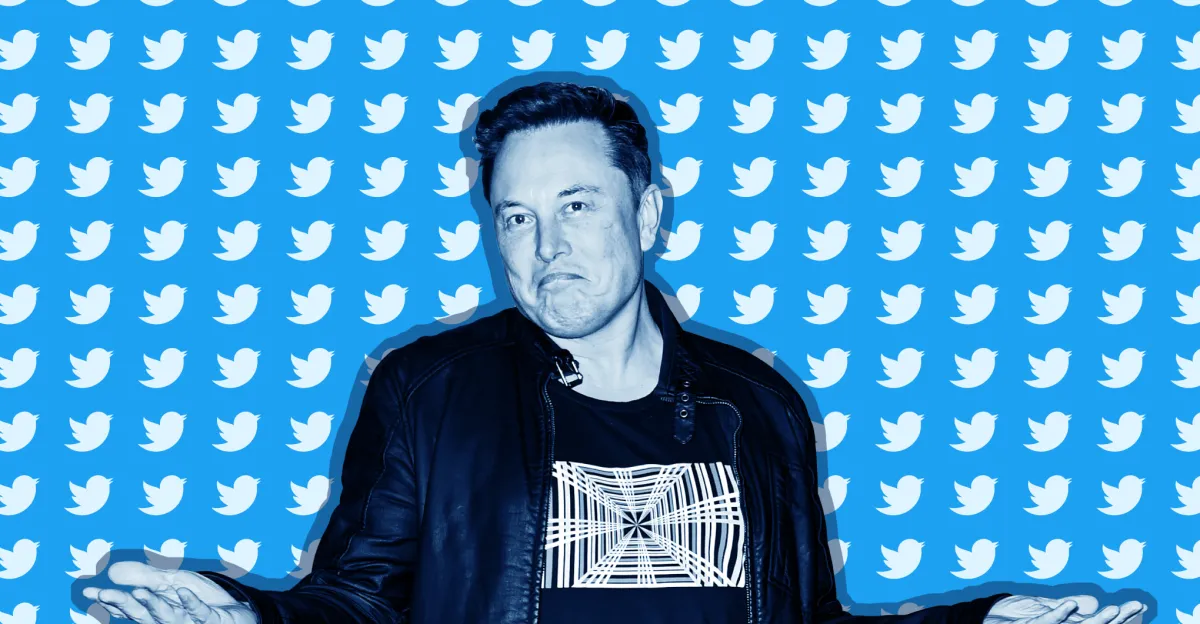
While Telegram was pulled due to a specific instance of prohibited material, X remained available on the App Store despite a significant proliferation of nonconsensual AI-generated deepfakes on the platform. These included undressed images of minors created using the Grok chatbot, sparking global condemnation, legal challenges, and calls from advocacy groups for the app’s removal from major digital stores.
Georgetown law professor Anupam Chander suggests the disparity in enforcement is driven more by political considerations than technical necessity. Chander noted that X possesses a substantially stronger base of political support in the United States compared to Telegram, meaning that removing X would likely trigger a severe political backlash against Apple that would not occur with Telegram.
Rather than issuing an immediate ban on X, Apple engaged in behind-the-scenes discussions with the company’s developers. The tech giant requested a formal plan to improve content moderation and warned the Grok team that further changes were required to avoid removal. Although Apple stated that X had substantially resolved its violations, it maintained pressure on the developers to implement stricter controls without resorting to a public takedown.
The divergent approaches highlight the complex interplay between corporate policy and political reality. In 2022, a dispute between Apple and Musk over Twitter restrictions was resolved after Apple CEO Tim Cook provided Musk with a tour of the company’s campus. Meanwhile, Telegram’s CEO Pavel Durov has faced legal challenges in France and Russia, prompting the platform to tighten its own moderation policies and comply with court orders, yet Apple’s recent actions suggest its enforcement rules may possess significant flexibility when dealing with high-profile political figures.
